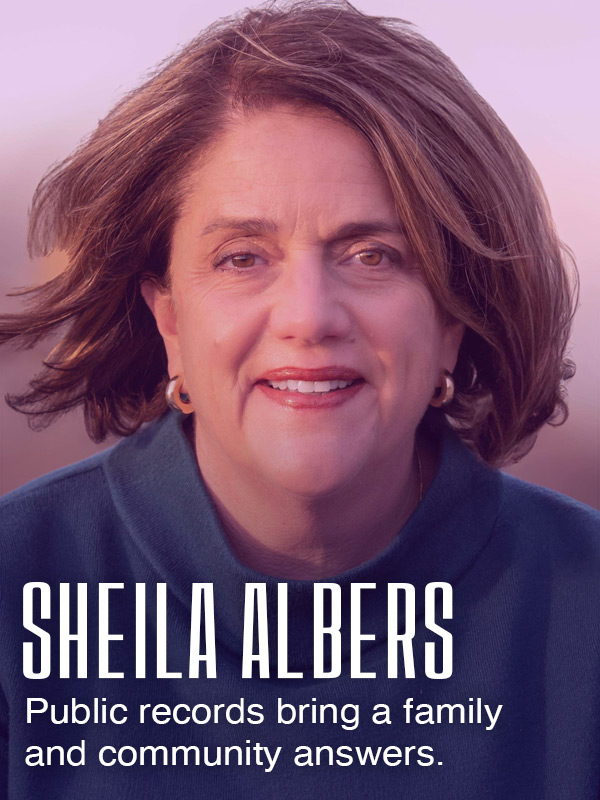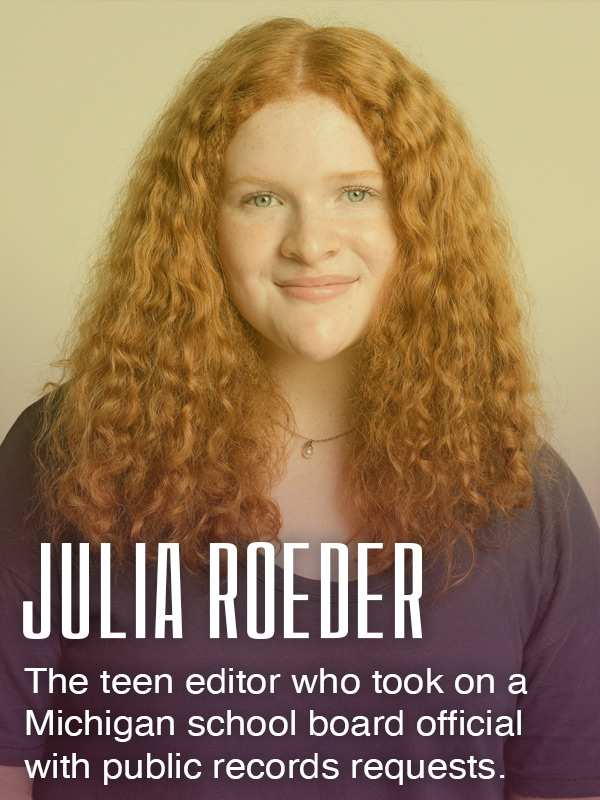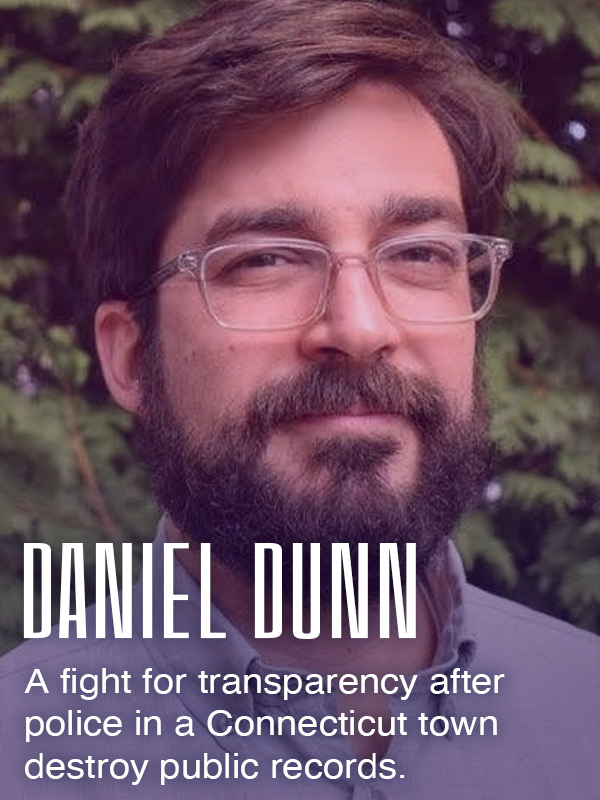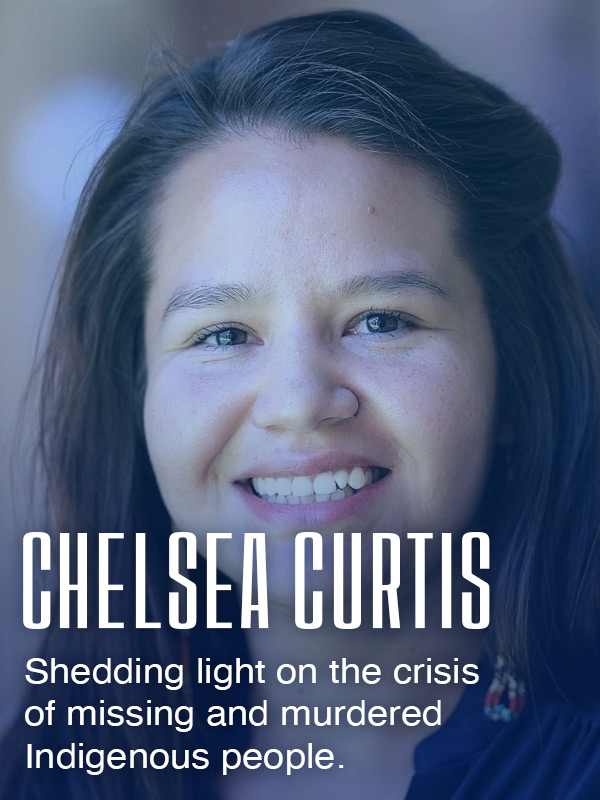
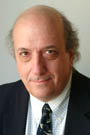
Tony Mauro is Supreme Court correspondent for National Law Journal, ALM Media, and law.com. He has covered the Supreme Court since 1979, first for Gannett News Service and USA Today and then, since January 2000, for Legal Times, which merged with its sibling publication the National Law Journal in 2009. Mauro is also a legal correspondent for the First Amendment Center.
Mauro received a bachelor’s degree in political science from Rutgers University, and a master’s degree from the Columbia University Graduate School of Journalism.
In March 2001 and November 2005, Washingtonian magazine included Mauro on its list of the top 50 journalists in Washington. He is the author of Illustrated Great Decisions of the Supreme Court, published in its second edition in December 2005 by Congressional Quarterly Press. He also has written several law review articles and contributed chapters to several books. The most recent is A Good Quarrel: America’s Top Legal Reporters Share Stories from Inside the Supreme Court, published in April 2009 by the University of Michigan Press.
During his more than 30 years of covering the Supreme Court, Mauro has been an active and devoted advocate for freedom of the press and freedom of information. He has written numerous stories, op-ed columns, journal articles and book chapters aimed at promoting camera and broadcast access to the courts. He also has spoken out in favor of shield laws and other protections for the public right to know.
Mauro has long encouraged fellow journalists to support openness and freedom of the press. If journalists don’t press the case for access and press freedom, he says, no one else will. In 1990, columnist Nat Hentoff wrote, “Of all Supreme Court reporters, Tony Mauro has been the most determined to persuade the justices to let television cameras in for oral arguments.” Hentoff reiterated his praise in a column 20 years later.
Mauro is past chair of the Reporters Committee for Freedom of the Press, and has served on its steering committee since 1982. He was Freedom of Information chair of the Society of Professional Journalists in the 1980s and edited its annual FOI report, which then was a stand-alone publication. He received the society’s First Amendment Award in 1986. Mauro also serves on the advisory board of the World Press Freedom Committee, and is a former chair of the Freedom of Information committee of the National Press Club. He is also on the advisory board for Georgetown University Law Center’s Master of Studies in Law program for journalists.
Class of 2006
- Andrew Alexander
- Gary Bass
- Thomas S. Blanton
- Danielle Brian
- David Burnham
- Hodding Carter III
- Tom Curley
- Tom Devine
- Kevin Goldberg
- Morton H. Halperin
- Charles W. Hinkle
- Kathleen A. Kirby
- Susan B. Long
- Robert D. Lystad
- John E. Pike
- Ronald L. Plesser
- Russ Roberts
- A. Bryan Siebert
- David Sobel
- Thomas M. Susman
- Mark Tapscott
Class of 1996
- Samuel J. Archibald
- Scott Armstrong
- U.S. Sen. Hank Brown
- Harold L. Cross
- Lucy A. Dalglish
- Earl English
- U.S. Rep. Dante Fascell
- Paul Fisher
- William H. Hornby
- Jane E. Kirtley
- Jack C. Landau
- U.S. Sen. Patrick J. Leahy
- U.S. Sen. Edward Long
- Paul K. McMasters
- U.S. Rep. John E. Moss
- J. Edward Murray
- Virgil M. Newton Jr.
- Jean H. Otto
- James S. Pope
- Harold C. Relyea
- Richard M. Schmidt Jr.
- Sheryl L. Walter
- Bruce W. Sanford
- J. Russell Wiggins