National FOIA Hall of Fame
A salute to those who have pursued the people’s right to know.
2026 Hall of Fame class announced
The National FOIA Hall of Fame honors the Class of 2026 for their outstanding contributions to advancing the U.S. Freedom of Information Act. See their remarks in the video below, and read the announcement here.
The right to know about the actions of government is an important part of America’s democratic heritage. The right was established on July 4, 1966, when President Johnson signed the Freedom of Information Act. In 1974, FOIA was strengthened with the passage of key amendments. As a result, transparency has reduced corruption, lowered taxes, and saved lives.
A coalition of media organizations joined in 1996 to commemorate the 30th anniversary of FOIA, led by Freedom Forum’s First Amendment Center and the Society of Professional Journalists. The Hall of Fame has recognized key individuals who have demonstrated strong leadership in improving FOIA. In 2025, the Hall of Fame was transferred to the Joseph L. Brechner Freedom of Information Project at the University of Florida, which coordinates national Sunshine Week. The Hall of Fame complements the Heroes of the States: The State Open Government Hall of Fame, coordinated by the National Freedom of Information Coalition and Society of Professional Journalists to recognize those at the state level advancing government transparency.
The individuals listed here are honored for their unique roles in helping to establish, defend and utilize the legal basis for the right to know. Following James Madison’s special tribute, they are listed in alphabetical order by class.
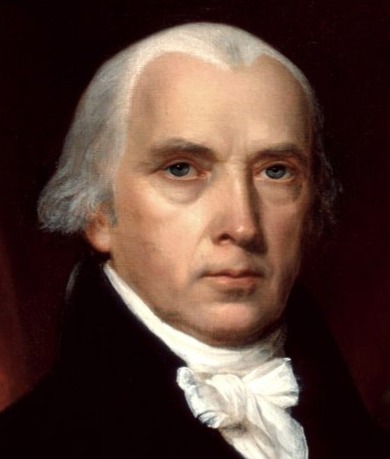
“A popular Government, without popular information, or the means of acquiring it, is but a Prologue to a Farce or a Tragedy; or, perhaps both. Knowledge will forever govern ignorance: And a people who mean to be their own Governors, must arm themselves with the power which knowledge gives.”
— James Madison, 1996 special recognition

“Democracy cannot exist if the government is not accountable to the public. FOIA provides the public with a mechanism to learn what government does in its name, as well as to benefit from the information collected and maintained at taxpayers’ expense.”
— Jane Kirtley, 1996 charter inductee

“The Freedom of Information Act was signed into law in 1966 by President Lyndon B. Johnson as a statutory and enforceable instrument to obtain access to government information in executive branch agency records. It remains 60 years later the most important ongoing accountability tool available to the public writ large. As we approach our Bicentennial we should celebrate this critical law and recommit ourselves to answerable government.”
— Patrice McDermott, 2001 inductee
“After over 50 years of laboring in the open-government vineyard at home and abroad, I remain convinced that the FOIA is perhaps the most important tool we have for empowering an informed electorate, combatting corruption, revealing government waste, promoting competition and innovation, and, in the end, protecting our democracy. The FOIA may be imperfect, but it is indispensable.”
— Tom Susman, 2006 inductee
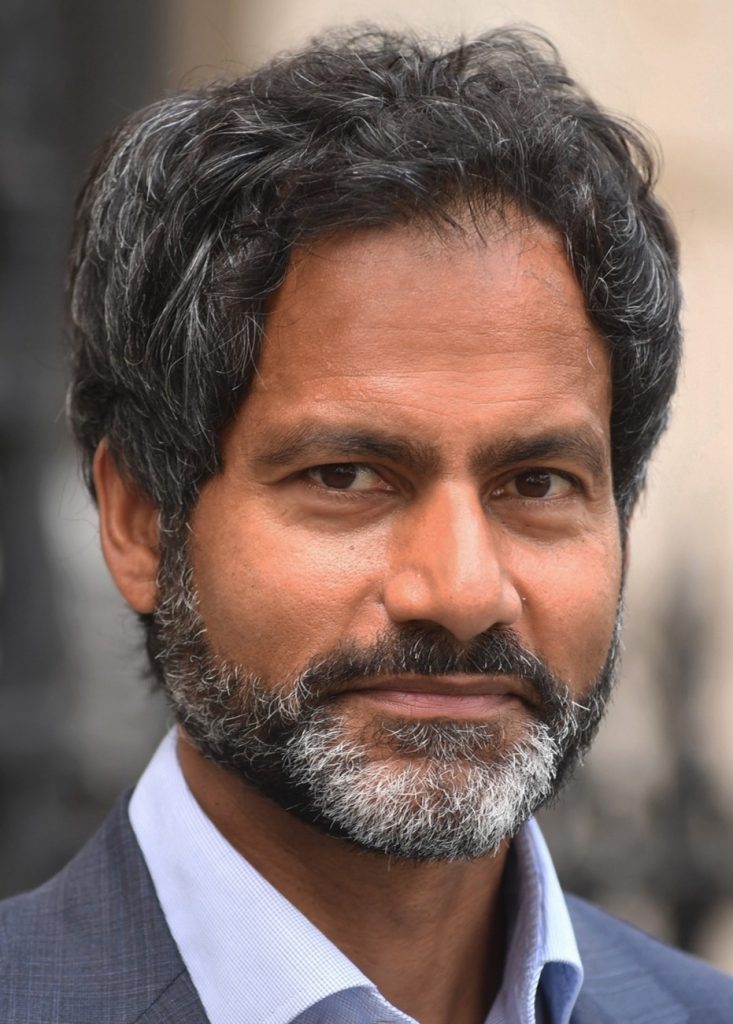
“For all of its defects and limitations, FOIA has been—and still is—an absolutely indispensable tool for journalists, human rights advocates, and ordinary citizens committed to making their government more transparent and more accountable.”
— Jameel Jaffer, 2016 inductee
Class of 2006
- Andrew Alexander
- Gary Bass
- Thomas S. Blanton
- Danielle Brian
- David Burnham
- Hodding Carter III
- Tom Curley
- Tom Devine
- Kevin Goldberg
- Morton H. Halperin
- Charles W. Hinkle
- Kathleen A. Kirby
- Susan B. Long
- Robert D. Lystad
- John E. Pike
- Ronald L. Plesser
- Russ Roberts
- A. Bryan Siebert
- David Sobel
- Thomas M. Susman
- Mark Tapscott
Class of 1996
- Samuel J. Archibald
- Scott Armstrong
- U.S. Sen. Hank Brown
- Harold L. Cross
- Lucy A. Dalglish
- Earl English
- U.S. Rep. Dante Fascell
- Paul Fisher
- William H. Hornby
- Jane E. Kirtley
- Jack C. Landau
- U.S. Sen. Patrick J. Leahy
- U.S. Sen. Edward Long
- Paul K. McMasters
- U.S. Rep. John E. Moss
- J. Edward Murray
- Virgil M. Newton Jr.
- Jean H. Otto
- James S. Pope
- Harold C. Relyea
- Richard M. Schmidt Jr.
- Sheryl L. Walter
- Bruce W. Sanford
- J. Russell Wiggins