Sunshine Fest 2026
March 15-17, 2026 • Washington, D.C.

Speakers
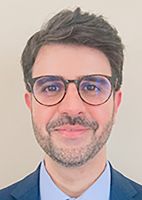
Ahmed Alrawi
Pennsylvania State University
Ahmed Alrawi is a Postdoctoral Fellow at the Karsh Institute of Democracy at the University of Virginia and a Lecturer at the Donald P. Bellisario College of Communications at The Pennsylvania State University. He earned his Ph.D. in Mass Communication from the Bellisario College, where he also completed his master’s degree in Media Studies and his bachelor’s degree in Telecommunications. In addition, he holds a bachelor’s degree in Computer Communication Engineering from the College of Communications at Al-Mansour University in Baghdad, Iraq. Alrawi’s research focuses on two interconnected areas: (1) AI, surveillance, privacy, and the implications of information and communication technologies (ICTs), and (2) broadband platform policy and deployment. His work examines the surveillance and privacy implications of AI and ICTs on individuals’ online communication activities. He also studies rural broadband policy issues in terms of accessibility, affordability, and network availability in double-desert areas in the United States and in global contexts, including the European Union and the Middle East. He is an associate editor of the open-access peer-reviewed Journal of Civic Information, published by the University of Florida Brechner Freedom of Information Project.
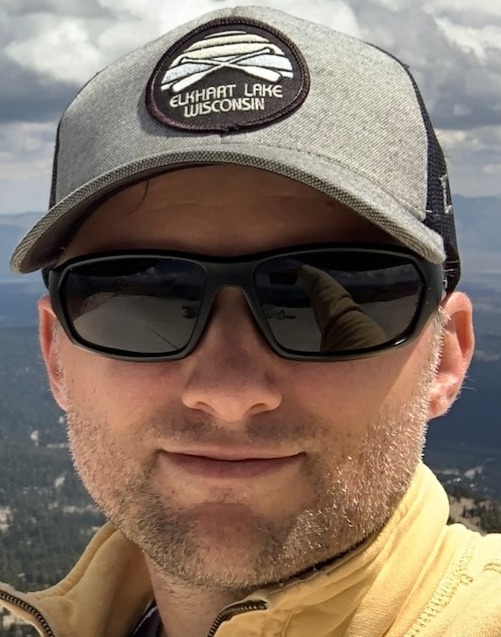
Chris Amico
MuckRock
MuckRock Senior Developer Chris Amico is a journalist and developer based in Boston. At MuckRock, he works to maintain the DocumentCloud platform. He was previously a senior developer in USA TODAY Network’s storytelling studio and the interactive editor for Frontline on PBS. He was a co-founder and lead developer of Homicide Watch DC. A long time ago, wrote for small newspapers in California and still sometimes tells stories about it. He can be reached at chris@muckrock.com.
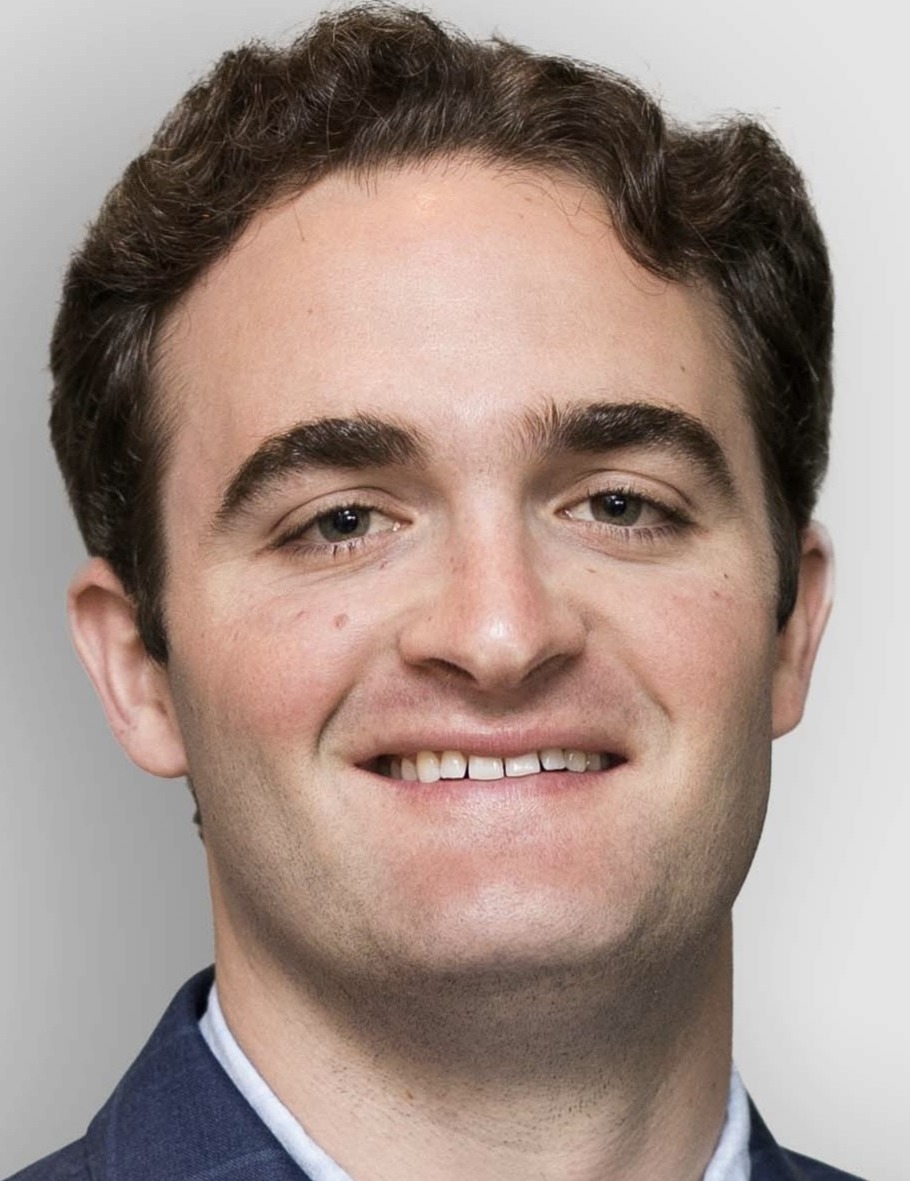
Aidan Berger
Patrick J. McGovern Foundation
Aidan Berger is a Strategic Capital Analyst at the Patrick J. McGovern Foundation, where he funds AI/ML solutions across education, healthcare, journalism, climate resilience, and crisis readiness. His work focuses on helping nonprofits and public benefit companies move from pilot to real-world adoption, with an emphasis on integrating technology into public systems and frontline service delivery. Prior to PJMF, Aidan worked in strategy consulting, advising technology and regulated-industry clients on go-to-market strategy.
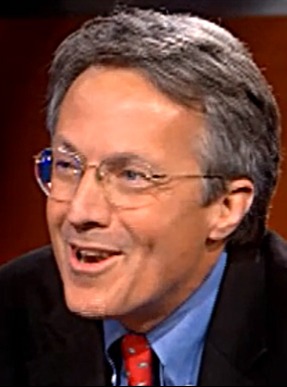
Tom Blanton
National Security Archive
Tom Blantonis the director since 1992 of the independent non-governmental National Security Archive at George Washington University (www.nsarchive.org). He won the 2004 Emmy Award for individual achievement in news and documentary research, and on behalf of the Archive received the George Polk Award in 2000 for “piercing self-serving veils of government secrecy.” His books have been awarded the 2011 Link-Kuehl Prize from the Society for Historians of American Foreign Relations, selection by Choice magazine as an “Outstanding Academic Title 2017,” and the American Library Association’s James Madison Award Citation in 1996, among other honors. The National Freedom of Information Act Hall of Fame elected him a member in 2006, and Tufts University presented him the Dr. Jean Mayer Global Citizenship Award in 2011 for “decades of demystifying and exposing the underworld of global diplomacy.” His articles have appeared in Diplomatic History, Foreign Policy, The New York Times, and the Washington Post, among many other journals; and he is series co-editor for the National Security Archive’s online and book publications of more than a million pages of declassified U.S. government documents obtained through the Archive’s more than 70,000 Freedom of Information Act requests.
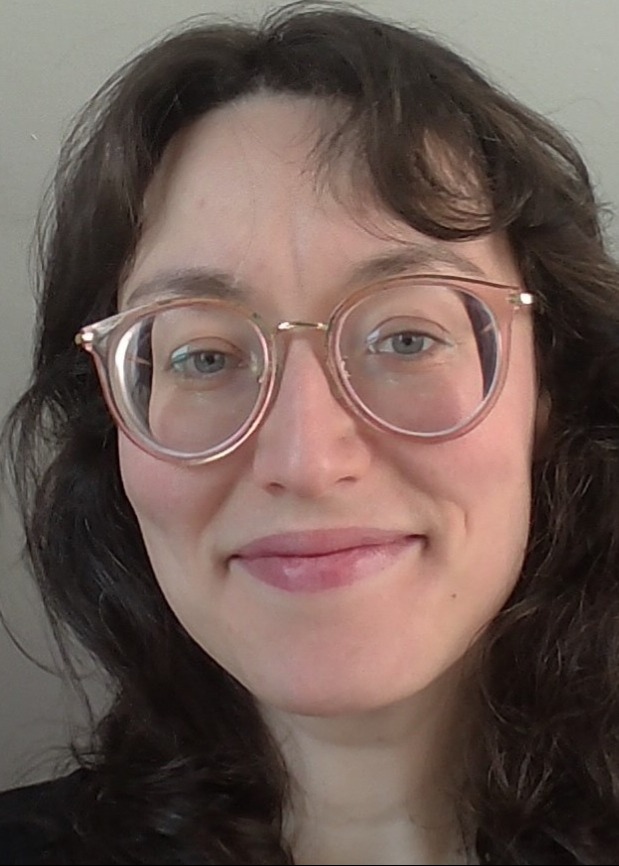
Stefana Breitwieser
Johns Hopkins University
Stefana Breitwieser is the Collections Archivist at the UCSF-JHU Opioid Industry Documents Archive (OIDA), a groundbreaking digital archive of opioid industry documents that advances understanding of the root causes of the U.S. opioid epidemic, promotes transparency and accountability, and informs and enables evidence-based research and investigation to protect and improve public health. OIDA collects, organizes, preserves, and provides free online access to millions of previously internal documents made public through legal settlements to enable multiple audiences to explore and investigate information which shines a light on the opioid crisis. Stefana’s work focuses on making the documents as discoverable as possible to users across a variety of technology comfort levels and research methodologies.
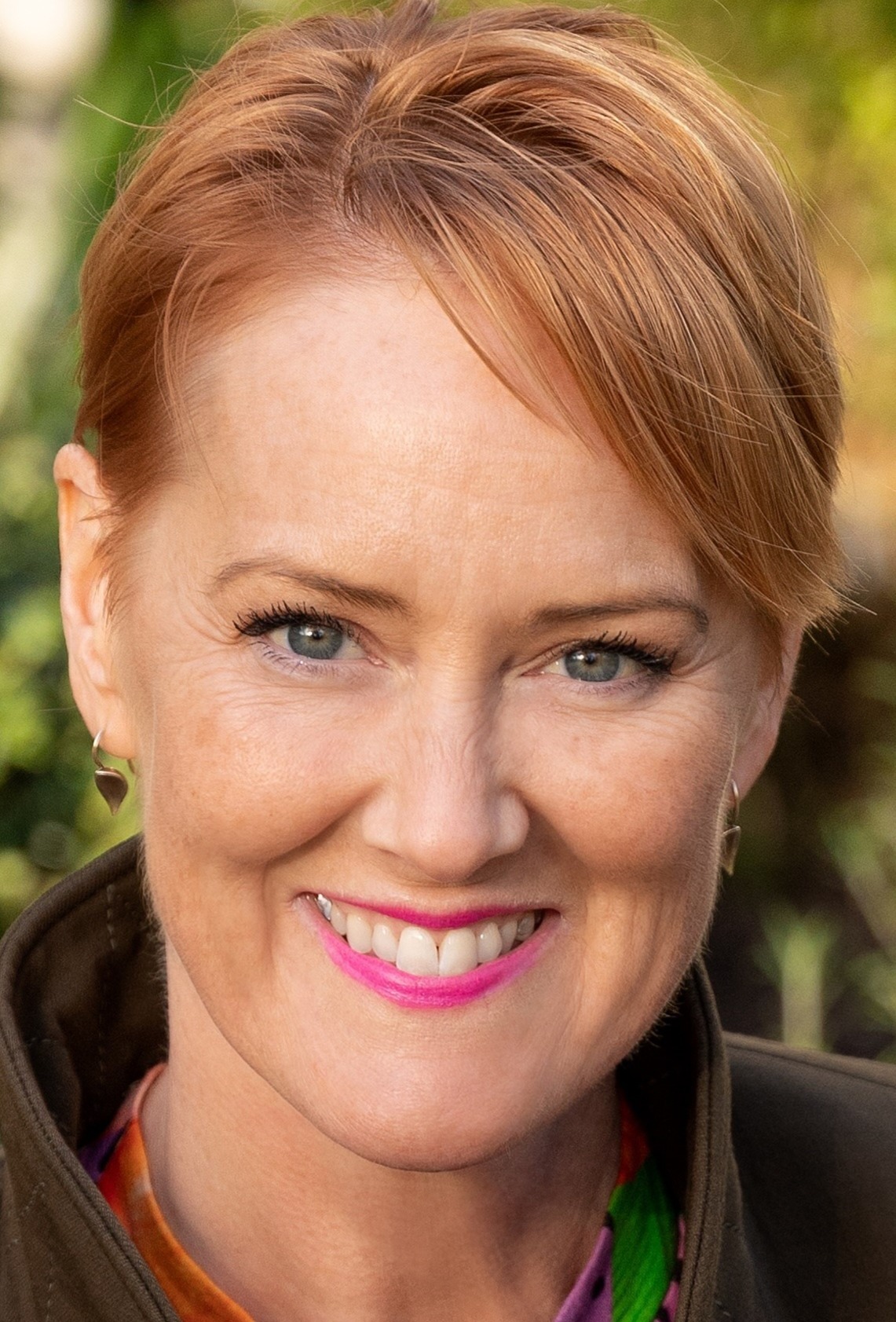
Heather Brooke
Freelance journalist (London, UK)
Heather Brooke is an award-winning investigative journalist originally from the U.S. now based in London. She began her career in Spokane, Washington, and Spartanburg, SC, as a legislative and crime reporter respectively. Years later, her investigative journalism and FOI legal action against the British Parliament led to the famous (in Britain!) parliamentary expenses scandal of 2009 and the biggest clear-out of politicians in decades alongside the first forced resignation of the Speaker of the House in 300 years. She also investigated hackers, industrial leaking and Wikileaks, reporting for The Guardian. She appeared in two films: On Expenses – a BBC dramatisation about her parliamentary investigation, and Alex Gibney’s documentary We Steal Secrets about hackers. She has published three non-fiction books: The Revolution Will be Digitised, The Silent State and Your Right to Know. She was director of the MA Investigative Journalism course at City, University of London where she was a Professor. She has also served as an Adjunct Professor at Columbia University in New York City teaching investigative journalism. Among her awards are the Judges’ Prize at the 2010 British Press Awards, the FOI Award from Investigative Reporters and Editors (IRE), and a Freedom of Expression Award from Index on Censorship. She was Co-Chair of the British Press Awards 2023 and has been a judge for both the British Press and British Journalism Awards for over a decade.
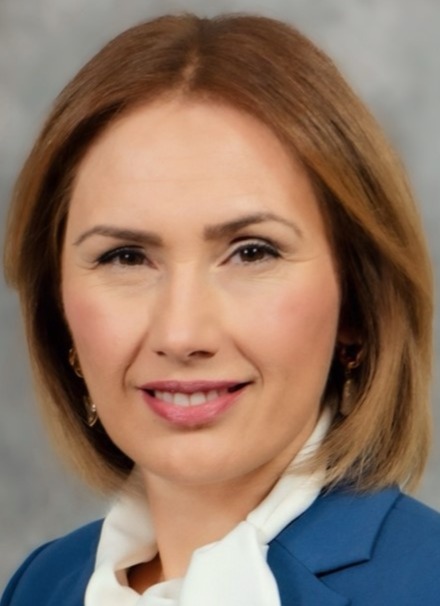
Lindita Camaj
University of Florida
Lindita Camaj is an Associate Professor at the University of Florida’s College of Journalism and Communications. Her work focuses on comparative analyses of Freedom of Information (FOI) laws, open government data policies, and public transparency infrastructures, exploring how these legal frameworks impact journalists’ access to information and reporting practices across diverse political contexts. Her research brings a global perspective to understanding how access to information laws and open government efforts support or hinder transparency, civic engagement, and accountable governance. She is the author or co-author on forty scholarly publications, and her scholarly work has been recognized nationally and internationally through multiple awards, fellowships and keynote speaking engagements. Before entering academia, she worked as a journalist for national and international media organizations in Southeast Europe. She also served as an advocate and member of a civil society working group that helped draft the Law on Access to Public Documents in post-war Kosovo, bringing practitioner and policy experience to her research on transparency and open government.
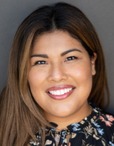
Miranda Carruth
MuckRock
Miranda Carruth is Customer Support Manager at MuckRock, where she guides MuckRock users though the process of submitting their public records requests, helping requesters get unstuck and collaborating with agencies to get requests fulfilled. She’s actively invoiced in helping improve the tools and guidance that MuckRock offers to our users. She also helped facilitate expanding MuckRock’s jurisdictions to include Puerto Rico.
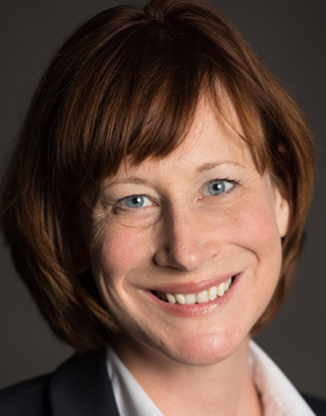
Ann Searight Christiano
University of Florida Center for Public Interest Communications
Ann Searight Christiano is the founder and Director of the Center for Public Interest Communications. Before coming to the University of Florida in 2010, Searight was a senior communications officer for the Robert Wood Johnson Foundation, directing efforts for programs that address social actors like housing, education and mental health that drive health and wellbeing. As a faculty member, she was named University of Florida Teacher of the Year in 2019 and Junior Faculty International Educator of the Year in 2019. Her writing has appeared in publications such as Barron’s, the Stanford Social Innovation Review, Scientific American and The Conversation. Her work through the Center includes partnerships with the United Nations High Commissioner on Refugees, the U.S. Department of State, and several agencies who work in this domain. She has worked with several federal and state agencies, the Gates Foundation, the International Labor Organization, and nonprofits and foundations throughout the world. She is co-author with Angela Bradbery on the first-ever textbook for the emerging discipline of public interest communications, “Strategy for Changemakers.”
Erin K. Coyle
Arizona State University
Erin K. Coyle is an associate professor of media law and the First Amendment in the Cronkite School of Journalism and Mass Communication and an affiliate faculty member of the Sandra Day O’Connor College of Law at Arizona State University. Her research focuses on free expression, access, and privacy rights. She worked as a journalist before earning a doctoral degree in mass communication from the University of North Carolina at Chapel Hill. She served on the First Amendment Law Review while completing courses in the UNC School of Journalism and Mass Communication and the UNC School of Law.
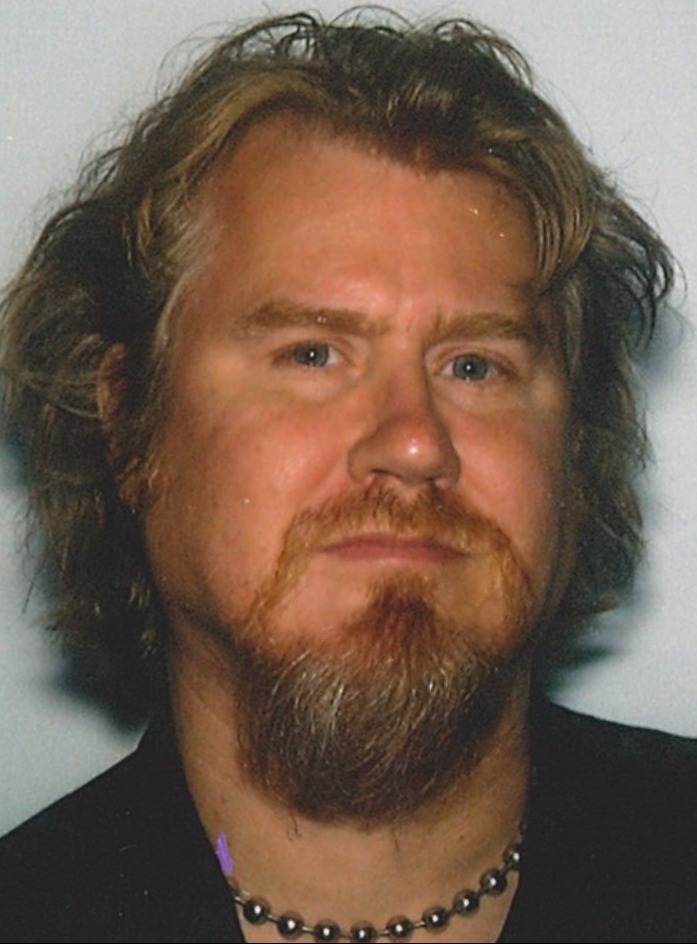
Benjamin W. Cramer
Penn State University
Benjamin W. Cramer is a Teaching Professor at the Bellisario College of Communications at Penn State University, and is an affiliate of the Institute for Information Policy. He has taught courses in telecom law, media law, and environmental policy at Penn State and Central European University (Budapest, Hungary) and his research on those topics has been published in Telecommunications Policy, Communication Law & Policy, International Journal of Communication, and Journal of Civic Information. He was the original Managing Editor of Journal of Information Policy and is the author of the book Freedom of Environmental Information. He received a PhD in mass communications from Penn State in 2009.
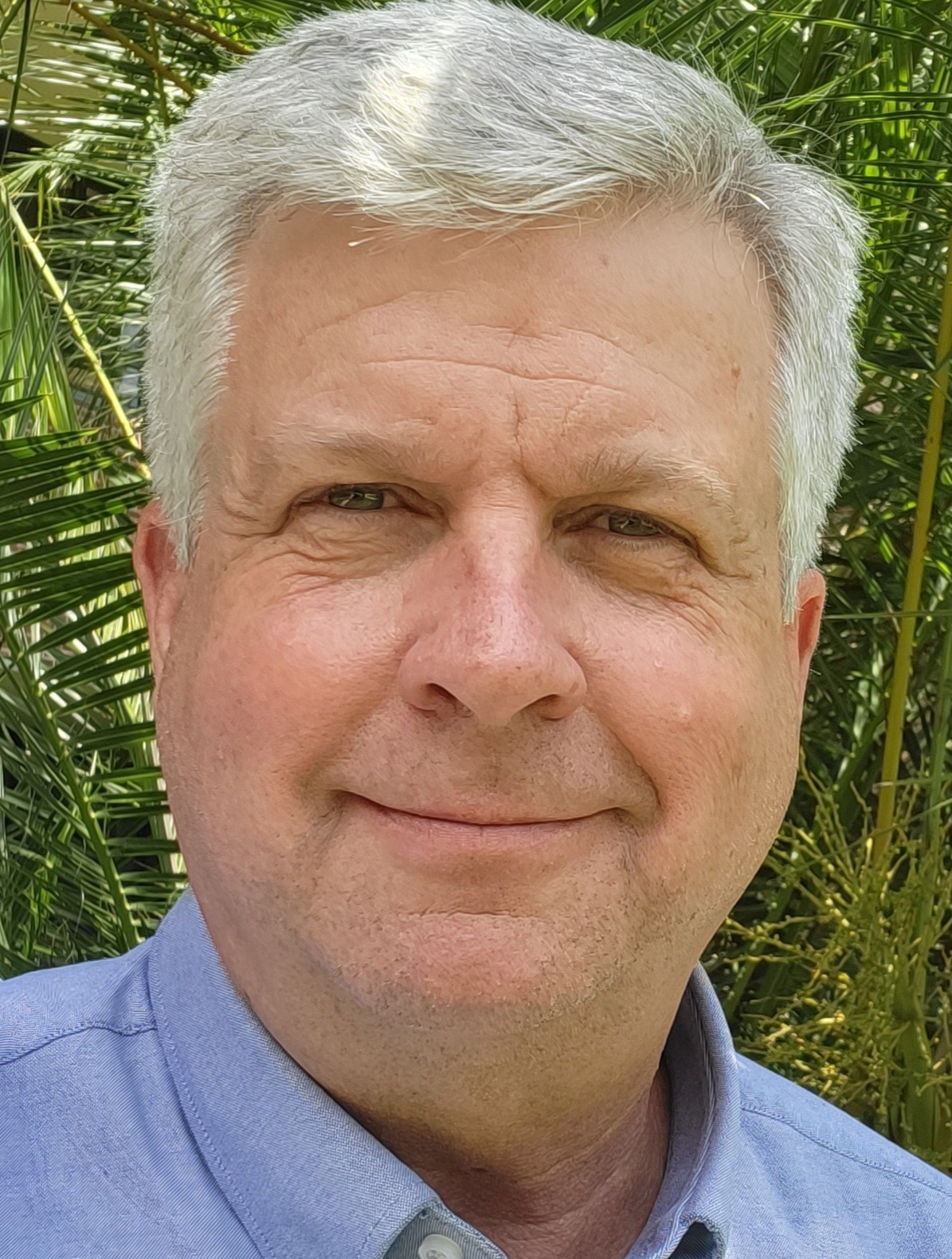
David Cuillier
University of Florida Brechner Freedom of Information Project
David Cuillier is director of the Joseph L. Brechner Freedom of Information Project at the University of Florida College of Journalism and Communications, a nonpartisan center that has provided research and education in FOI since 1977. He joined the FOI Project in 2023 after teaching and researching access to government information at the University of Arizona for 17 years. He was a newspaper reporter and editor in the Pacific Northwest before earning his doctorate in 2006 at Washington State University. He is former president of the National Freedom of Information Coalition and Society of Professional Journalists. He has testified three times before Congress regarding FOIA and is serving his third term on the FOIA Advisory Committee under the National Archives and Records Administration. He is co-author with Charles N. Davis of “The Art of Access: Strategies for Acquiring Public Records” and “Transparency 2.0: Digital Data and Privacy in a Wired World.” He is founding editor of the peer-reviewed open-access Journal of Civic Information, has published dozens of research studies in peer-reviewed journals, and in the past 20 years has trained more than 15,000 journalists and citizens in how to acquire public records. He lives in Gainesville, Florida.
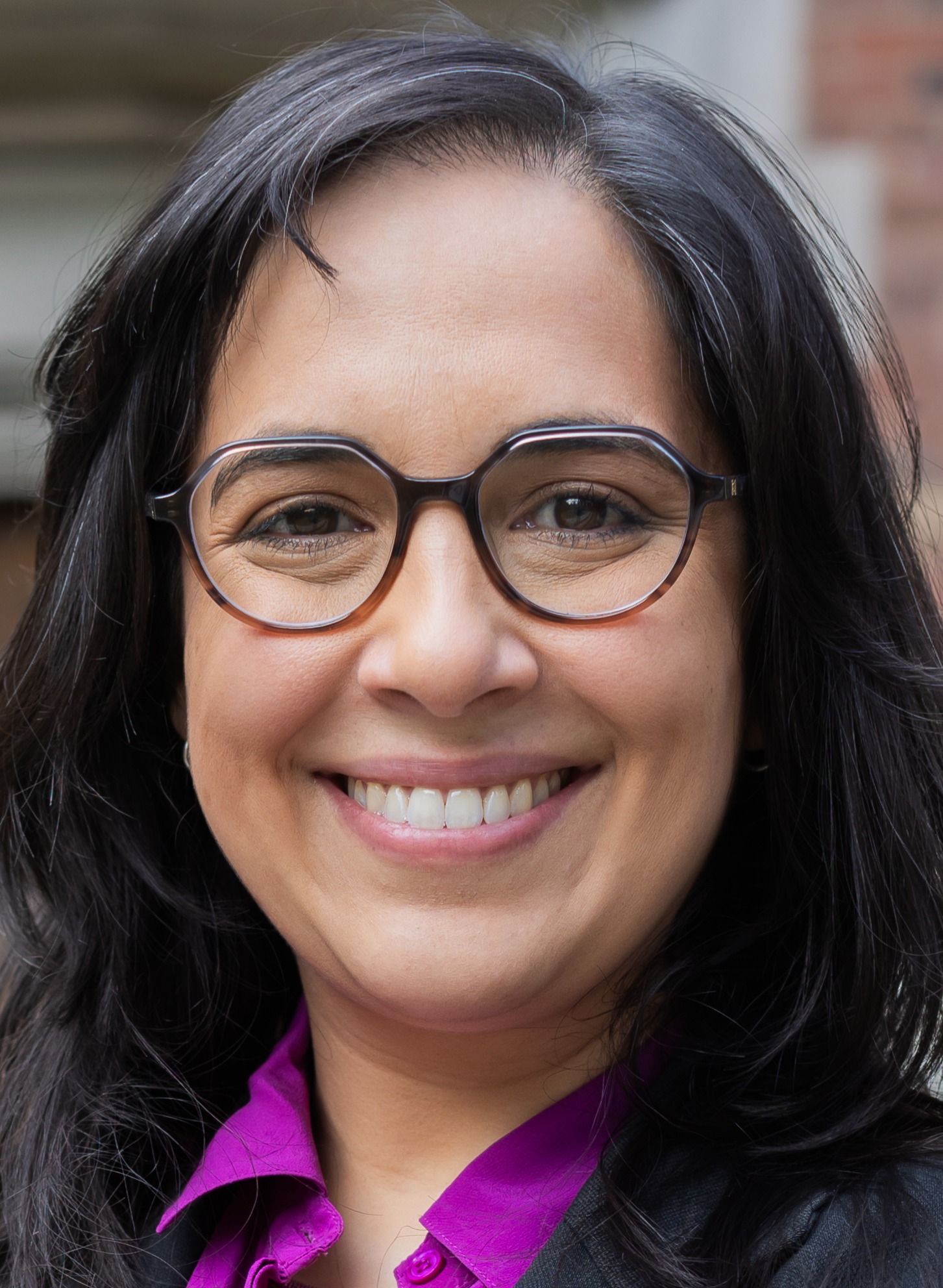
Andrea DenHoed
Yale University
Andrea DenHoed is a third-year student at Yale Law School, where she is a Student Director for the Media Freedom and Information Access Clinic. In the clinic, she has litigated a FOIA pattern-or-practice case against the State Department and has worked on First Amendment and privacy issues. Before law school, Andrea spent several years as an editor, first at The New Yorker magazine and then at NonDoc, a nonprofit newsroom in Oklahoma. During law school, she interned at Federman Sherwood and the ACLU State Supreme Court Initiative. Her main areas of interest are First Amendment law and federal Indian law.
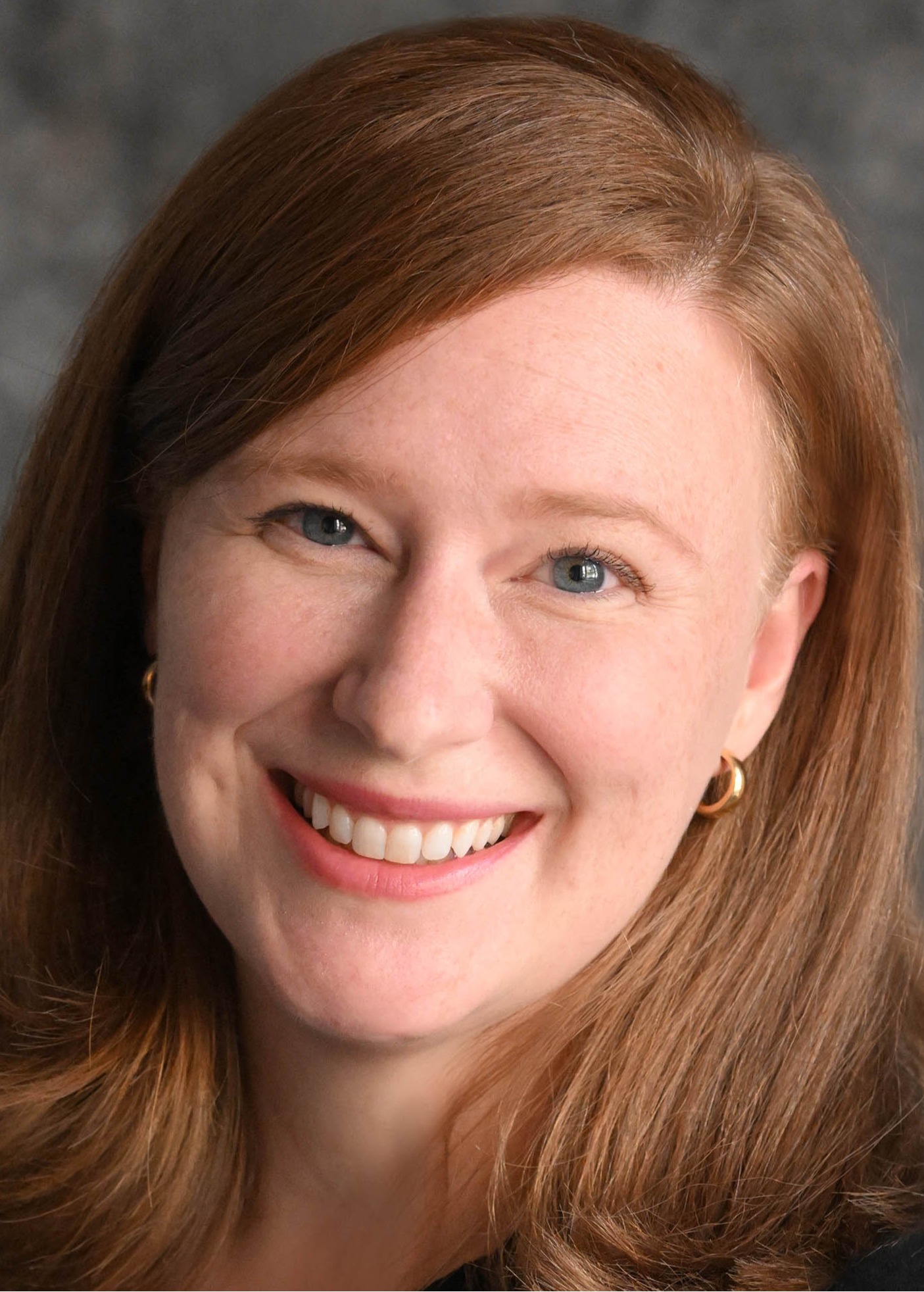
Anna Diakun
Knight First Amendment Institute at Columbia University
Anna Diakun is a senior staff attorney and the managing attorney of the fellowship program at the Knight First Amendment Institute at Columbia University. Her litigation focuses on transparency, U.S. sanctions regimes, and government surveillance of speech. Prior to joining the Institute, she was a fellow with the National Security Project at the American Civil Liberties Union, where she worked on issues related to the government’s use of lethal force abroad, military detention, surveillance, and discrimination against racial and religious minorities.
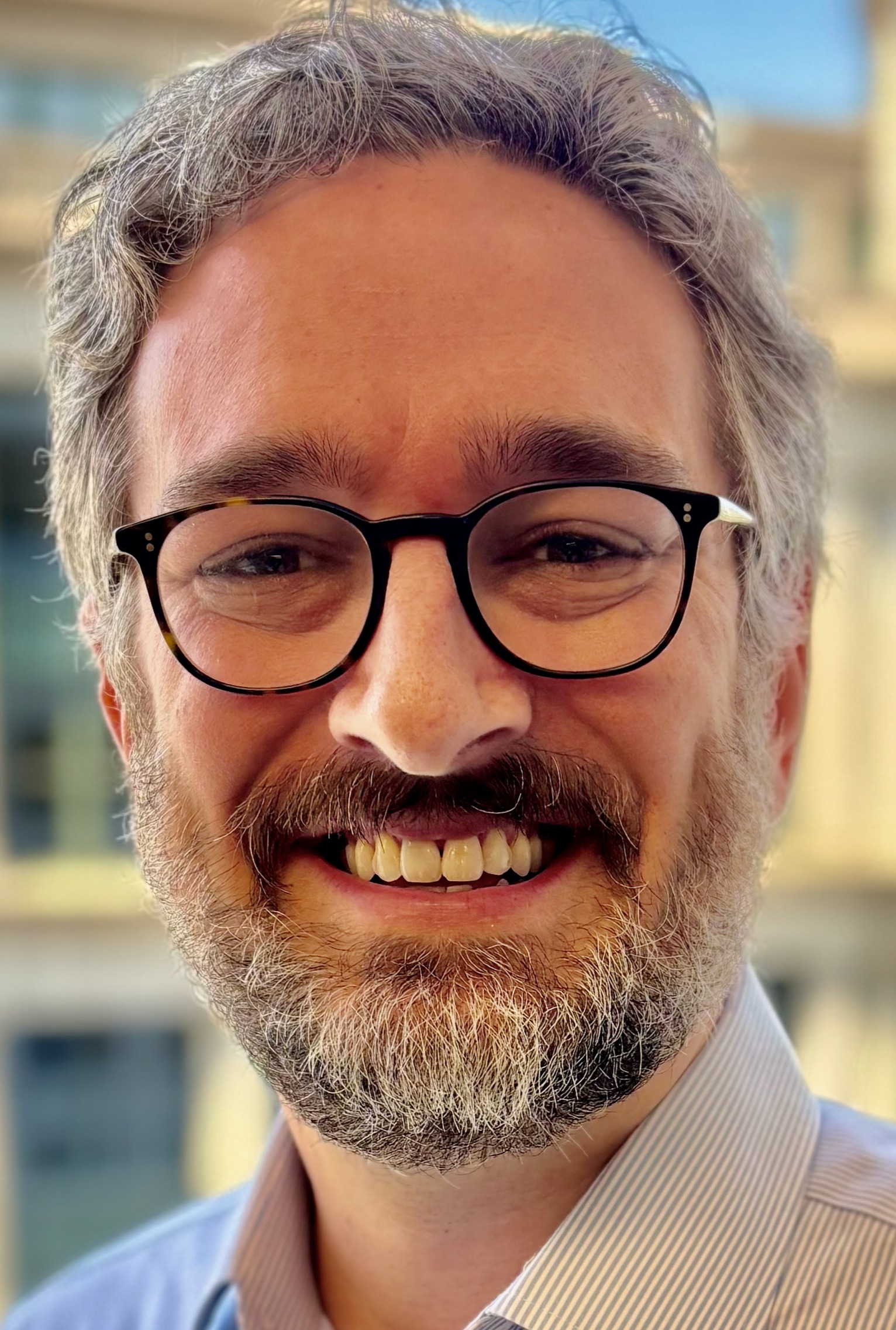
Eric Feder
Reporters Committee for Freedom of the Press
Eric Feder is the director of the Local Legal Initiative at the Reporters Committee for Freedom of the Press. The Local Legal Initiative (LLI) provides local news organizations with the direct legal services they need to pursue enterprise and investigative stories in their communities. RCFP’s LLI staff attorneys are currently based in seven states — Colorado, Indiana, Louisiana, Mississippi, Oklahoma, Pennsylvania, and Tennessee — and work closely on a pro bono basis with local journalists and news organizations to defend their rights to gather and report the news, gain access to public records and court proceedings, and hold state and local government agencies and officials accountable. Eric joined the Reporters Committee in June 2025 after more than 12 years at the law firm Davis Wright Tremaine, where he was most recently a partner in the media litigation group in Washington, D.C. At DWT, Eric counseled and litigated on behalf of news organizations, entertainment and technology companies, and writers on a wide range of media law issues, including defamation, copyright, right of publicity, and reporter’s privilege and source protection, as well as newsgathering and access issues.
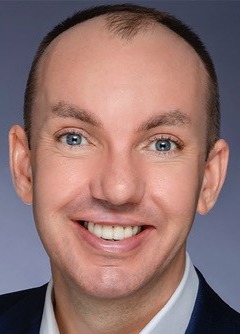
Eric Ferrero
Fund for Investigative Journalism
Eric Ferrero is the Executive Director of the Fund for Investigative Journalism, which provides grants and other support directly to journalists for specific investigative projects. Over the last 20 years, he has served in senior leadership roles at nonprofit and philanthropic organizations that support and partner closely with journalists to uncover groundbreaking stories, including at the Open Society Foundations, Innocence Project and Amnesty International.
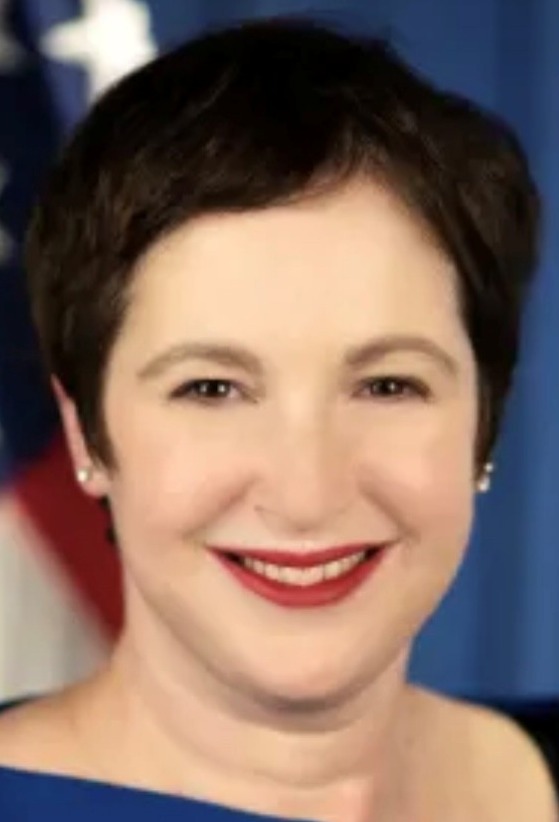
Deborah Fleischaker
UnidosUS
Deborah Fleischaker is the Senior Advisor, Immigration Policy and Strategy, at UnidosUS, the nation’s largest Hispanic civil rights and advocacy organization. Previously, she spent almost 14 years at the U.S. Department of Homeland Security as both a career civil servant and political appointee. While at DHS, she served in a variety of political appointee positions including the (A) Chief of Staff at U.S. Immigration and Customs Enforcement (ICE), the ICE Assistant Director for Regulatory Affairs and Policy, the DHS Executive Secretary, and the Acting DHS Chief Privacy Officer and Chief FOIA Officer. In addition, Fleischaker worked as a career civil servant for over ten years in the DHS Office for Civil Rights and Civil Liberties (CRCL). While at CRCL, Fleischaker spent a year on detail as counsel to Senator Patrick J. Leahy where she worked on a range of Judiciary Committee issues including immigration, national security, and privacy. Fleischaker earned her JD from the University of Maryland and her BS from Vanderbilt University. She is a member of the Maryland and District of Columbia bars.
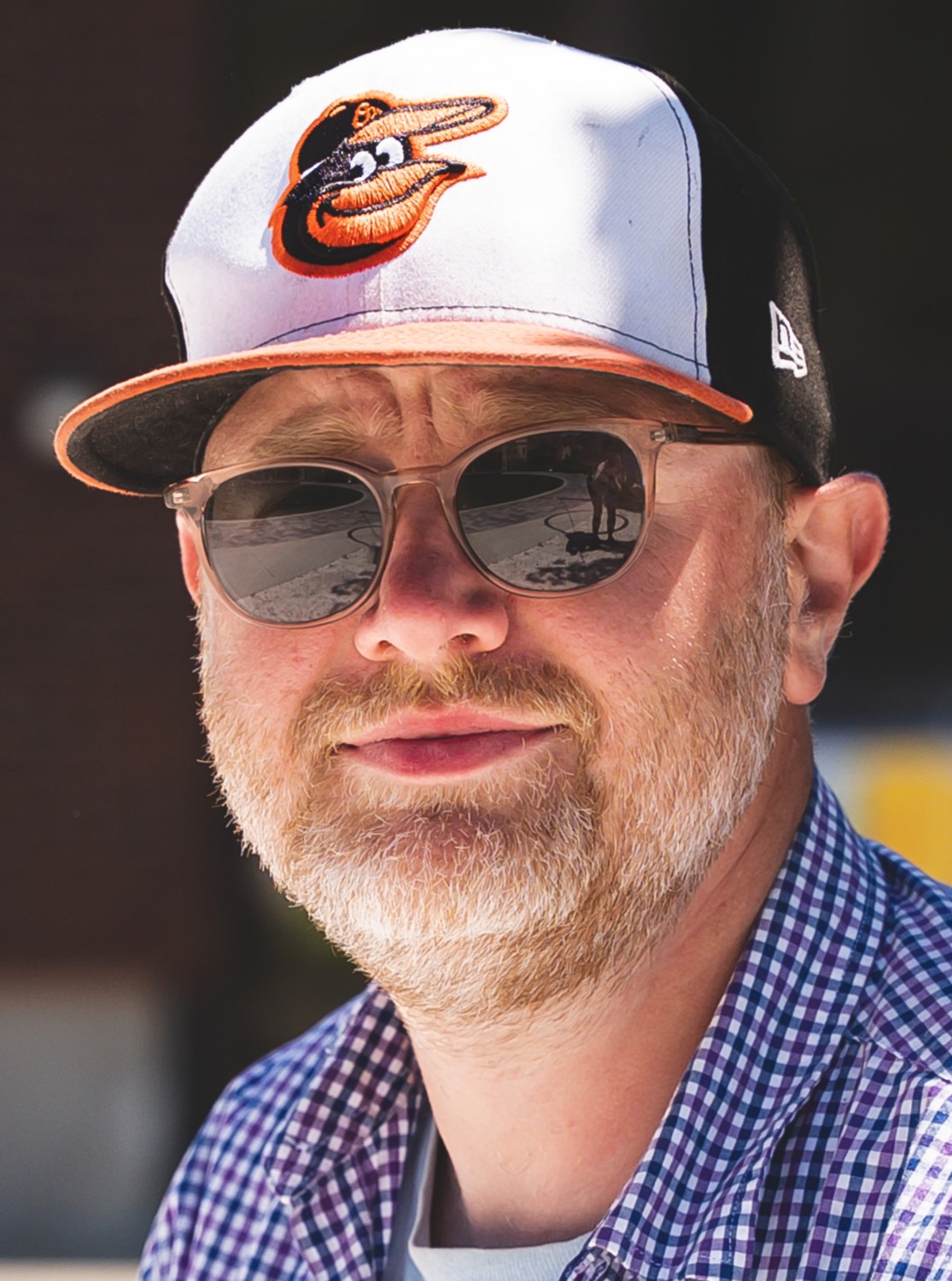
Will Fries
The Watershed Observer
Will Fries is the founding editor of The Watershed Observer, where he focuses on the intersection of local and global issues, amplifying community voices, and securing information integrity. Fries was served with a “peace order” by the city of Salisbury, Maryland, to bar him from city hall because of his records and meeting reporting (a judge dismissed the order). He has extensive experience with public records, having worked on both sides of requests as a journalist seeking access and within public agencies managing responses. His career spans government, nonprofits, and technology, with work appearing in The Baltimore Sun and The Washington Blade, grounded in transparency, accountability, and helping people make sense of the world.
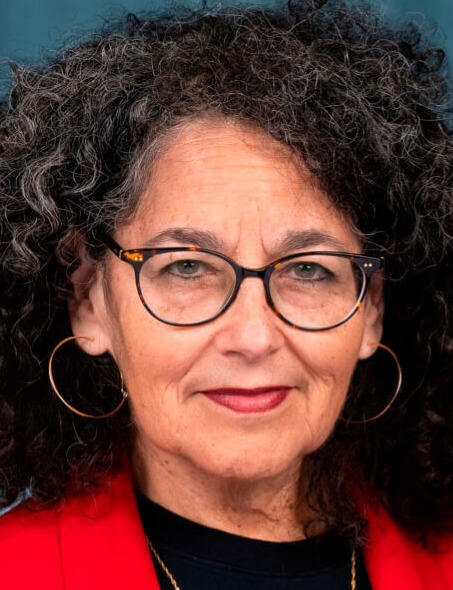
Diana Fuentes
Investigative Reporters & Editors
Diana Fuentes has more than 30 years of journalism experience, rising through the ranks at several newspapers, from police reporter to publisher. Based in San Antonio, she is currently executive director of Investigative Reporters & Editors, the nonprofit that trains journalists across the country. Fuentes is past president of the Freedom of Information Foundation of Texas and Texas Managing Editors and continues to serve on those boards. She also is a member and past president of the San Antonio Association of Hispanic Journalists. Diana has a bachelor’s degree from UT-Austin and a master’s from Texas State University.
Justin Garcia
Tampa Bay Times
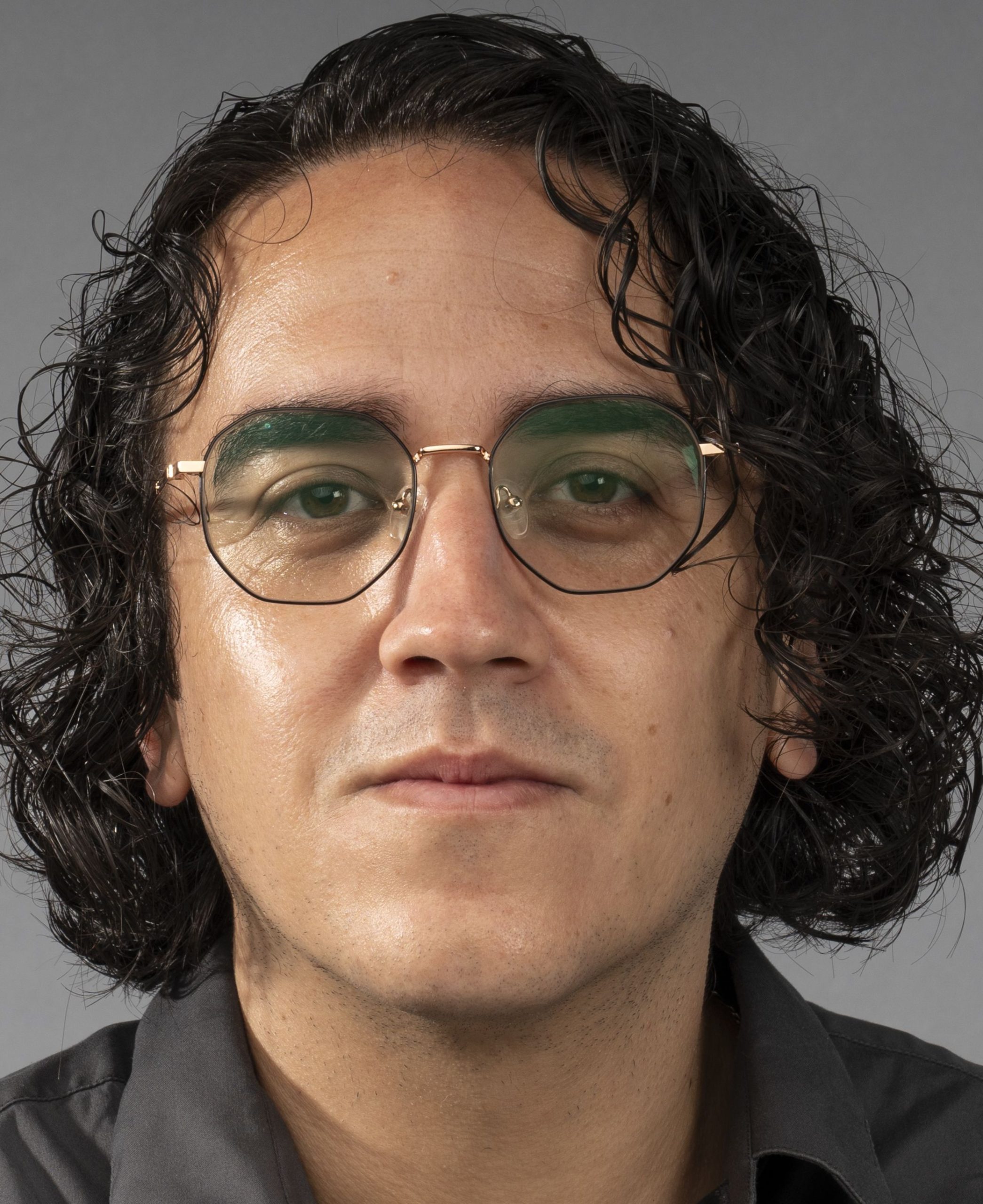
Justin Garcia is an investigative reporter at the Tampa Bay Times. He joined the newsroom in 2023 as an accountability reporter, focusing mainly on law enforcement issues across the state. Before joining the Times, he spent years freelancing at local, regional and national outlets while also writing for a weekly paper in Tampa. His journalism has led to resignations of a police chief and a leader of the Republican Party of Florida, along with spurring internal investigations at several law enforcement agencies. Garcia also works with the Poynter Institute on its “Transforming Crime Reporting into Public Safety Journalism” program to train newsrooms around the country on how to report more ethically and accurately about crime. In 2024, the Tampa Fire Department chief called the police on Garcia after he tried to submit a public records request.
Morton H. Halperin
Retired
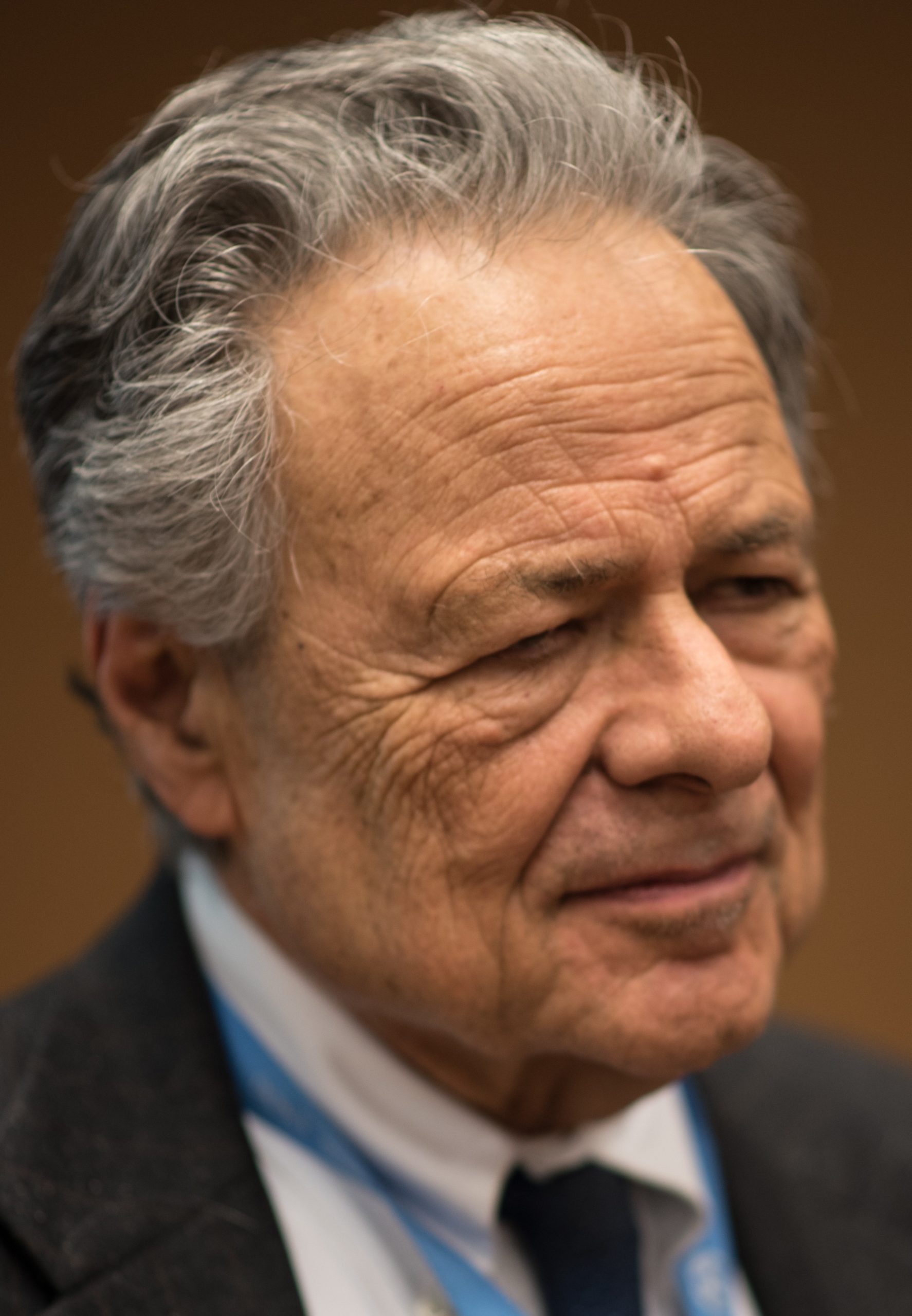
Morton H. Halperin served in the Obama, Clinton, Nixon, Johnson, and Kennedy administrations, including as Director of the Policy Planning Staff at the Department of State (1998-2001). He has testified more than 100 times before congressional committees. He taught at Harvard (1961-66) and, as a visitor at other universities including Columbia, George Washington, and Yale, and earned his doctorate at Yale in 1961. He has been affiliated with a number of think tanks including the Center for American Progress, the Council on Foreign Relations, the Carnegie Endowment for International Peace, the Century Foundation and the Brookings Institution. He is the author of numerous books and articles including Bureaucratic Politics and Foreign Policy, and Top Secret.
Samantha Hamilton
Atlanta Community Press Collective
Samantha C. Hamilton is Legal Counsel with the Atlanta Community Press Collective, an independent outlet that covers local news and government in Atlanta, Georgia. She counsels the newsroom on media law matters, journalist safety, and navigating interactions with police. She is also a Senior Staff Attorney with Asian Americans Advancing Justice – Atlanta, where she investigates civil rights abuses inside immigration detention centers and brings immigrants’ rights litigation in federal court.
Alexis Haskell
Temple University
Alexis Haskell is a Ph.D. candidate at the Klein College of Media & Communication at Temple University. She is interested in contemporary issues in journalism stemming from the tension between the field’s economic and cultural value. Her dissertation looks at how games and puzzles have been instrumental to The New York Times recent success amid widespread institutional crises. Her recent work focuses on journalistic disillusionment and well-being, journalism and social media, mobile news consumption, and Gen Z’s relationship with the news. She holds both a bachelor’s degree in journalism and a master’s degree from Indiana University.
William H. Holzerland
U.S. Department of Health and Human Services
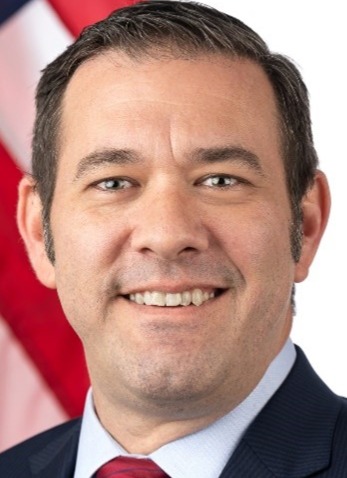
William H. Holzerland is a career member of the Senior Executive Service in the HHS Office of the Assistant Secretary for Public Affairs, where he serves as Deputy Agency Chief Freedom of Information Act Officer. He provides executive leadership over agency-wide transparency and disclosure, advising senior officials on policy, risk, and compliance in complex regulatory and operational environments. Holzerland brings more than two decades of federal leadership experience, having held senior roles at the U.S. Department of the Interior and the Federal Emergency Management Agency, where he served concurrently as Chief Disclosure Officer, Chief Privacy Officer, and Chief Records Officer. His career also includes leadership positions at the Food and Drug Administration, the Consumer Financial Protection Bureau, and the U.S. Department of Homeland Security. He is recognized for building and modernizing disclosure and information governance programs in high-visibility, mission-critical agencies. A Buffalo, New York native, Holzerland holds a B.A. from St. Bonaventure University and a J.D. from the University of Baltimore School of Law, and is admitted to practice in Maryland.
Blanca Lilia Ibarra
Former President, National Institute for Access to Public Information (Mexico)
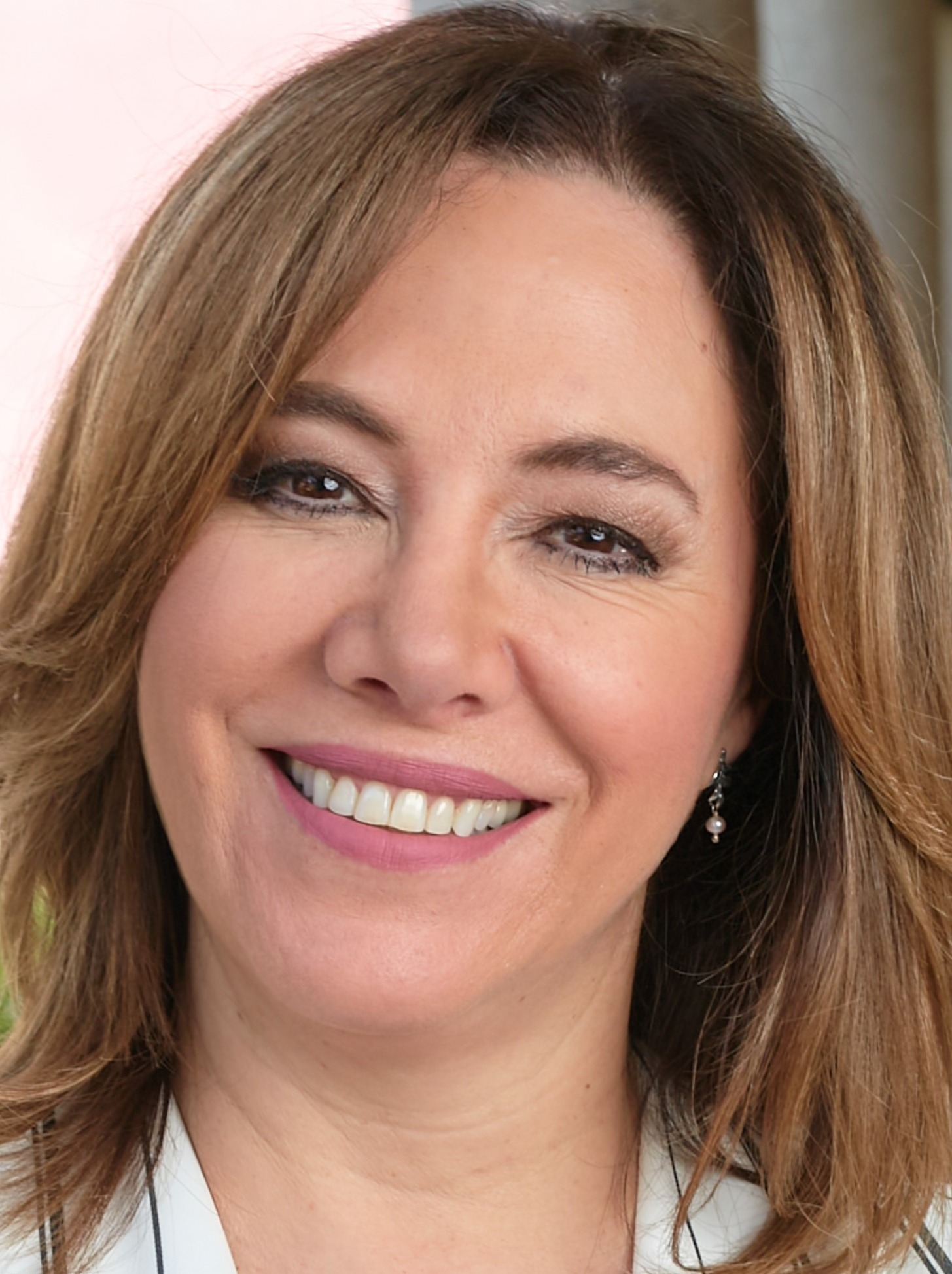
Blanca Lilia Ibarra is a journalist who has specialized in issues related to transparency in public administration in Mexico. She served as president of Mexico’s National Institute for Access to Public Information, which was the focus of a Margaret Kwoka study on information commissions, and shuttered by the government in 2025. She also served as president of the International Conference of Information Commissioners, made up of more than 88 members worldwide, is the most important international cooperation network on access to information. Its strategic cooperation partner has been UNESCO, working together to advance the Sustainable Development Goals and the 2030 Agenda. She served as president of the Integrity Network, composed of 18 institutions across four continents, focused on strengthening its members’ activities in the areas of ethics, integrity, accountability, and transparency in public service. She also served as president of the RTA, comprising 45 members from Ibero-America, is a regional cooperation network distinguished by projects developed with partners such as the European Union, the OAS, UNESCO, the World Bank, and ParlAmericas. These projects include the Model Law on Access to Information, toolkits to strengthen transparency, indicators, environmental transparency initiatives, archives, among others She served as director of the Mexican Congress’s television channel. For thirty years, she worked in the media as a reporter, producer, and also as a host of news programs and analytical shows.
Ally Jarmanning
WBUR Boston
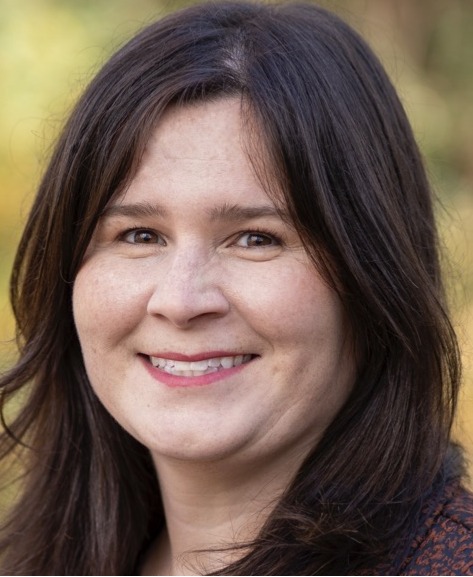
Ally Jarmanning is a senior reporter at WBUR in Boston, where she focuses on accountability stories using data and public records. She was the host and reporter of the Murrow Award-winning podcast “Last Seen: Postmortem,” which investigated the thefts of donated human remains from the Harvard Medical School morgue. She was a Knight-Wallace Fellow at the University of Michigan and has taught journalism at Boston University and Boston College.
Nate Jones
The Washington Post
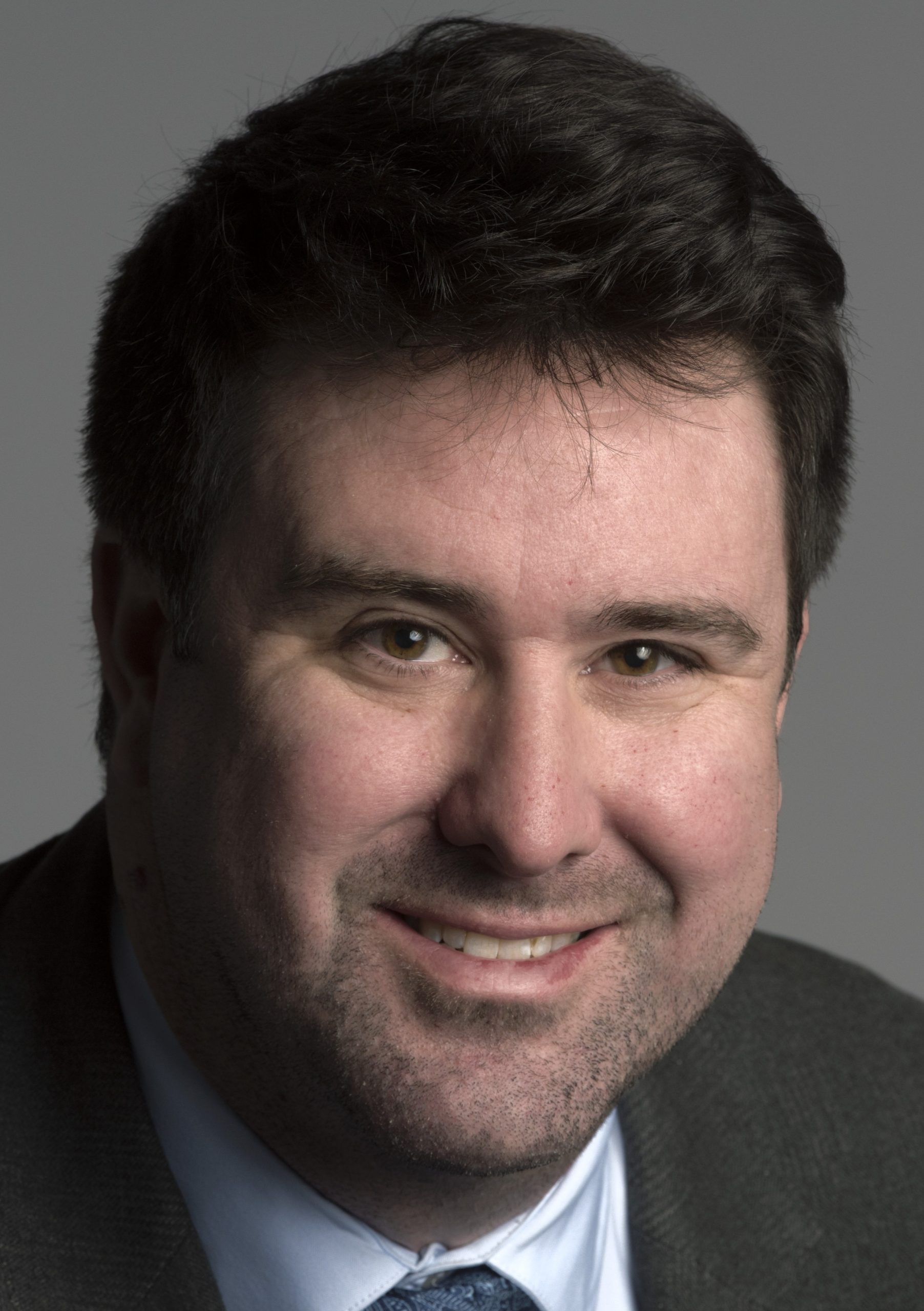
Nate Jones is the FOIA director for The Washington Post, where he works with reporters to target documents to request, appeal and sue for. He obtains local, state and federal records and thinks strategically about public records in all formats. He gives FOIA training sessions and advises reporters on how to write, refine and track requests, navigate delays and overredactions, and overcome other bureaucratic resistance. He is also author of the “Revealing Records” column which describes The Post’s battles for public records and has been part of two Washington Post reporting teams which have won Pulitzer Prizes. He has served two terms on the federal FOIA Advisory Committee and holds a JD from the University of the District of Columbia. He previously was the director of the FOIA Project for the National Security Archive, where he used FOIA to write a book on the 1983 Able Archer nuclear war scare.
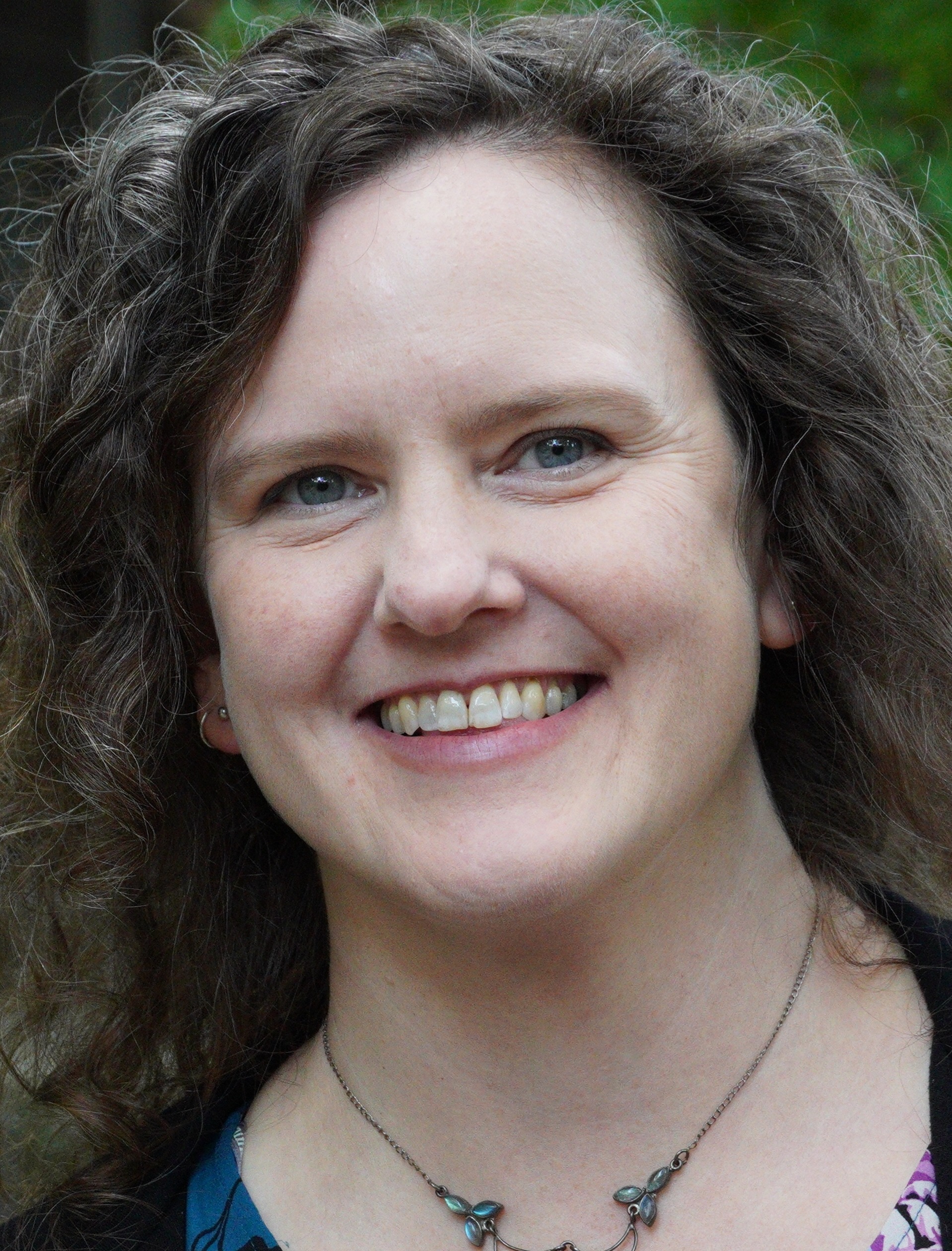
Lynda Kellam
Data Rescue Project
Lynda Kellam, Ph.D., is the Snyder-Granader Director of Research Data & Digital Scholarship at the University of Pennsylvania Libraries, where she leads a team supporting research data management, data science, GIS, digital humanities, AI, and institutional repository services. Her research focuses on preserving at-risk public data, advancing FAIR principles, and supporting qualitative and mixed-methods research. She is a co-founder of the Data Rescue Project and serves as the Secretary of IASSIST, an international organization for data professionals.
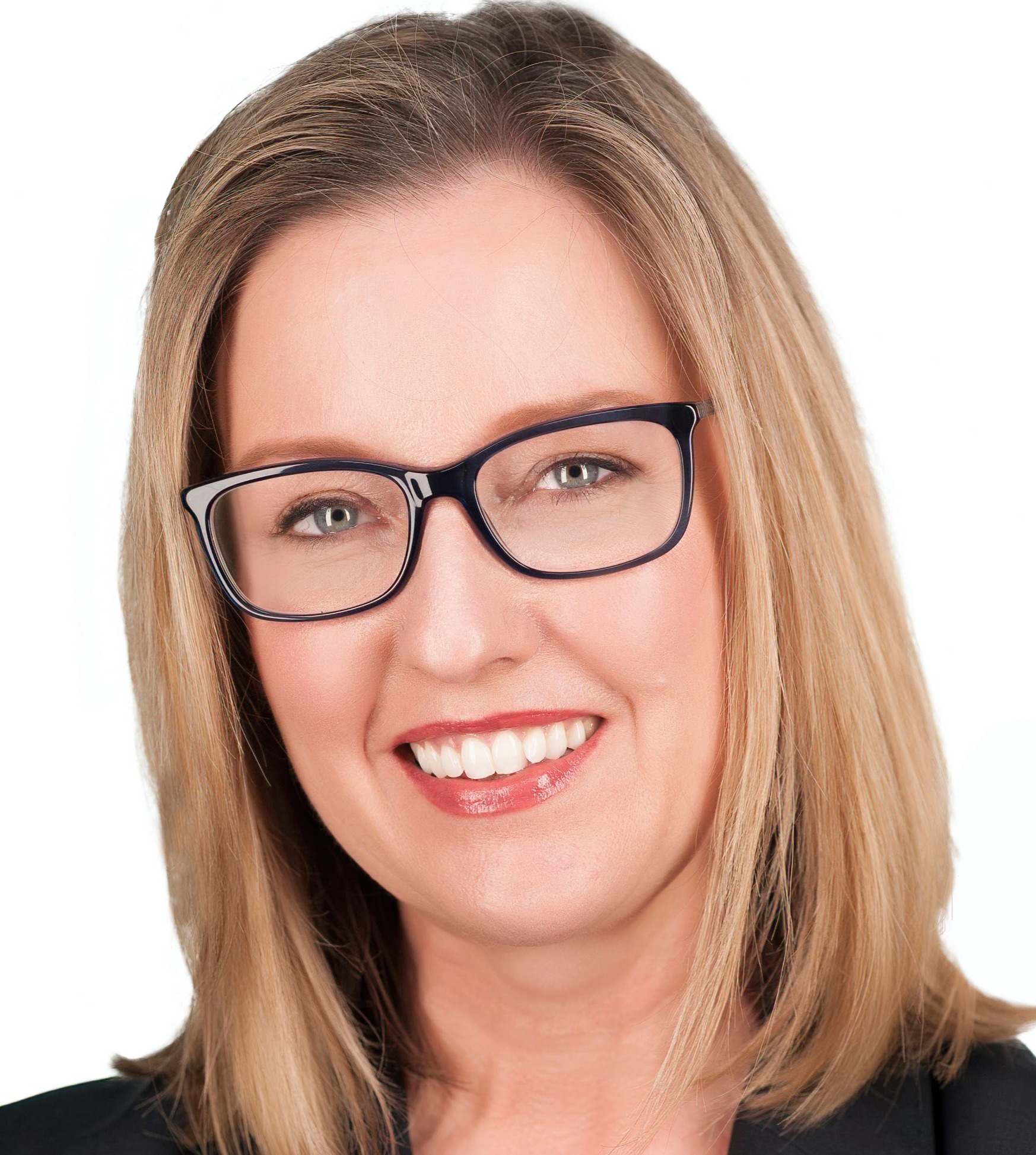
Shelley Kimball
Johns Hopkins University
Shelley Kimball, Ph.D., is the associate communication program director at Johns Hopkins University. She is a former journalist, and she has been an advocate for government transparency for more than 20 years. Her research focus is evaluating the effectiveness of open government through qualitative, law-in-action lenses. Her research has appeared in Communication Law and Policy, Government Information Quarterly, the Journal of Media Law and Ethics, and the Newspaper Research Journal. She is a member of the federal Freedom of Information Act Advisory Committee for the 2024-2026 term.
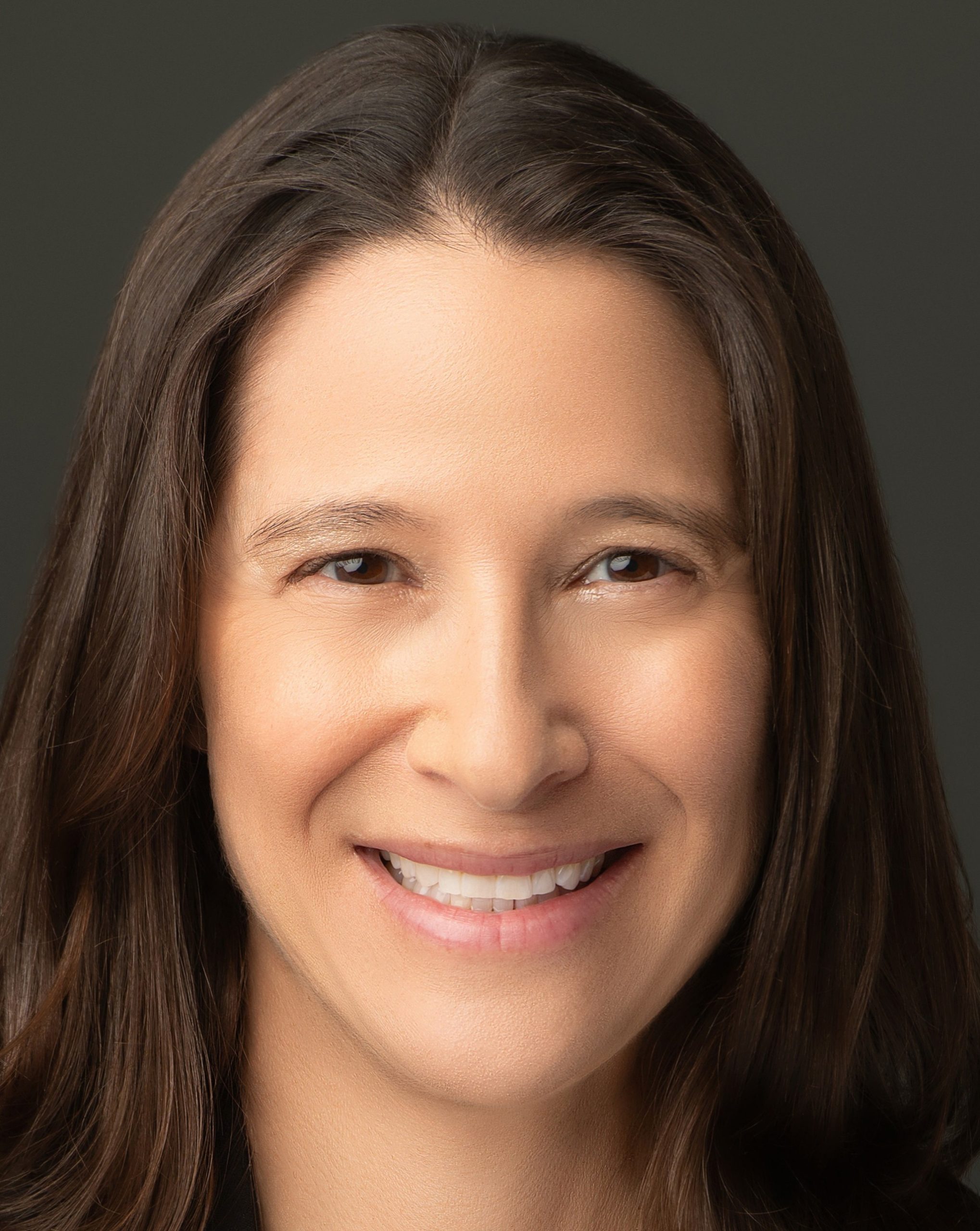
Sarah Kotler
Kingswood Transparency Group
Sarah Kotler is the founder of Kingswood Transparency Group, LLC, where she advises clients on strategic public records requests and appeals in the United States and internationally. She previously served for ten years as Director of the Division of Freedom of Information at the U.S. Food & Drug Administration (FDA), where she led a comprehensive modernization initiative that reduced the agency’s FOIA backlog by 75%. During her more than 20-year tenure at FDA, Sarah also served as Denials & Appeals Officer, Deputy FOIA Director, and Associate Chief Counsel. A two-term member of the FOIA Advisory Committee, she is a frequent speaker on government transparency and advanced FOIA strategy.
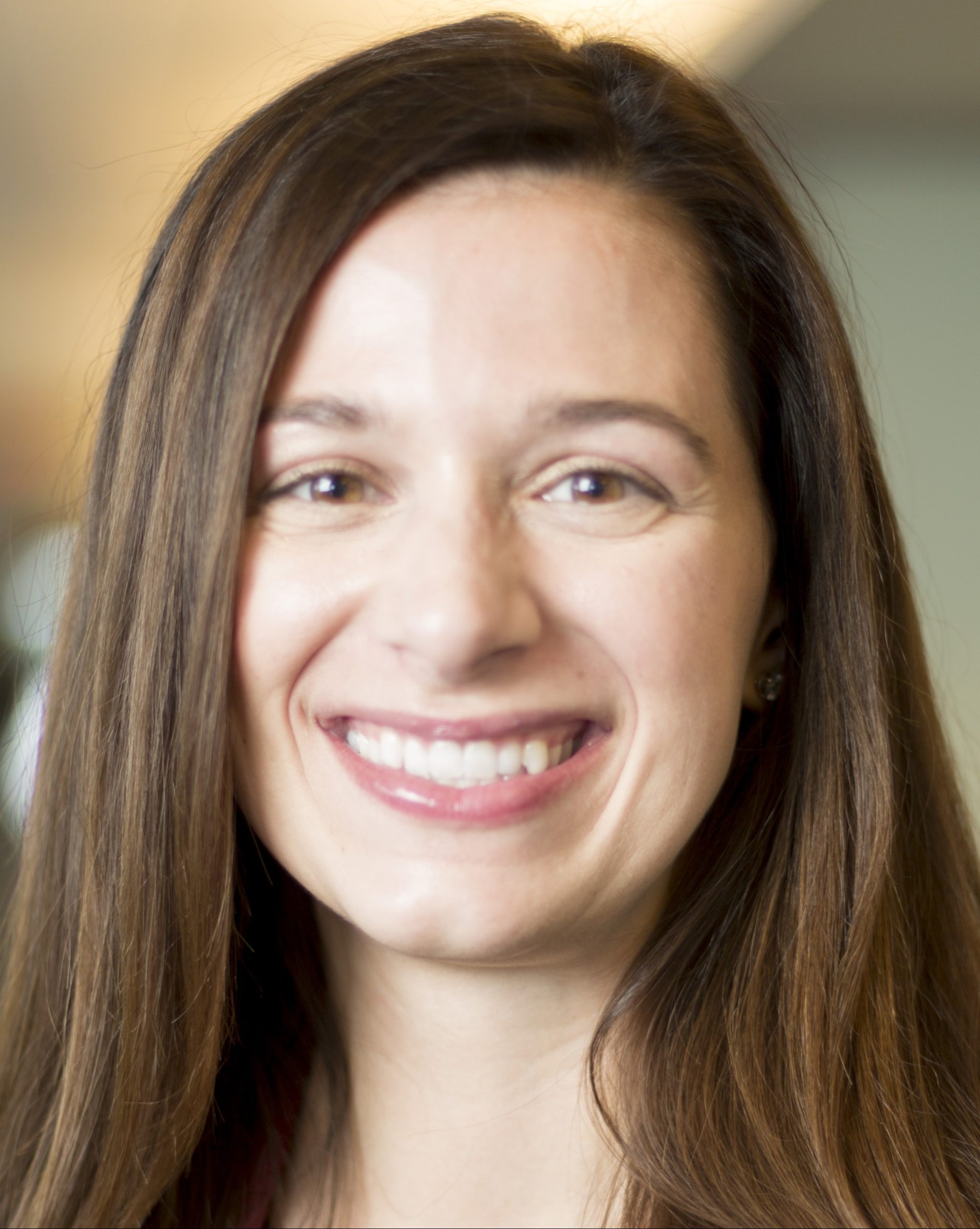
Marisa Kwiatkowski
John S. and James L. Knight Foundation
Marisa Kwiatkowski is a director of journalism at Knight Foundation. She previously spent 20 years as a reporter, handling investigations at USA TODAY and local outlets in Michigan, South Carolina and Indiana. Her work has spurred multiagency investigations, criminal charges, resignations and changes to policy and state and federal law.
Margaret Kwoka
Ohio State University
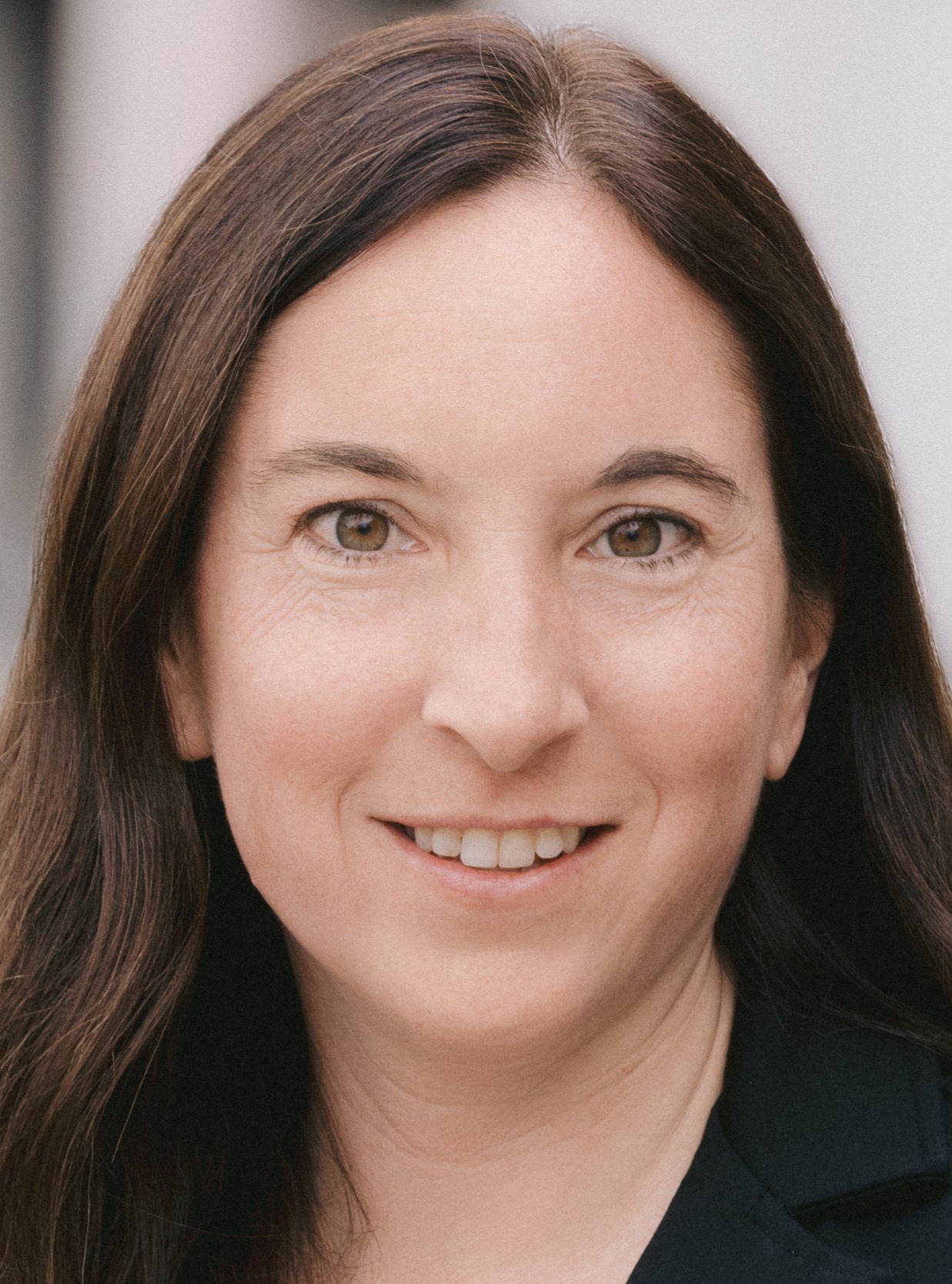
Margaret Kwoka holds the Frank R. Strong Chair in Law at The Ohio State University Moritz College of Law where her research focuses on government transparency. Her empirical research on FOIA has appeared in the Yale Law Journal and Duke Law Journal as well as in a monograph, “Saving the Freedom of Information Act,” published by Cambridge University Press. Her more recent work on FOIA administration and enforcement has appeared in the Georgetown Law Journal and George Washington International Law Review, scholarship that was supported, in part, by a year-long Fulbright-García Robles grant during which time she conducted primary research in Mexico. She is also a co-editor of a forthcoming volume, “Populism and Transparency,” in which she is co-authoring a chapter on the Mexican case. She has twice testified before Congress at FOIA oversight hearings, been a consultant on government transparency administration to the Administrative Conference of the United States, and currently serves (for the second time) on the Federal FOIA Advisory Committee at the National Archives and Records Administration. Prior to joining the academy, she practiced as an attorney at Public Citizen Litigation Group, where she focused on FOIA litigation.
Isabelle Leofanti
The Stampede, Metea Valley High School (Illinois)
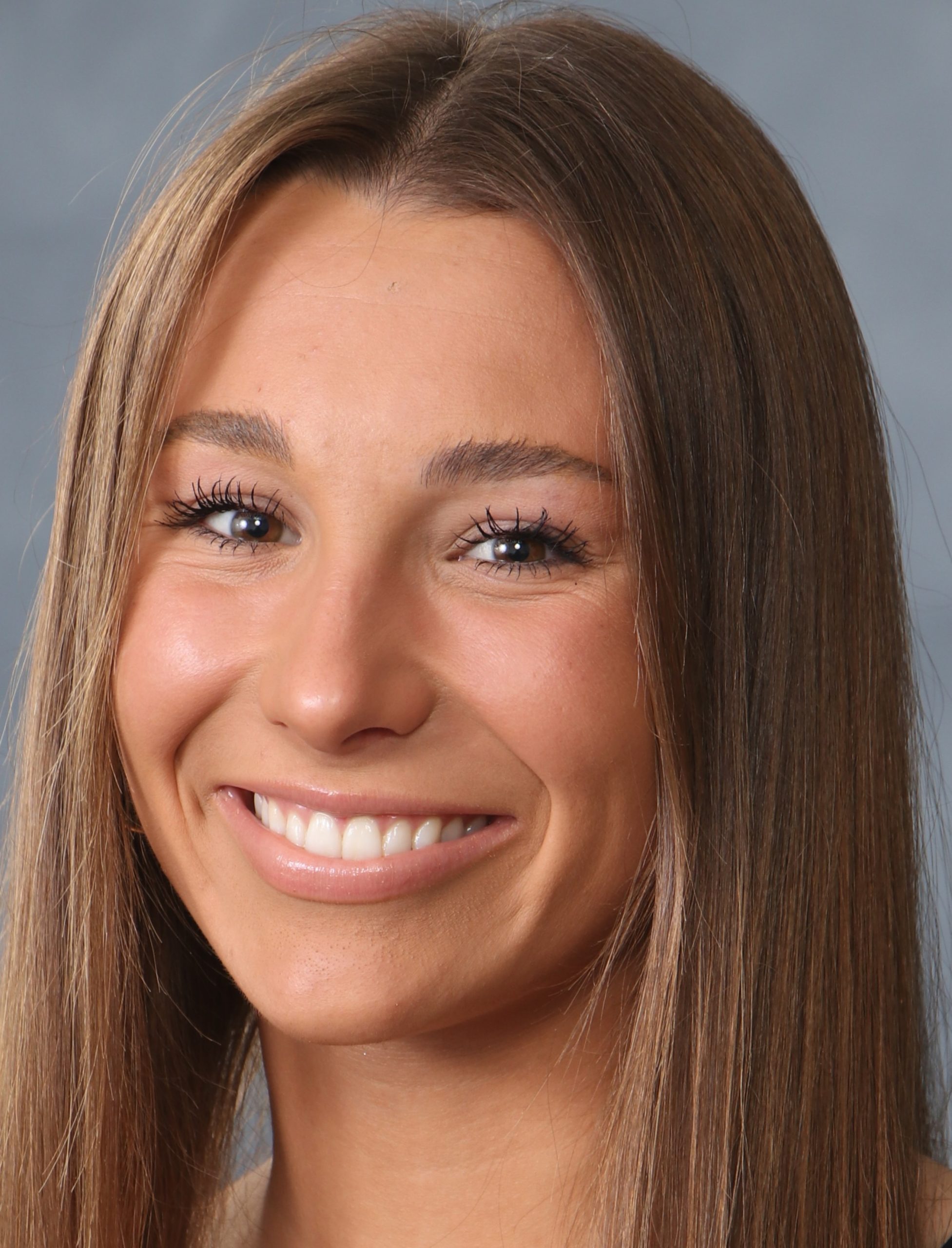
Isabelle Leofanti is from Naperville, Illinois, and a 2025 graduate of Metea Valley High School, where she served as the Lead Investigative Reporter and Copy Editor for The Stampede. During her time at Metea Valley, Isabelle reported at the 2024 Democratic National Convention, was a finalist for the National Scholastic Press Association Sports Story of the Year, and received the 2025 Student Freedom of Information Award given by the Student Press Law Center and Brechner FOI Project for exposing, through public records, problems with the school’s football stadium turf. She is currently a freshman at Kent State University majoring in business and journalism and a member of the Kent State Women’s Soccer team.
Frank LoMonte
CNN
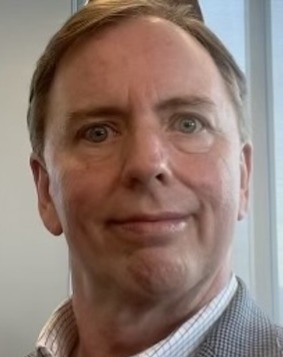
Frank LoMonte is newsroom legal counsel to CNN, where he advises the network’s 3,000 worldwide journalists on the full range of legal issues that arise in gathering and distributing news. He is an adjunct instructor at the University of Georgia School of Law and previously taught at the University of Florida, where he directed the Joseph L. Brechner Center for Freedom of Information. After graduating from the University of Georgia School of Law, he clerked for federal judges on the Eleventh Circuit U.S. Court of Appeals and the Northern District of Georgia. He is co-chair of the Free Speech and Free Press Committee of the American Bar Association and a national board member with the Society of Professional Journalists Foundation, which recently awarded him the organization’s highest honor for career achievement, the Wells Key. He is a 2024-26 member of the National Archives and Records Administration’s FOIA Advisory Committee, and has published more than 30 academic research papers on media-law topics including FOI law.
Jason Leopold
Bloomberg News
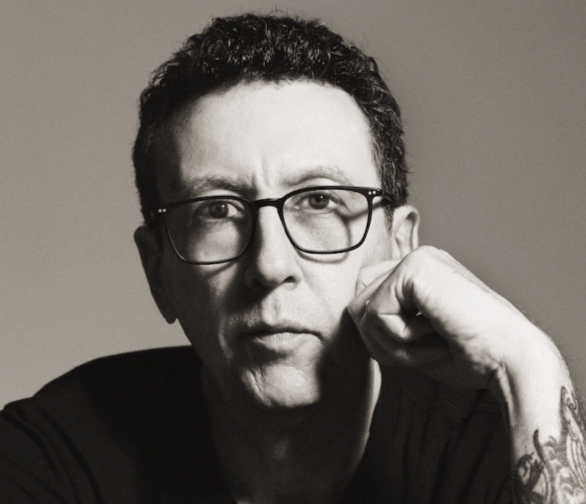
Jason Leopold is a senior investigative reporter on the Bloomberg News investigations team. He is a recipient of the 2023 Gerald Loeb award for investigative reporting, a 2022 George Polk award for health reporting and he has twice been a finalist for the Pulitzer Prize in international reporting. In 2016, Leopold was awarded the FOI award from IRE and was inducted into the National Freedom of Information Hall of Fame by the Freedom Forum Institute and the Newseum. Leopold’s Freedom of Information Act work has been profiled by dozens of radio, television, and print outlets, including a 2015 front-page story in the New York Times. He has testified before a congressional oversight committee about the shortcomings of FOIA and steps the government needed to take to improve the law. In 2020, the Transactional Records Access Clearinghouse identified Leopold as “the most active individual FOIA litigator in the United States today.” He publishes the weekly newsletter, FOIA Files, for Bloomberg News.
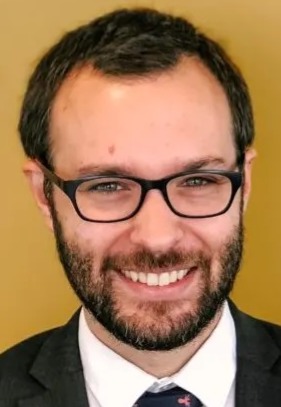
Adam Marshall
Reporters Committee for Freedom of the Press
Adam A. Marshall is the director of national litigation at the Reporters Committee for Freedom of the Press. His work includes litigation in federal and state courts and training journalists on government transparency. Adam is the co-author of chapters in Troubling Transparency (Columbia University Press, 2018), and COVID-19: The Legal Challenges (Carolina University Press, 2021). His other writings include Access to Public Records and the Role of the News Media in Providing Information About COVID-19 (Journal of National Security Law & Policy, 2020) and Prioritizing the Public’s Right to Know in a Pandemic (Wake Forest Journal of Law & Policy, 2021). In 2017, he was named to the Forbes “30 Under 30: Media” list for his work promoting government transparency, including the development of the FOIA Wiki. Adam is an alum of The George Washington University Law School, Kalamazoo College, and the London School of Economics.
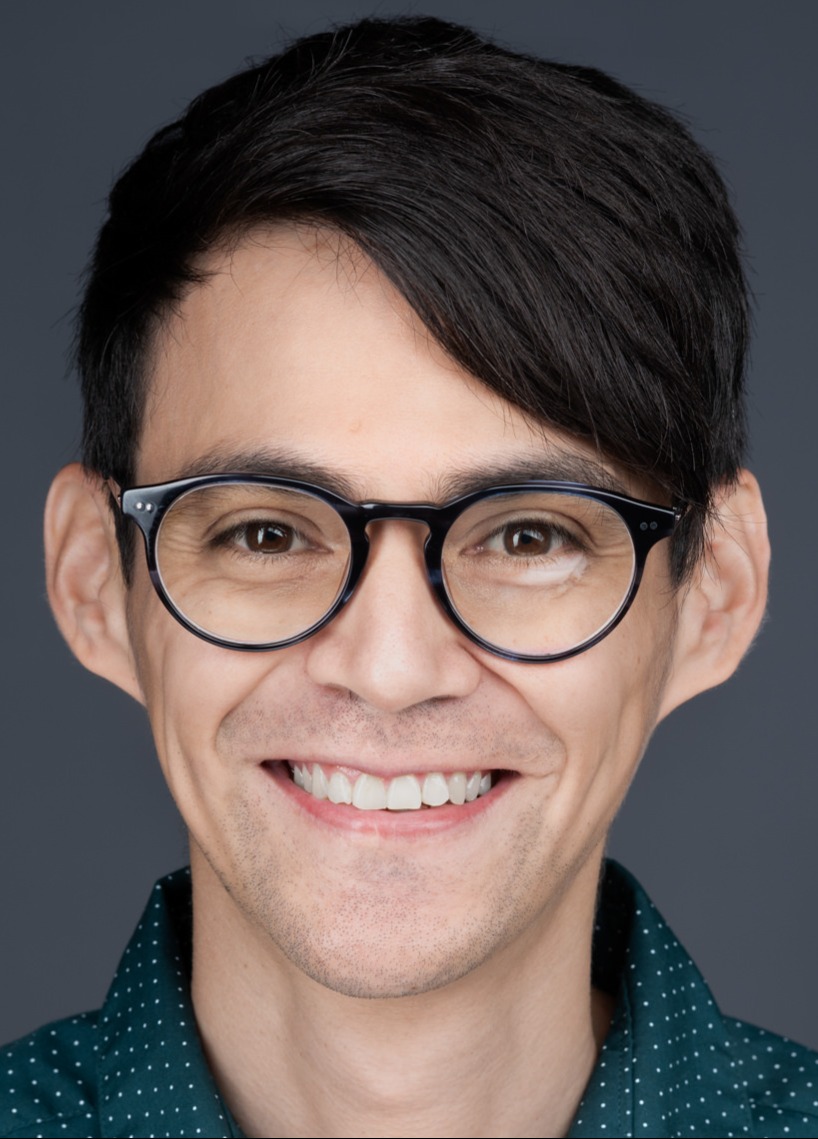
Freddy Martinez
Lucy Parsons Labs
Freddy Martinez is the co-Executive Director of Lucy Parsons Labs where he investigates the use of technology by police. His work has been featured in publications like the New York Times, the New Republic, Truthout, NPR and other media outlets. He has worked at the intersection of technology, privacy, and civil rights for over a decade including at organizations like the Project on Government Oversight and Freedom of the Press Foundation.

Anna Massoglia
MuckRock
Editor Anna Massoglia leads MuckRock’s news team, overseeing the organization’s editorial vision and engagement strategy, including leading the Sunlight Research Desk. She previously served as director of investigations at the Sunlight Research Center and directed the media team at OpenSecrets, overseeing editorial processes and political finance investigations. As an independent journalist and subject matter expert, she has worked with a wide range of newsrooms, academic institutions and nonprofits. She can be reached at anna@muckrock.com.
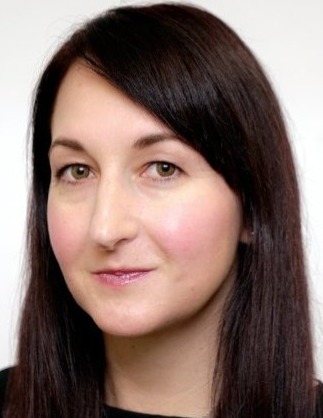
Kirstin McCudden
Freedom of the Press Foundation
Kirstin McCudden is the chief of editorial for Freedom of the Press Foundation, overseeing the organization’s editorial strategy and standards. She manages the editing, audience, and U.S. Press Freedom Tracker reporting teams. Kirstin holds bachelor’s and master’s degrees in journalism from the University of Missouri and has more than 25 years of experience in print and digital journalism. She lives in New York City.

Elouise McDaniel
Retired elementary school teacher
Eloise McDaniel gained national media attention when she was labeled a “vexatious” requester and sued by the town of Irvington, New Jersey. She filed about 75 public records requests over a span of three years, mostly about how tax dollars were being spent. In 2022, the town sued her, but following extensive media coverage and pushback by the American Civil Liberties Union, the town dropped the claim. McDaniel, now 86, taught elementary school for 31 years and earned her master’s degree and completed her doctoral coursework before retiring to Virginia.
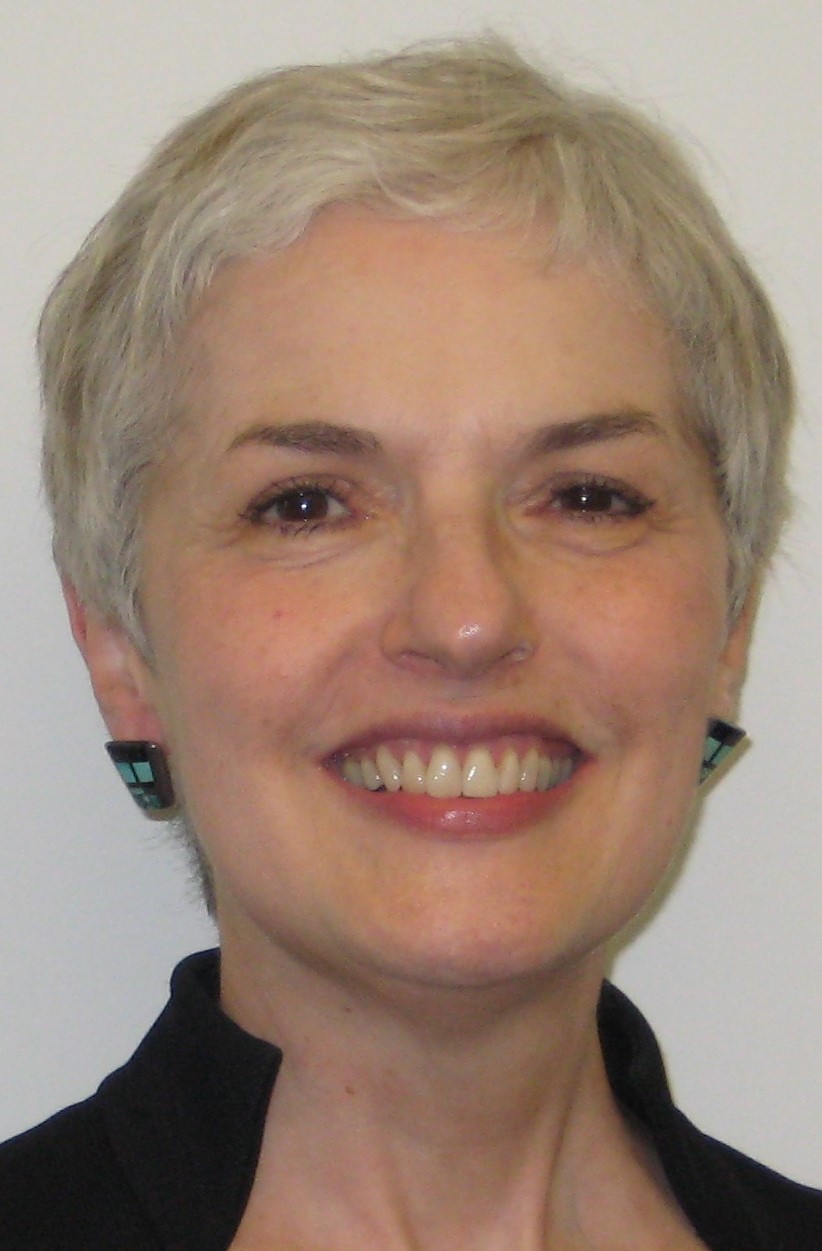
Patrice McDermott
Government Information Watch
Patrice McDermott retired in March 2017 as Executive Director of OpenTheGovernment. During her tenure, between July 2006 and March 2017, she brought OTG to the forefront of progress on government transparency and accountability, including successful efforts to reform the Freedom of Information Act (FOIA), ensure preservation of the Senate Torture Report, combat secrecy around surveillance programs in the wake of the Snowden revelations, and engage the openness community in such diverse policy areas as trade, immigration, and law enforcement accountability. Under McDermott, OpenTheGovernment was the linchpin of the transparency community’s work with the Obama Administration on open government from 2009 – 2016. OTG and its partner organizations served as informal advisors to the White House and to several agencies on issues of concern to our community and the public (such as the Open Government Partnership, the Open Government Directive and the high-value data sets on Data.gov, the Executive Order on Classified National Security Information, the initiatives of the White House related to sensitive but unclassified information, implementation of improvements to FOIA processes, issues of electronic records management, and more). Since 2018, as Director of Government Information Watch she has carried on the work of bringing organizations and coalitions together to protect and advance openness across a wide range of interests. McDermott is the author of “Secrets and Lies — Exposed and Combatted: Warrantless Surveillance Under and Around the Law 2001-2017.” Secrecy and Society 2(1), and Who Needs to Know? The State of Public Access to Federal Government Information. On March 16, 2011, she received the James Madison Award from the American Library Association in recognition of her work to champion, protect, and promote public access to government information and the public’s right to know. She was inducted into the National Freedom of Information Act Hall of Fame in 2001. She has served on the Board of Directors of the Government Accountability Project since 2017.

Toby McIntosh
Eye on Global Transparency
Toby McIntosh is the editor of Eye on Global Transparency, writing about transparency at international institutions. He is Senior Advisor at the Global Investigative Journalism Network. He was the editor of FreedomInfo.org, a website covered FOI worldwide, from 2010-2017. He was a Washington-based reporter and editor from 1975-2014.
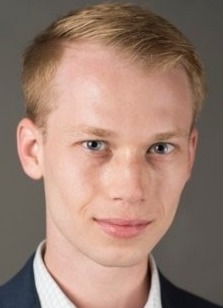
Russell McIntyre
Cotality
Russell McIntyre is a Principal on the Public Policy & Industry Relations team at Cotality. Russell has been with Cotality for 11 years and has held a number of responsibilities throughout that time, including: federal and state legislation and regulation monitoring, federal agency engagement, thought leadership contributions from research papers to podcasts, internal strategy development, oversight of the Cotality PAC, and much more. His areas of expertise include affordable housing, climate-related financial risk, consumer data & privacy rights, homeowners insurance, and more, along with a detailed knowledge of Congressional and administrative rulemaking procedures.
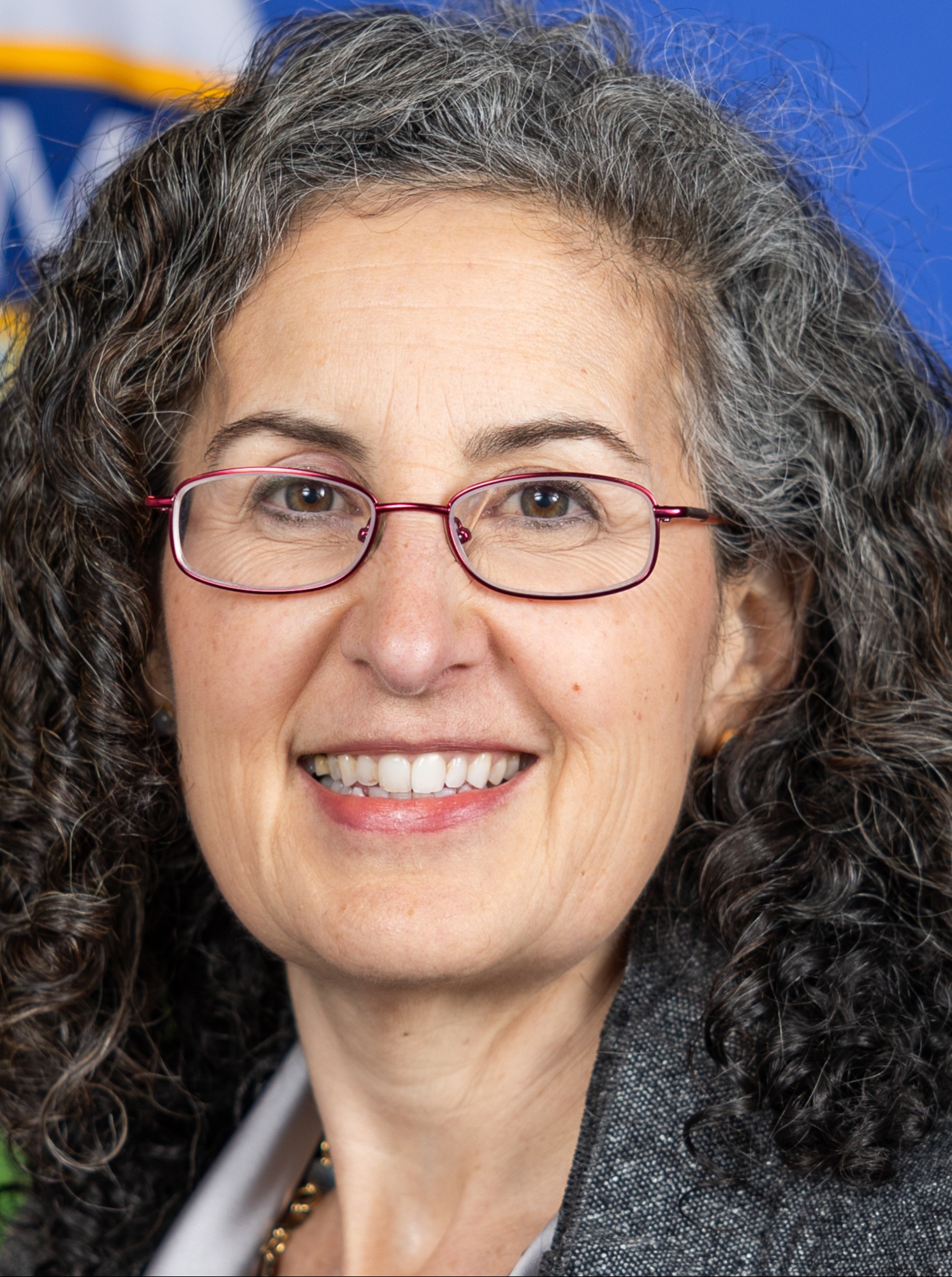
Deborah Moore
U.S. Department of Education
Deborah Owen Moore is the Chief FOIA Officer for the U.S. Department of Education. As a career member of the Senior Executive Service, she serves as the senior agency official responsible for administering compliance with the Freedom of Information Act, overseeing the department’s execution of its FOIA responsibilities, including promulgating policy and auditing and reporting on performance. Prior to this position, she served in the Department of Homeland Security, overseeing a wide variety of projects and programs, including the FOIA programs in the Transportation Security Administration and the Cybersecurity and Infrastructure Security Administration. For DHS she also led DHS’s Department-wide Efficiency Review program, its Arctic Implementation Plan, and the DHS Traveler Redress Inquiry Program. Prior to her government service, she worked in both the private and non-profit arenas. She received her Master’s and Doctoral degrees from the University of Louisiana and her undergraduate degree from Oberlin College.
Ryan P. Mulvey
Americans for Prosperity Foundation
Ryan P. Mulvey is senior policy counsel at Americans for Prosperity Foundation and senior counsel as Cause of Action Institute. His practice touches on various aspects of government oversight, civic engagement, and administrative and constitutional law. He regularly lectures on government transparency matters and litigates cases under the federal Freedom of Information Act and Administrative Procedure Act. Ryan has helped prosecute state public records requests, too, and provided amicus support before state and federal courts, including the U.S. Supreme Court, on various matters. As a policy expert, he regularly advises congressional staff about FOIA reform and cutting-edge transparency issues. In addition to his work at AFP Foundation, Ryan is a Professorial Lecturer in Law at The George Washington University Law School, where he teaches federal FOIA as part of an administrative-law clinic. Ryan is the president of the American Society of Access Professionals and a contributor at FOIA Advisor. He is also a non-government member of the 2024-2026 Term of the National Archives & Records Administration’s Federal FOIA Advisory Committee.
Amalie Nash
John S. and James L. Knight Foundation
Amalie Nash is vice president for journalism at the John S. and James L. Knight Foundation. She has dedicated her career to local journalism, rising from reporter to executive editor to senior vice president of local news at the country’s largest newspaper company. Most recently, she has served as the Newsroom Transformation Initiative lead for the International News Media Association and head of transformation for the nonprofit National Trust for Local News. Previously, she was SVP of local news and audience development for Gannett//The USA TODAY Network, executive editor of The Des Moines Register and assistant managing editor at The Detroit Free Press. She also served as a coach for the Local Media Association’s Family and Independent Media Sustainability Lab. Throughout her career, she’s been deeply involved in content strategy, digital subscription growth, audience development, and national coverage initiatives. Amalie was honored as a distinguished alumni at Eastern Michigan University in 2019 and was inducted into the Saline High School Hall of Fame in 2023. At INMA, Amalie has developed global expertise on the most pressing issues facing newsrooms, including how to effectively turn data into insights, engender loyal audiences and respond to platform changes. At NTLN, she’s been deeply involved in digital transformation, including helping newsrooms launch new newsletters, adopt audience-centric content strategies and incorporate new technology. While at Gannett, Amalie was integral in the formation of the USA TODAY Network of 110 local newsrooms in 2016 and 260 publications following the merger with GateHouse in 2019. She supervised all of the local newsrooms and their leadership.
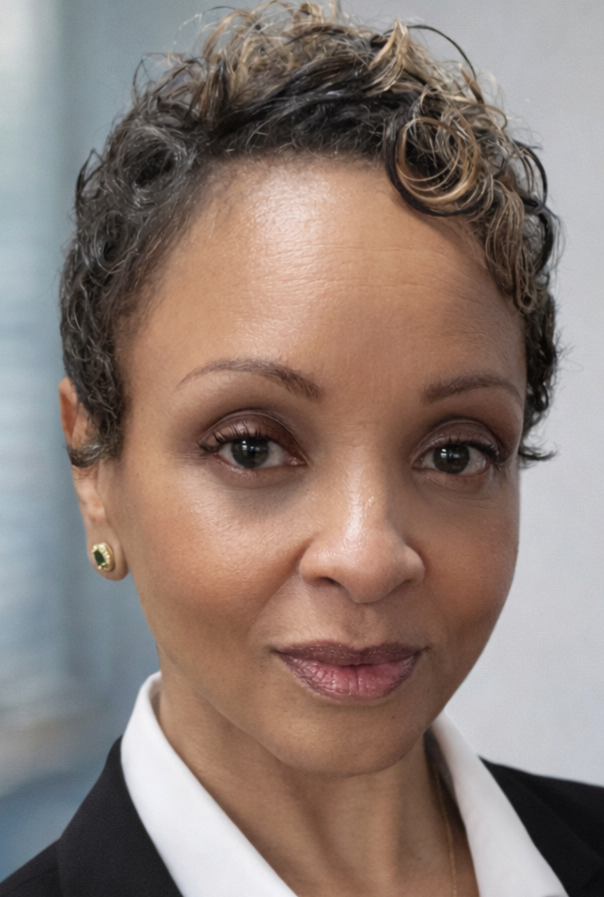
Ramona Branch Oliver
U.S. Department of Labor
Ramona Branch Oliver is the Director of the Office of Information Services (OIS) within the Office of the Solicitor at the U.S. Department of Labor (DOL). She leads the Department’s centralized strategy for advancing the Freedom of Information Act (FOIA) and Privacy Act programs, overseeing agency-wide efforts to strengthen compliance, improve performance, and modernize operations. Under her leadership, OIS was established as the focal point for coordinating FOIA and Privacy Act program improvement initiatives across DOL. Prior to joining DOL, Oliver led the FOIA, Privacy Act, and PII Awareness programs at the National Archives and Records Administration (NARA), where she promoted government-wide best practices in transparency, privacy protection, and records management. As a recognized leader in the access community, Oliver has more than three decades of experience shaping policy, delivering training, and advising federal agencies and private organizations on FOIA, Privacy Act, records management and information governance matters. She served on the inaugural Federal FOIA Advisory Committee (2014–2016) and remains an active member of the American Society of Access Professionals (ASAP), currently serving on its Education Committee.
Laurie Ortolano
New Hampshire FOI advocate
Laurie Ortolano is a Nashua, New Hampshire, resident and long-time advocate for open government and First Amendment rights. Her public-records work began with a property tax assessment challenge that uncovered serious technical deficiencies in Nashua’s assessing office, ultimately resulting in sanctions against three assessors and three years of state oversight to correct systemic failures. She has successfully represented herself in multiple Right-to-Know cases, including prevailing at the New Hampshire Supreme Court. Ortolano has also challenged secrecy surrounding the financing and construction of Nashua’s Performing Arts Center, where taxpayer funds were commingled through a private corporate structure. Although she initially lost at the trial court level, she prevailed on appeal, securing Supreme Court review of whether the entity was performing a governmental function subject to public disclosure. She is the recipient of the 2023 Nackey Loeb First Amendment Award and the 2025 New England First Amendment Coalition Citizen Award.
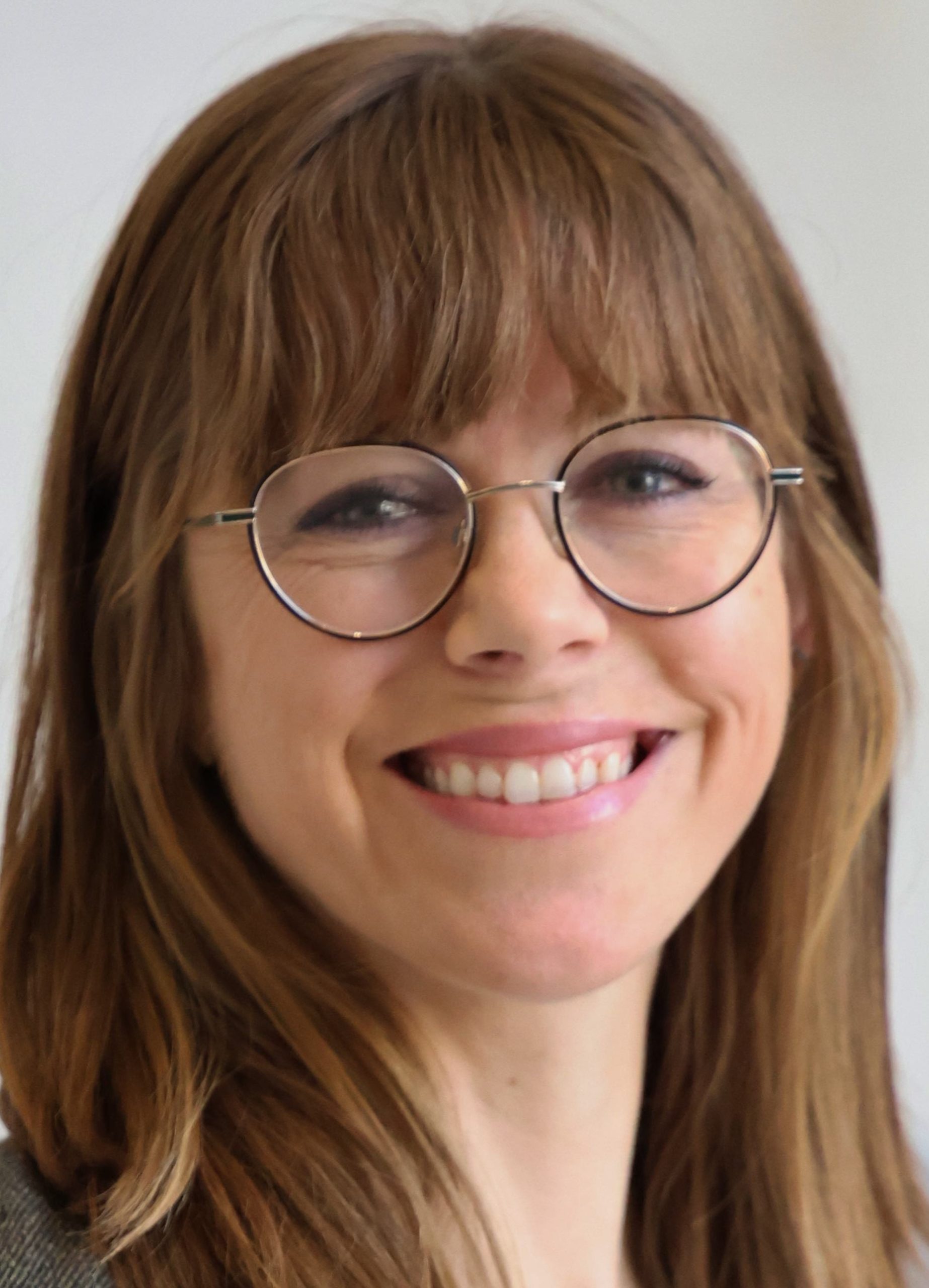
Molly O’Toole
Independent journalist
Molly O’Toole is a Pulitzer Prize-winning journalist and author from San Diego, California. She most recently worked as the Immigration and Security Reporter for The Los Angeles Times, in Washington, D.C. She is currently working on a nonfiction book about migration from around the world, through Latin America, to the U.S. border, with Crown Publishing, a Penguin Random House imprint. She is also an instructor at Georgetown University, and a fellow at the Library of Congress and the Watchdog Writers Group at the University of Missouri.
Barbara Petersen
Florida Center for Government Accountability
A passionate advocate of the public’s right to oversee its government and hold it accountable for its actions, Barbara Petersen is co-founder and CEO of the Florida Center for Government Accountability, publisher of the Florida Trident. Prior to her work with FLCGA, Petersen served as president of Florida’s First Amendment Foundation for 25 years. She chaired Governor Crist’s Commission on Open Government Reform and is the recipient of numerous awards, including the 2023 Above & Beyond award from News Service of Florida/City & State, the Lifetime Achievement Award from the Media and Communications Law Committee of the Florida Bar (2019), and the prestigious Eileen Cook Award from the American Library Association (2018). In 2021, Petersen was inducted into Heroes of the 50 States: The State Open Government Hall of Fame. She is a graduate of the University of Missouri-Columbia and Florida State University College of Law.
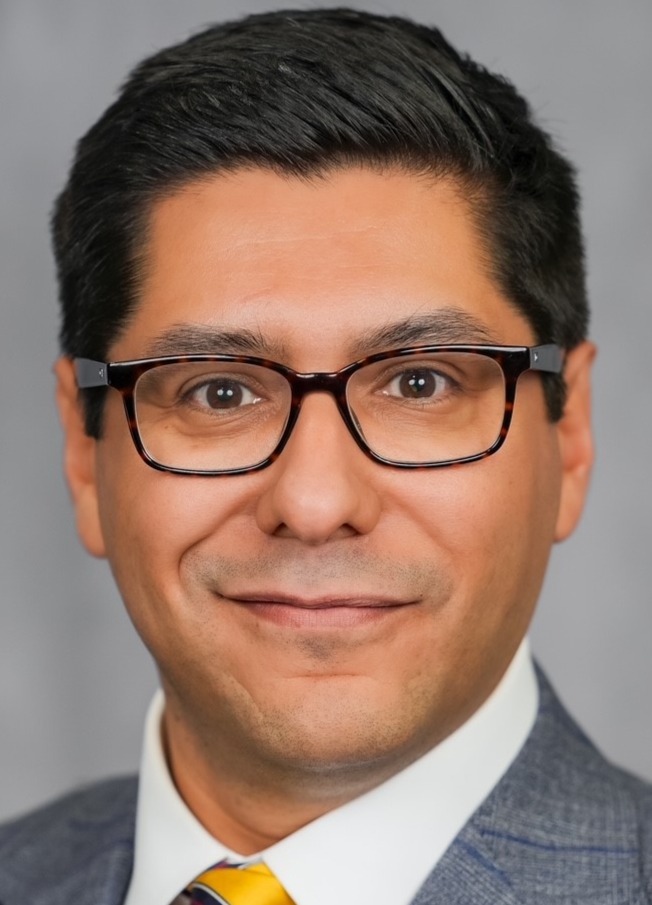
Raul Pinto
American Immigration Council
Raul Pinto is the Deputy Legal Director for Transparency at the American Immigration Council. He leads the Council’s government transparency work, which includes transparency-related litigation, publication of best practice materials, and advocacy. His work focuses on promoting transparency in the field of immigration by uncovering agency records through the Freedom of Information Act (FOIA) that will advance litigation, advocacy, and research efforts in support of the Council’s mission. In this role, he also supports litigators, open-government organizations, and other advocates to strengthen collaboration among entities involved in transparency in the immigration space. Previously, Raul was a Senior Attorney with the North Carolina Justice Center representing low-income immigrants at all stages of their immigration journey. Before that, he was a staff attorney at the ACLU of North Carolina. Raul holds a J.D. from City University of New York School of Law and a B.A. from Rutgers University.
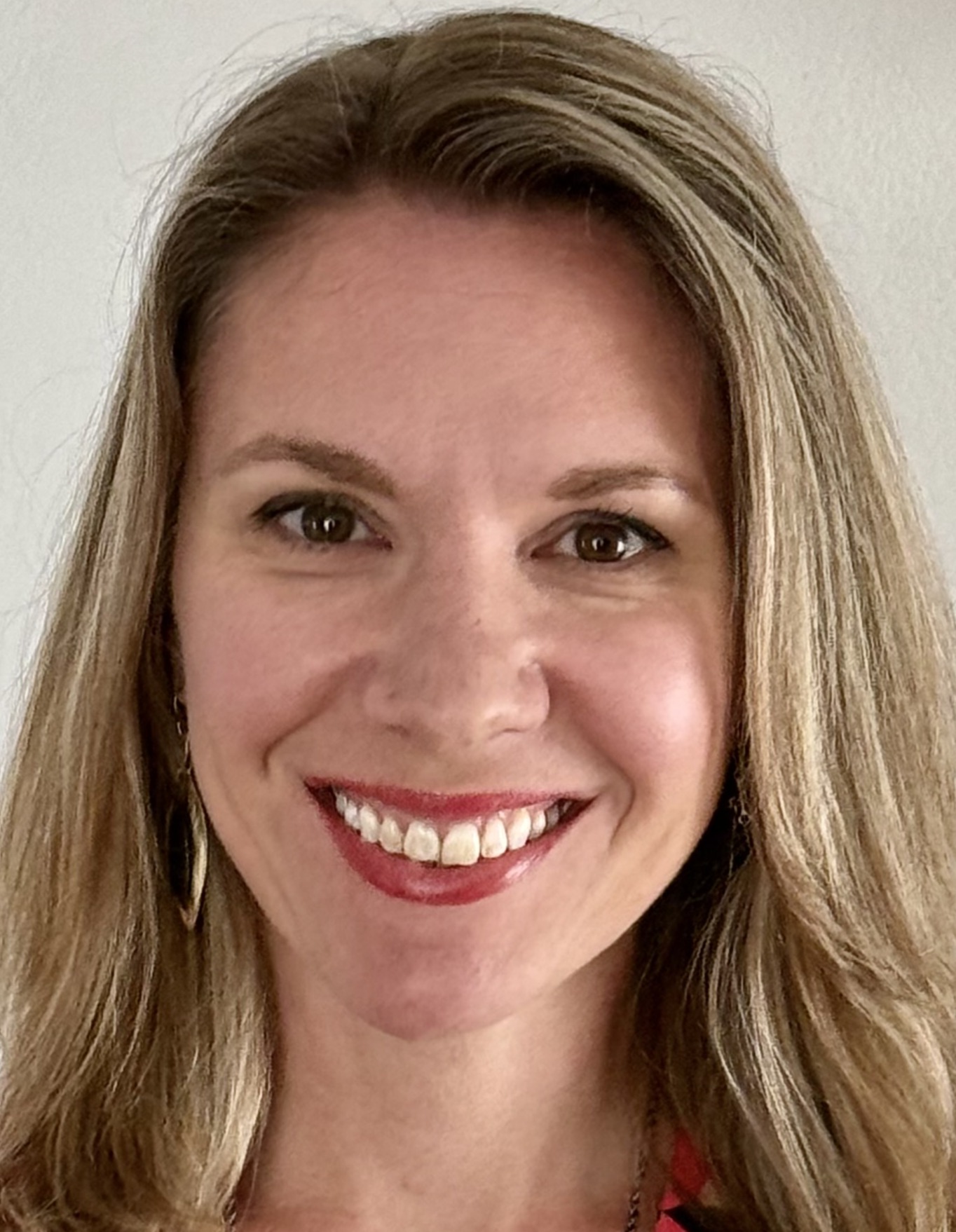
Ginger Quintero-McCall
Free Information Group
Ginger Quintero-McCall is a partner and co-founder of the Free Information Group (https://freeinformationgroup.com), a public interest law firm focused on affordable and accessible Freedom of Information Act litigation. She has worked as both a government public records attorney and an attorney for the requester community. Ms. Quintero-McCall served as Oregon’s first Public Records Advocate, has twice served on the FOIA Federal Advisory Committee, and has taught a course on the Law of Open Government at Georgetown University Law Center. Ms. Quintero-McCall received her law degree from Cornell Law School and graduated magna cum laude from the University of Pittsburgh.
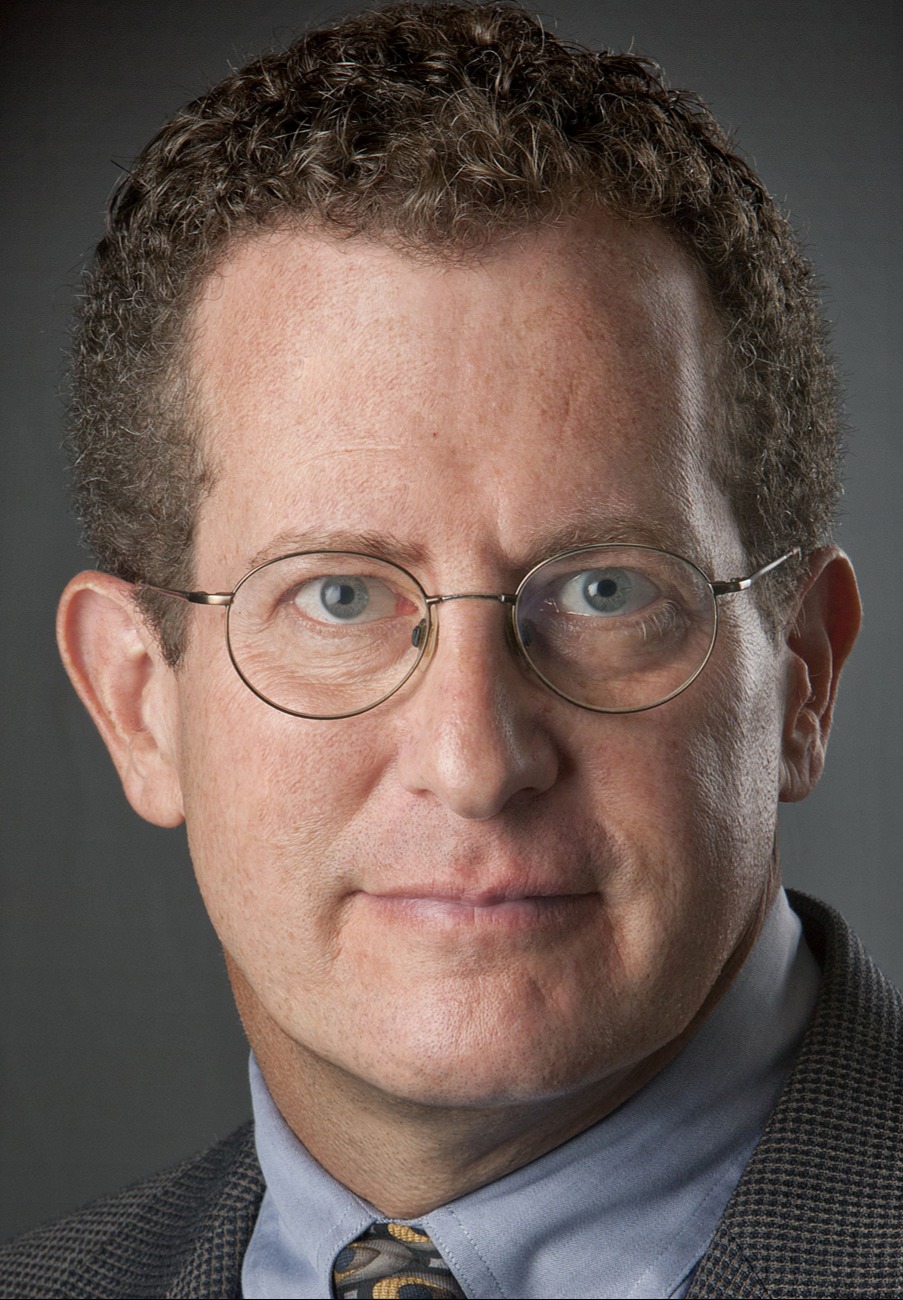
Jeffrey A. Roberts
National Freedom of Information Coalition
Jeffrey A. Roberts is board president of the National Freedom of Information Coalition and executive director for the Colorado Freedom of Information Coalition. He worked in journalism and public policy before coming to CFOG in July 2013. He was at The Denver Post from 1984-2007 as a reporter, assistant city editor and data journalism specialist on The Post’s projects team and later spent four years at the University of Denver’s Center for Colorado’s Economic Future. Early in his career, Roberts was a reporter at the News-Press in Fort Myers, Fla. He holds bachelor’s and master’s degrees from Northwestern University.
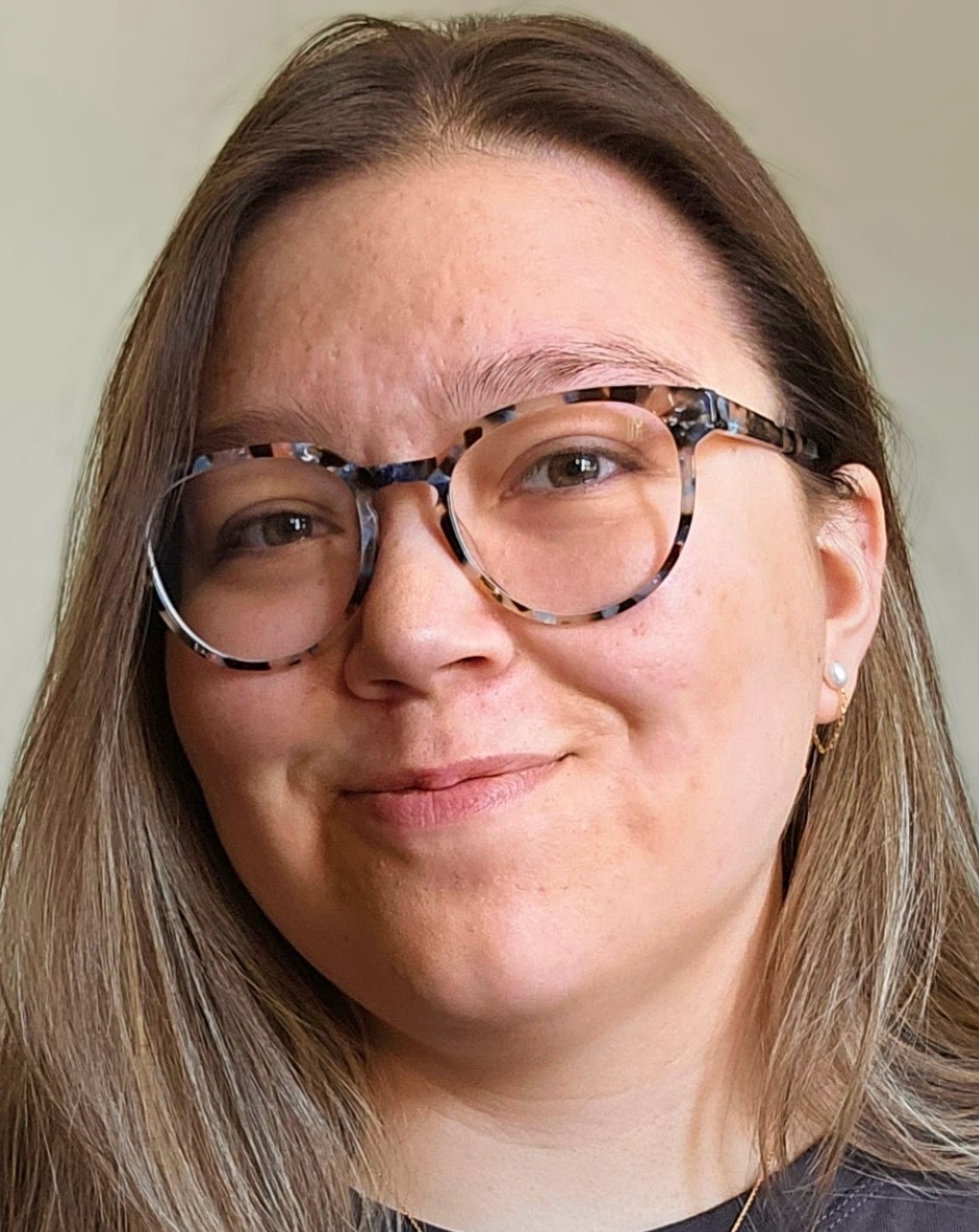
Cam Rodriguez
Investigative journalist
Cam Rodriguez is a data and investigative reporter based in Chicago, and most recently was Local Investigations Fellow at The New York Times. She has worked with teams at MuckRock, Chalkbeat, USA TODAY, South Side Weekly, Freep, WTTW and the Better Government Association. When she’s not digging in archives or making another pot of coffee, she’s usually playing with maps, watching rom-coms, or exploring the Midwest with her dog.
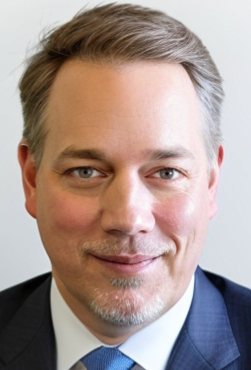
Carl Roller
U.S. Food and Drug Administration
Carl Roller serves as a Program Specialist for eDiscovery at the U.S. Food and Drug Administration, where he provides strategic oversight of eDiscovery contractor services while developing and implementing innovative technology solutions for FDA litigators and FOIA officers. With over 15 years of experience in litigation support and eDiscovery—including roles as a Relativity Certified Administrator and former employment law attorney—Carl has helped position the FDA at the forefront of federal AI adoption through his development of a proof-of-concept using Relativity’s aiR for Review to significantly accelerate FOIA processing. His work directly supports Executive Order 14319 and the Secretary’s transparency initiatives, while his innovations in on-demand training, customer portals, and legal hold management have streamlined the agency’s litigation and FOI support workflows. Carl holds a J.D. from Northeastern University School of Law and is admitted to practice in the District of Columbia.
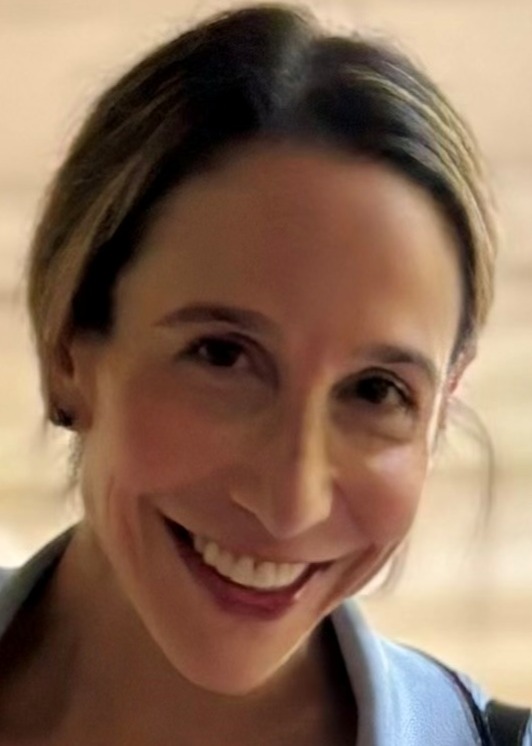
Lily Roos
Bloomberg News
Lily Roos is newsroom counsel at Bloomberg News, where she advises Bloomberg’s newsroom of 3,000 journalists and analysts on a range of legal issues that arise from the creation and publication of news across a various platforms. She also oversees the newsroom’s public records efforts, including its portfolio of FOIA litigations. She started her legal career as a commercial litigator at a large law firm before clerking for a federal judge in the Eastern District of New York. Before joining Bloomberg, she previously served in newsroom advisory roles at CBS News and Vice News.
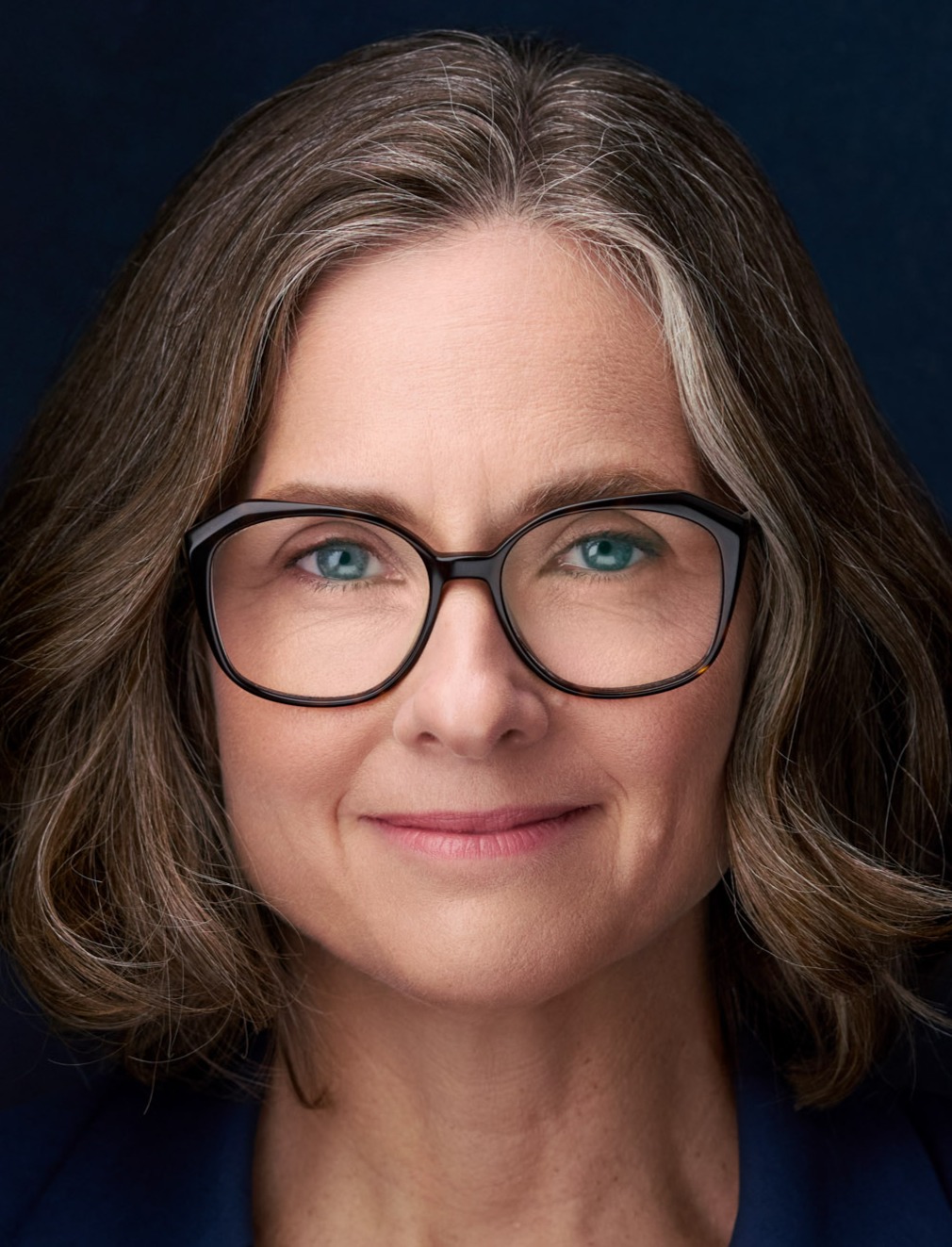
Denice Ross
Federation of American Scientists
Denice Ross is a Senior Fellow at the Federation of American Scientists, focused on building a more resilient national data infrastructure. Most recently, Denice served as the Deputy U.S. Chief Technology Officer and as the U.S. Chief Data Scientist, where she led the charge to use disaggregated data to drive better outcomes for all Americans. Denice’s 25-year career in using data to serve the public interest has spanned federal and local government, academia, and the nonprofit sector, plus domains ranging from climate to policing. She served as a Presidential Innovation Fellow for the U.S. Department of Energy and as Director of Enterprise Information for the City of New Orleans. Prior to government, Denice co-directed the non-profit data intermediary Data Center, where she collaborated with Brookings to track New Orleans’ recovery from Hurricane Katrina. She brought a data-driven approach to numerous post-Katrina community planning initiatives and co-founded the first new childcare center after the storm.
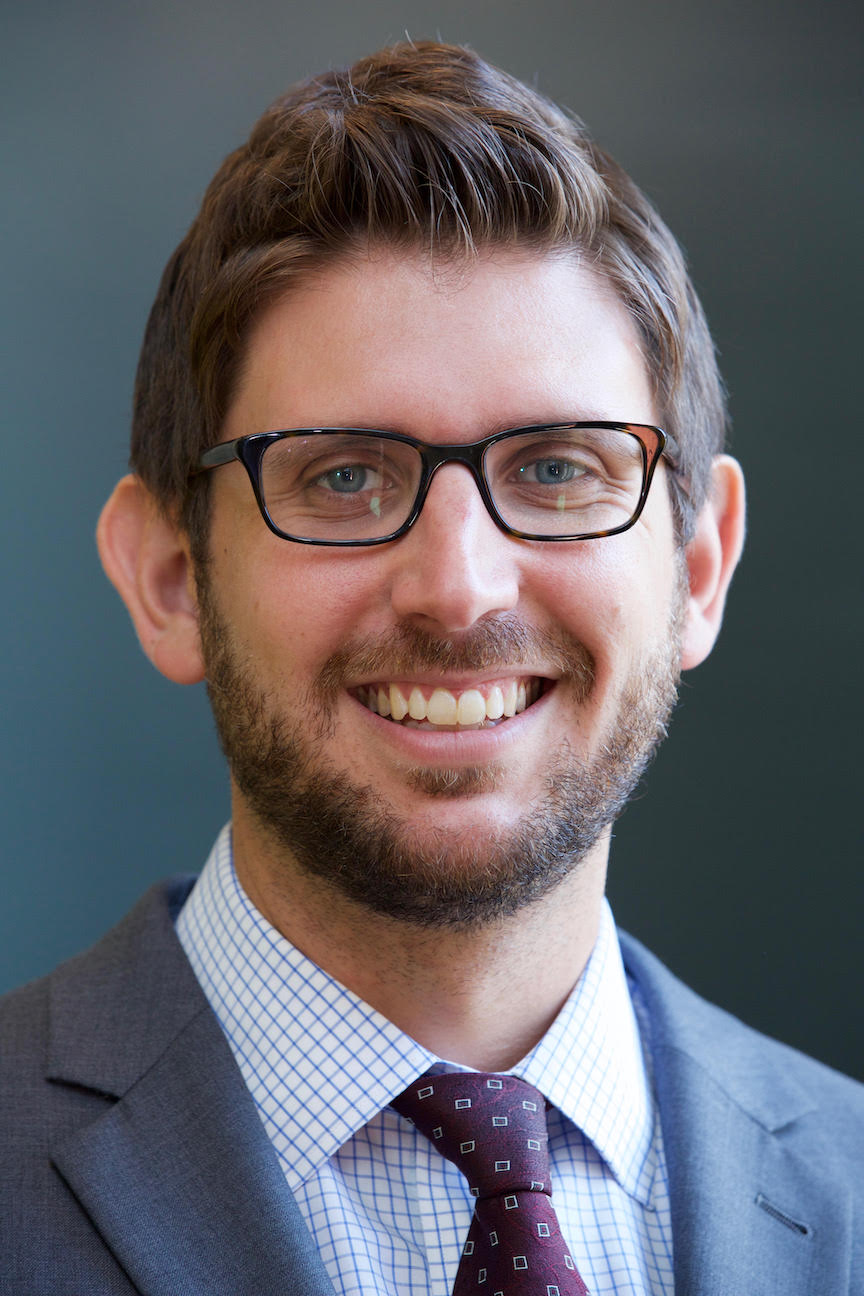
Gabe Roth
Fix the Court
Gabe Roth is executive director of Fix the Court, a 501(c)(3) organization he founded in 2014 that advocates for non-ideological fixes to make the federal courts, and primarily the U.S. Supreme Court, more open and more accountable to the American people. Before that, Gabe worked in political consulting in New York, Chicago and Washington, D.C., and as a TV news producer in Florida. Originally from Nashville, Gabe has an undergraduate degree from Washington University in St. Louis and a master’s from Northwestern University’s Medill School of Journalism.
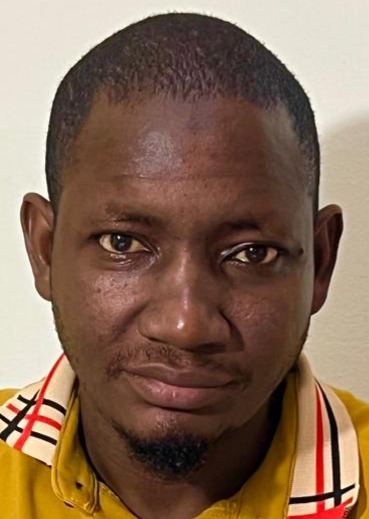
Haruna Mohammed Salisu
WikkiTimes (Nigeria)
Haruna Mohammed Salisu is a Nigerian journalist and the founder of WikkiTimes, a local newsroom amplifying voices in northern Nigeria. Currently pursuing graduate studies in Journalism at Indiana University Bloomington, USA, Haruna’s research explores media law, press freedom, and the sustainability of local journalism, with a focus on Strategic Lawsuits Against Public Participation (SLAPPs). Haruna received several threats, including death threats, and endured nine SLAPP-style lawsuits in Nigeria. Under Haruna’s leadership, WikkiTimes became the first Nigerian outlet to join Reporters Shield, a global protection mechanism designed to defend journalists from vexatious legal attacks and safeguard press freedom. In recognition of his courageous journalism, he received the Torch Bearer of Press Freedom Award from the Nigeria Union of Journalists (NUJ). His experiences inform both his academic inquiry and advocacy, bridging media law, policy, and journalism to strengthen press freedom and democratic accountability in emerging societies.
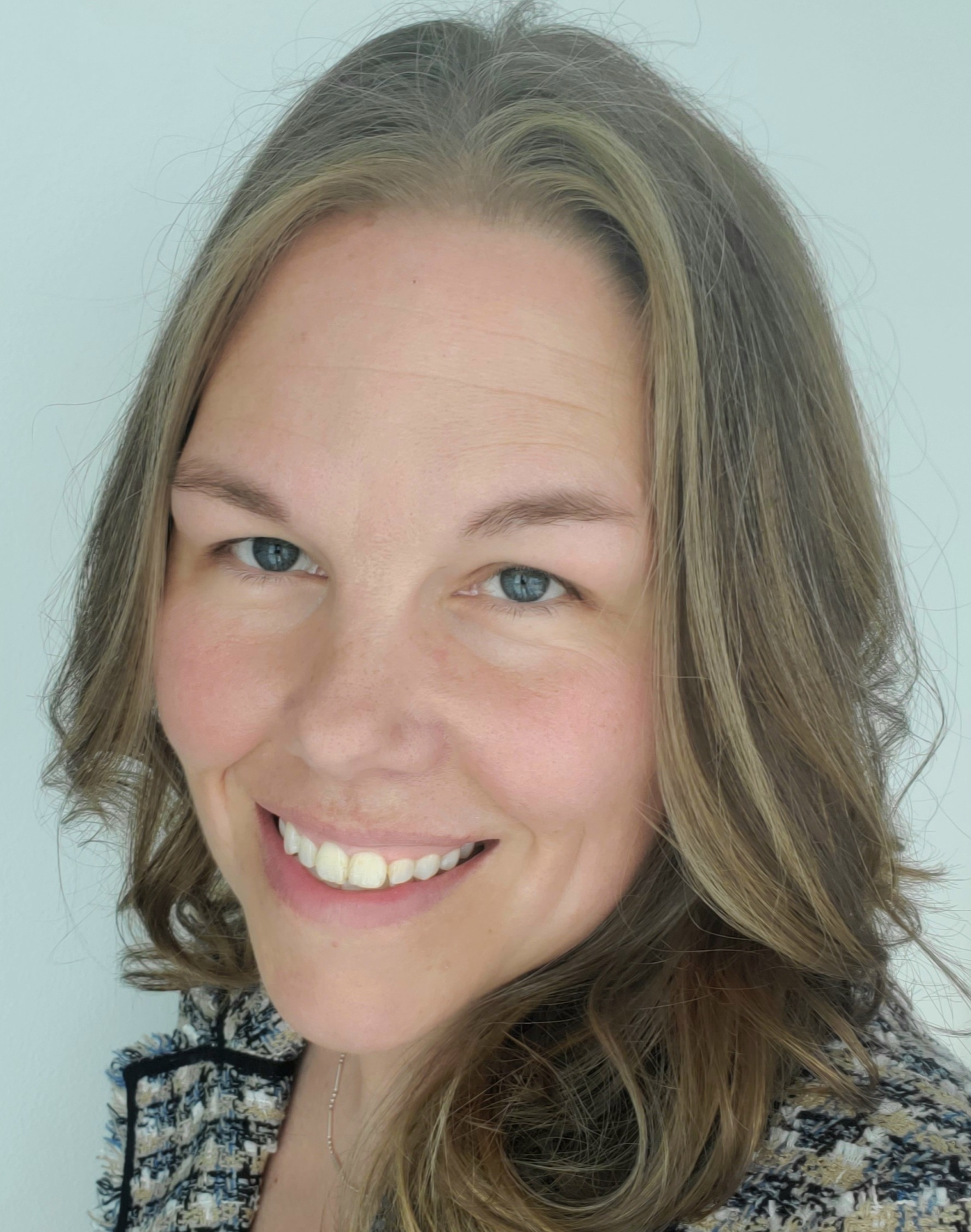
Amy Kristin Sanders
Pennsylvania State University
Amy Kristin Sanders is the John and Ann Curley Chair in First Amendment Studies at Penn State. A licensed attorney and award-winning former journalist, Sanders’ expertise includes media freedom, access to information and government transparency, freedom of speech and the regulation of social media and emerging technologies. She regularly serves as an expert witness and consultant to Fortune 500 companies on media law and ethics issues, and she counsels international governments and law firms regarding regulatory proceedings, policy development and pending litigation. She holds a Ph.D. in mass communication from the University of Florida and a JD from the University of Iowa.
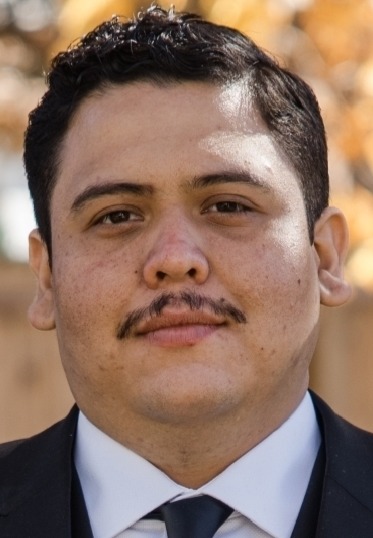
Nicholas Santos
MuckRock
MuckRock Operations and Support Specialist Nicholas Santos assists with customer support inquiries, processing public records requests, and acts as a resident FOIA Expert. He started working in the government transparency industry in June 2020, first as a FOIA Officer for the Federal Emergency Management Agency, and then at the United States Coast Guard where he co-managed a team of several FOIA Analysts specializing in FOIA processing. He enjoys talking all things FOIA and smoking briskets in his backyard. You can reach out to him at nicholas@muckrock.com.
Michael Sarich
FOIA University
Michael Sarich is the Founder of FOIA University and a leading authority on government transparency and public disclosure. FOIA University trains the practitioners who make transparency work, combining legal expertise, technological innovation, and strategic leadership to strengthen trust in our institutions. A lawyer and Army veteran, Michael served as Director of the Department of Veterans Affairs’ FOIA Service, where he spearheaded modernization efforts that transformed one of the largest FOIA programs in the federal government. Under his leadership, VA was recognized by the Government Accountability Office as the leading federal department for backlog reduction, setting new standards for efficiency, technology adoption, and public access. Co-founder of the Chief FOIA Officer’s Technology Committee, Michael has a long history of integrating technology into government processes for optimization and improvement, championing workflow automation, AI-assisted redaction, and data-driven case management to reduce delays and rebuild public trust. Through FOIA University, he is building the infrastructure for a new era of transparency professionals, delivering practical training on backlog reduction, eDiscovery workflows, and emerging technologies while advancing thought leadership on AI-driven disclosure and proactive transparency. A three-time University of Maryland graduate and former city councilman, Michael brings the same commitment to service that shapes his work as a father, baseball coach, and Scout leader, believing in empowering others with the tools and trust they need to succeed.
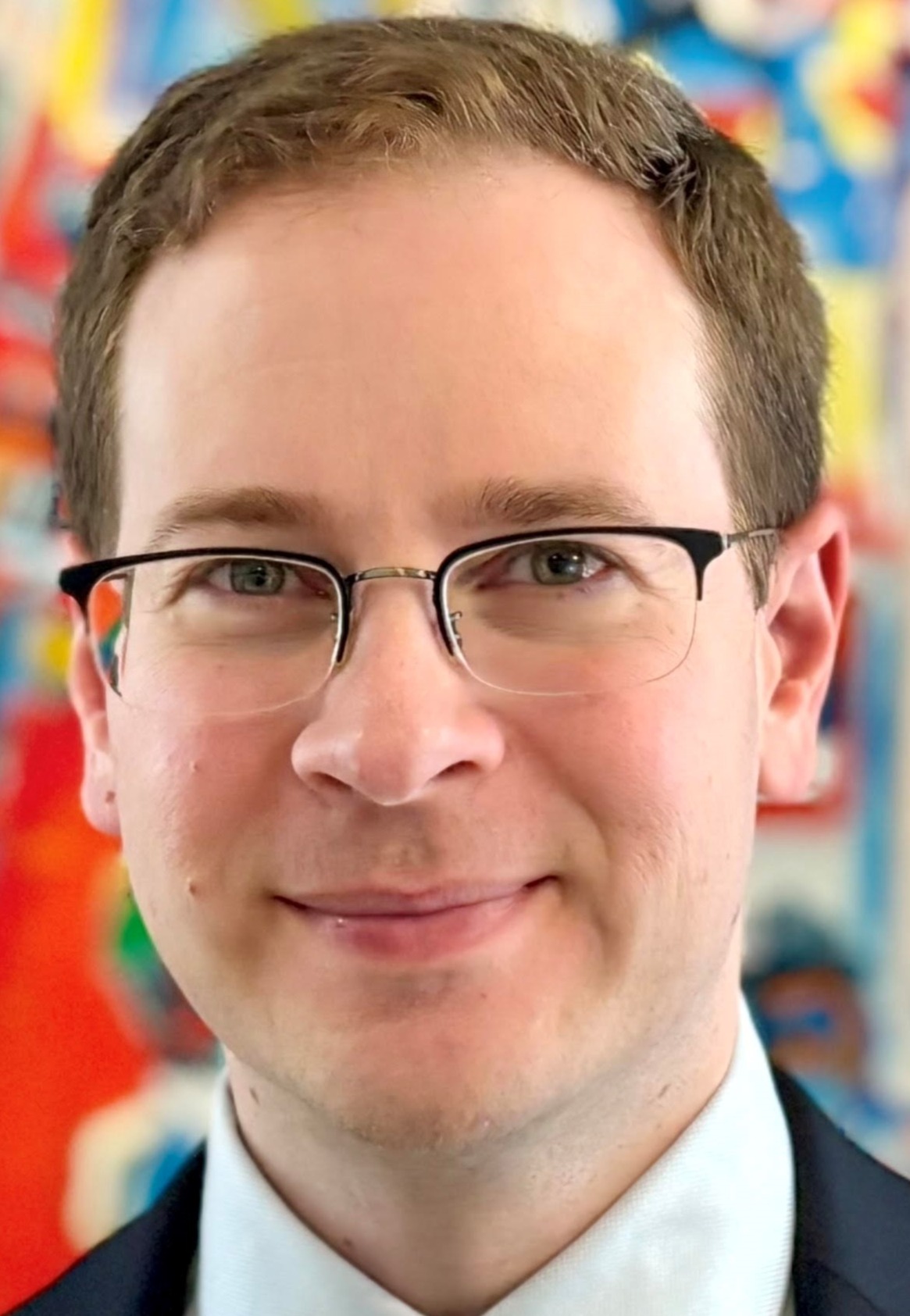
Daniel Schuman
American Governance Institute
Daniel Schuman is the founder and Executive Director of the American Governance Institute, which develops ideas and educates policymakers on innovative approaches to strengthening American democracy, state capacity, and federal governance. His work focuses on the legislative branch, including transparency, appropriations, congressional rules, and institutional capacity, as well as the use of data and technology to modernize government. He is the founder and editor of the First Branch Forecast newsletter, the creator of EveryCRSReport, a co-founder of the Congressional Data Coalition, and a convener of the Open Government Roundtable, and he previously served as chair of the Open Government Federal Advisory Committee. He routinely testifies before Congress, is frequently quoted by the press, and teaches on U.S. government and public policy.
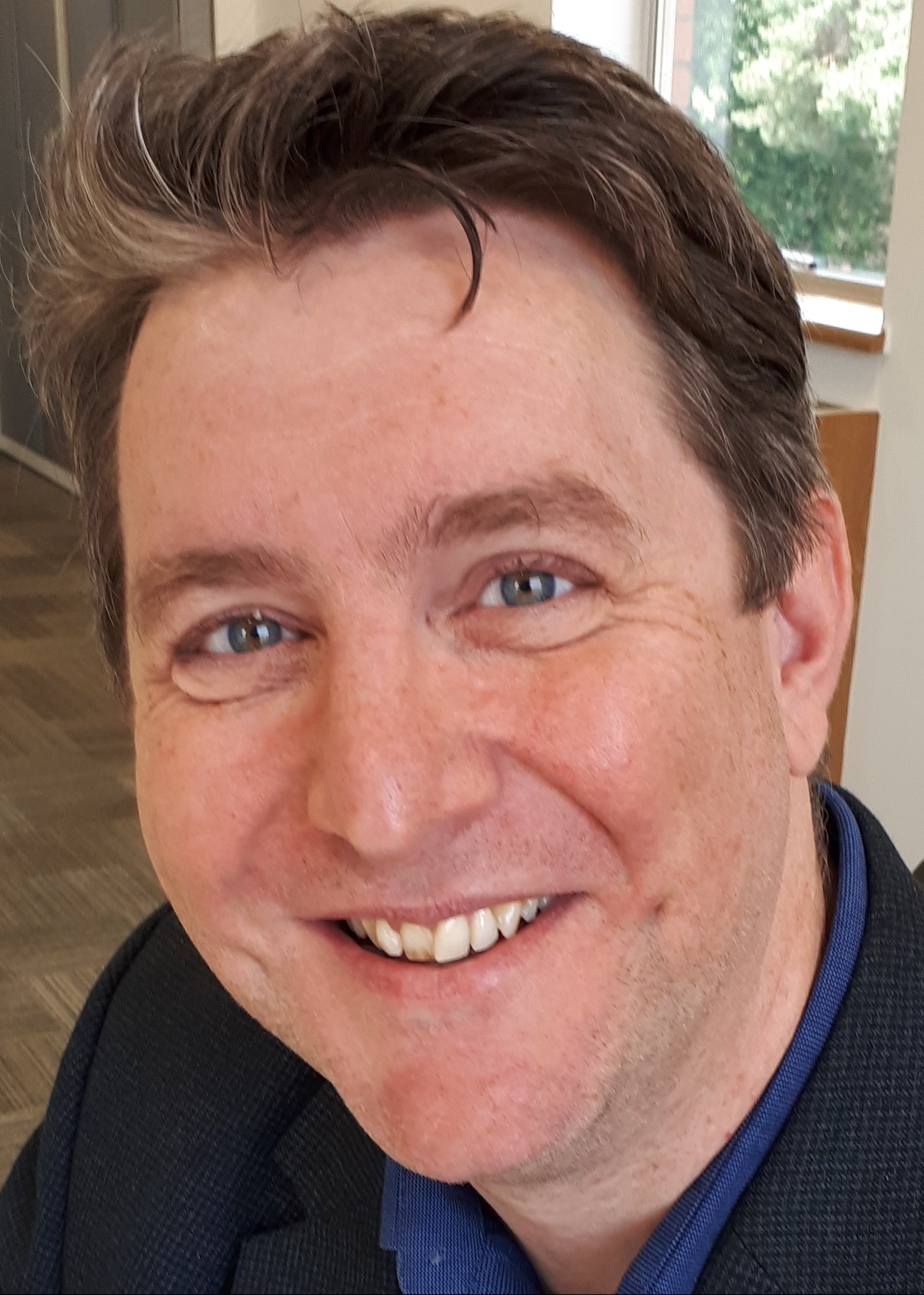
Warren Seddon
United Kingdom Information Commissioner’s Office
Warren Seddon joined the UK’s Information Commissioner’s Office in May 2021 where he leads on work related to the Freedom of Information Act and Environmental Information Regulations. This includes oversight of the casework teams that make decisions on complaints about the handling of information requests by public bodies, as well as all related policy, enforcement and upstream regulation work. He joined the ICO from his role as Director of Strategy, Insight and Communications at the Parliamentary and Health Service Ombudsman, where he had been since 2017. Before that he was at the Electoral Commission and held a number of roles in the UK Civil Service. He is also the Chair of the UK Waterways Ombudsman.
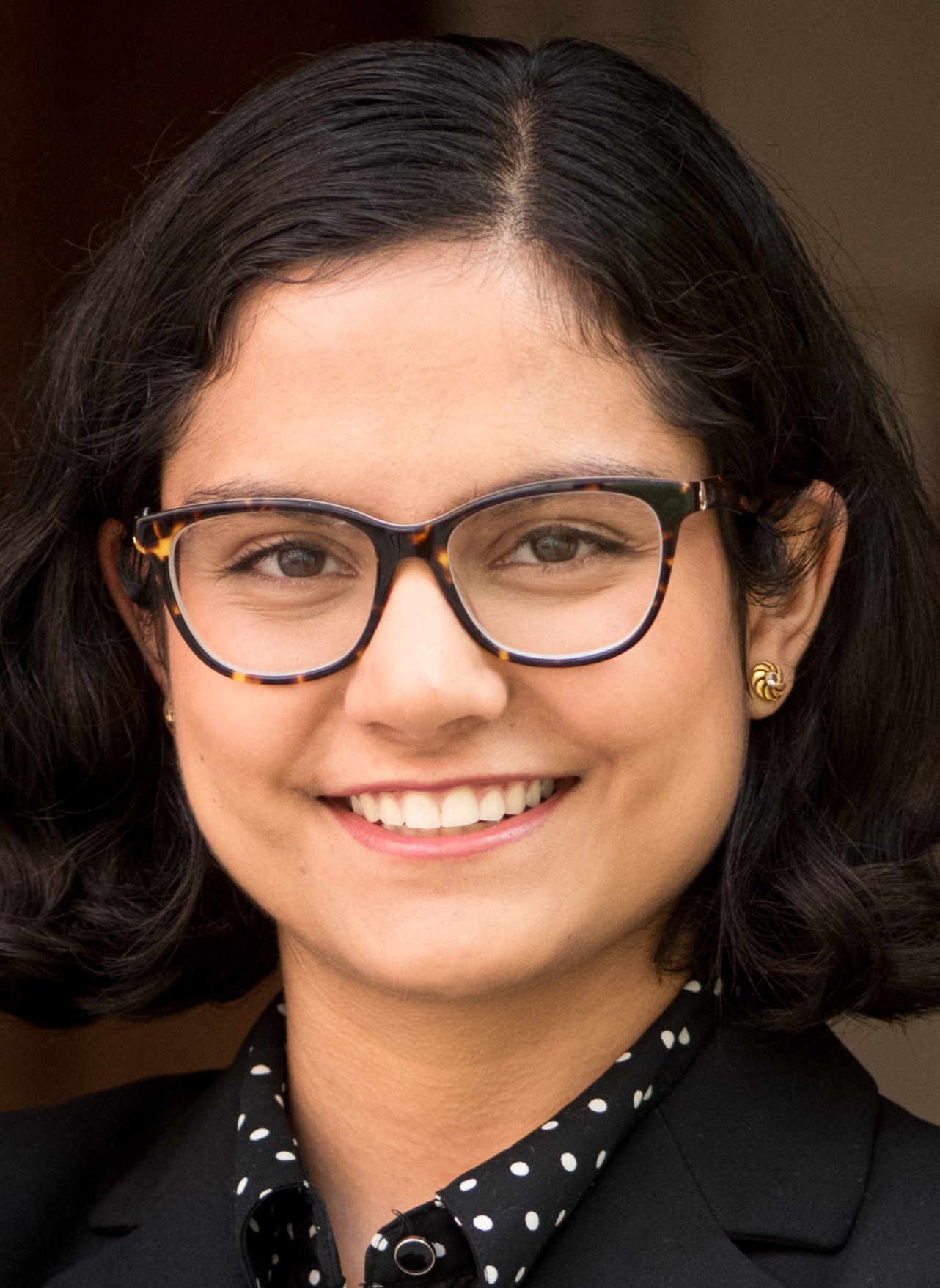
Anna Selbrede
Yale University
Anna Selbrede is a third-year J.D. student at Yale Law School interested in developing mechanisms to promote government transparency and accountability. Anna is a Student Director for the Media Freedom and Information Access Clinic, where she has litigated a FOIA pattern-or-practice claim against the State Department and advocated for the right of access to judicial records. During her summers, Anna interned for Hecker Fink LLP and the Appellate Staff of the U.S. Department of Justice, Civil Division. Before law school, she worked as a paralegal in the Educational Opportunities Section of the Department of Justice, Civil Rights Division. Anna holds a B.A. in Anthropology and Public Policy from the University of Chicago.
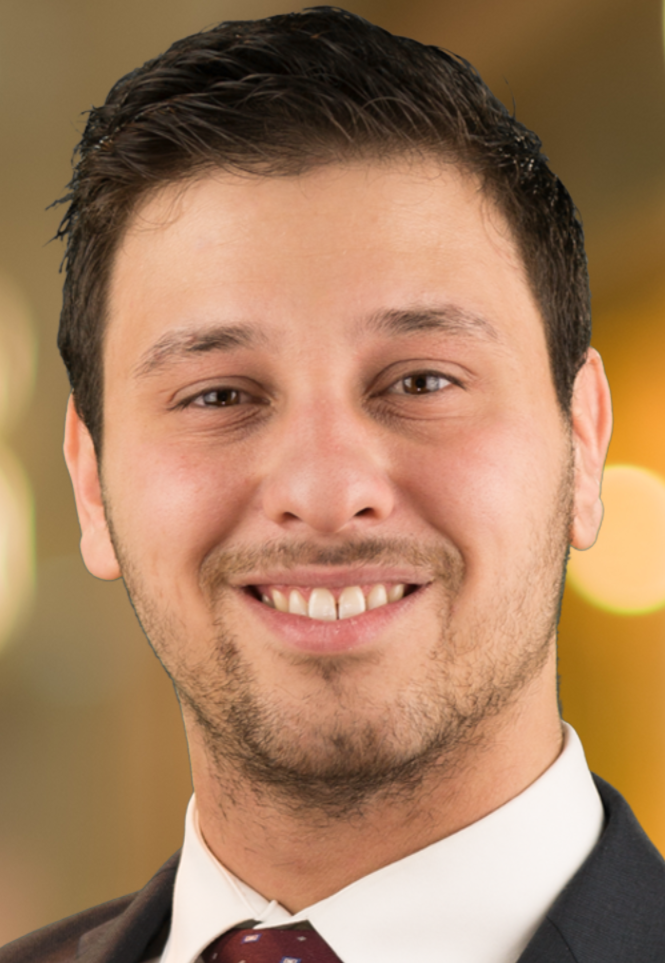
Nicholas A. Smarra
Connecticut Freedom of Information Commission
Nicholas A. Smarra is a staff attorney at the Connecticut Freedom of Information Commission, an independent agency that adjudicates disputes and issues binding decisions regarding public access to government records and meetings. In that role, Smarra serves as a hearing officer, mediator, and appellate counsel. Prior to his time at the Commission, Smarra represented school district and municipal clients in New York, advising them on a number of issues including access to public records and open meetings.
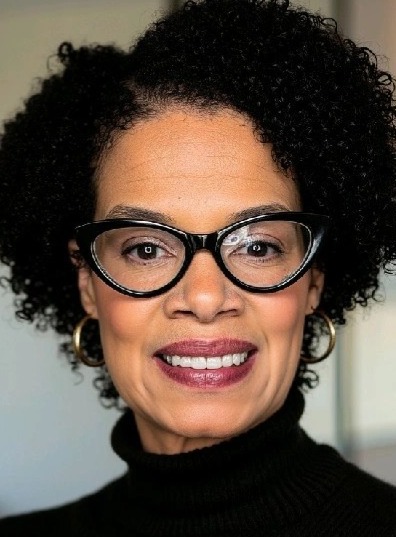
Kimberly Spencer
Colorado Media Project
Kimberly Spencer is a fundraising strategist and media sustainability leader dedicated to building strong, community-rooted journalism. With over 20 years of experience across the nonprofit and media sectors, she directs the Colorado Media Project, where she supports news organizations through collaborative initiatives, coaching, and revenue strategy. Kimberly holds a Master’s in Organizational Leadership and is a Certified Fundraising Executive (CFRE). Beyond her work at CMP, she serves as Advisory Chair of the HBCU Digital Media Collaborative and on the boards of Open Vallejo and the Alternative Newsweekly Foundation, working alongside partners to ensure access to trusted, independent news and civic information.
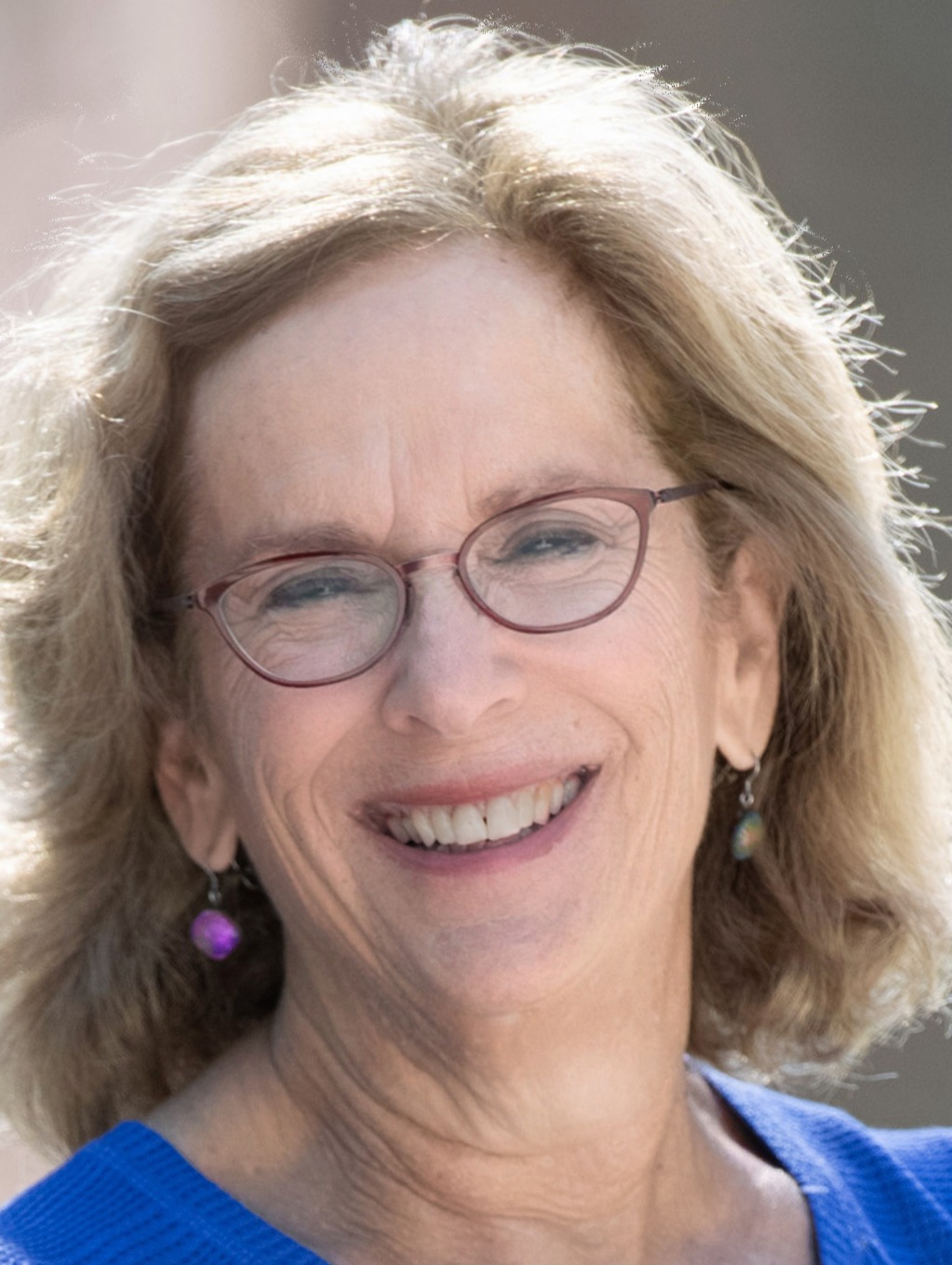
Miranda Spivack
D.C. Open Government Coalition
Miranda Spivack is the author of “Backroom Deals in Our Backyards: How Government Secrecy Harms Our Communities and the Local Heroes Fighting Back”(The New Press 2025). She formerly worked at The Washington Post as an editor and reporter on the Metro desk. Her work also has appeared in Reveal from the Center for Investigative Reporting, The New York Times and the McClatchy newspapers. She is vice president of the D.C. Open Government Coalition.
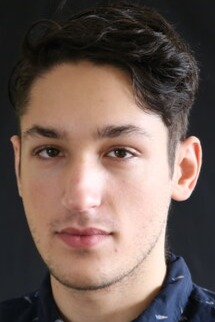
Sam Stecklow
Invisible Institute
Sam Stecklow is an investigative journalist and FOIA fellow with Invisible Institute, a nonprofit public accountability journalism organization based in Chicago. He works both on the organization’s investigatory projects as well as its public data tools, including the Civic Police Data Project and the National Police Index, the latter of which he is a co-lead of. His work has been recognized with the Sunshine Award from the Utah SPJ, among others. He is currently based in Orlando.
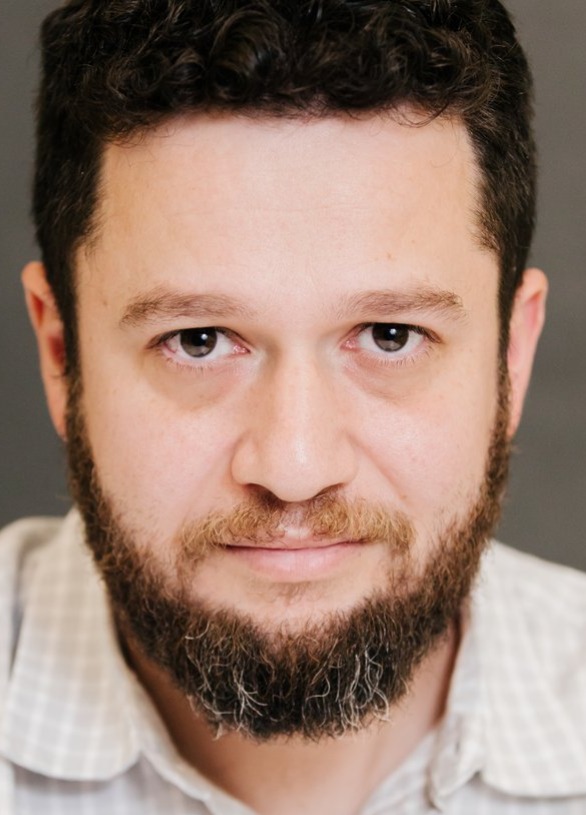
Seth Stern
Freedom of the Press Foundation
Seth Stern is the chief of advocacy at Freedom of the Press Foundation. Seth’s articles about press freedom have been published by outlets like The Guardian, The Intercept, Rolling Stone and Columbia Journalism Review, as well as local newspapers in his hometown of Chicago and around the country. Seth and FPF’s advocacy team work in collaboration with everyone from independent bloggers and incarcerated journalists to major national news outlets and civil liberties organizations to promote laws and policies that allow public-interest journalism to thrive. Before joining FPF, Seth practiced media and First Amendment law for 13 years.
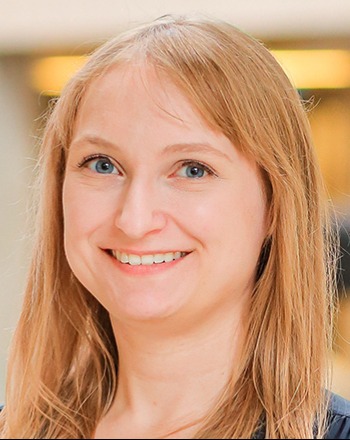
Samantha Sunne
University of Florida Brechner Freedom of Information Project
Samantha Sunne is coordinator of the Brechner Freedom of Information Project’s Secrecy Tracker, which monitors legislation across the U.S. regarding access to public records and meetings. She is author of the textbook “Data + Journalism: A Story-Driven Approach to Learning Data Reporting,” now being published in its second edition. She is a freelance journalist based in New Orleans, specializing in data and investigative techniques. Sunne teaches at conferences, universities and newsrooms around the world. As a freelance reporter, she is the recipient of several national grants and awards for investigative reporting, and has worked with publications including ProPublica, the Poynter Institute and the Washington Post. As an instructor, she has designed tutorials and curricula for organizations like including Investigative Reporters & Editors (IRE), the Society of Professional Journalists (SPJ) and the Nieman Foundation for at Harvard. Sunne also publishes the popular Tools for Reporters newsletter, which recommends a new tool for journalism every other week. The newsletter recently reached its 10th anniversary and was named one of the most popular newsletters in the news industry by Revue.
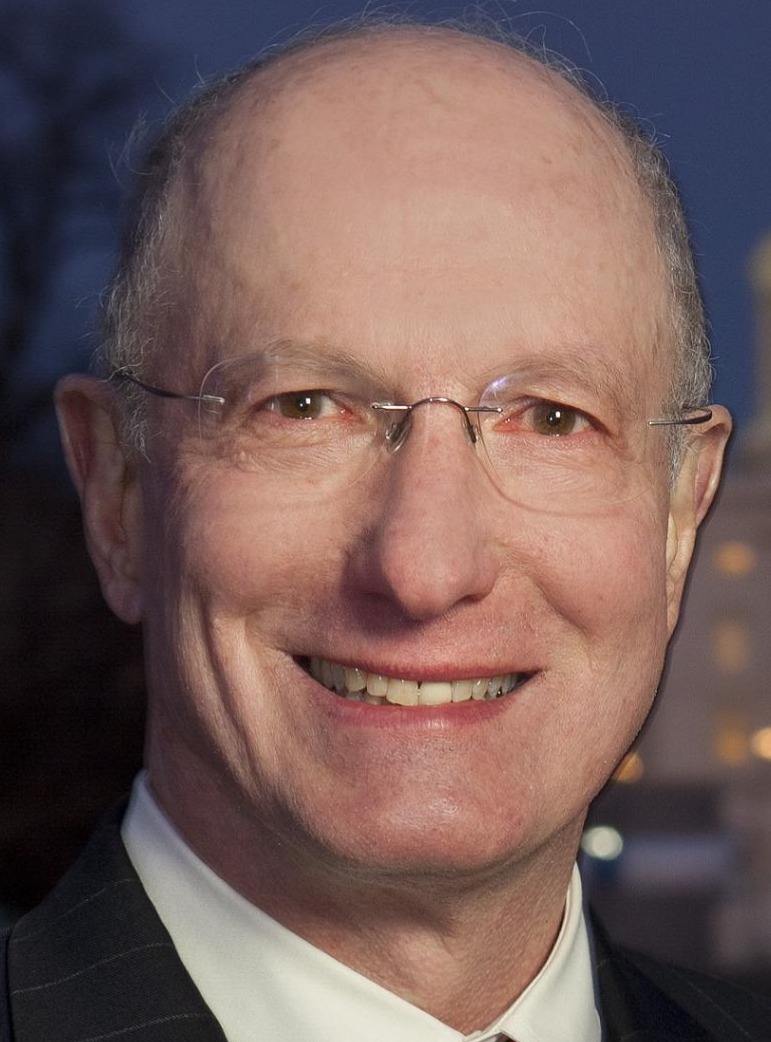
Thomas H. Susman
American Bar Association
Thomas M. Susman is the American Bar Association’s Strategic Advisor for Global Programs and Governmental Affairs. He assumed that role after retiring in 2018 as the Director of the Governmental Affairs Office and Associate Executive Director of the ABA, a position he held since May 2008. Prior to joining the ABA, he was a partner in the Washington Office of Ropes & Gray LLP for 27 years and served for 12 years before that as general counsel of Senate Judiciary subcommittees and the full committee under the chairmanship of Senator Edward Kennedy. Tom created and now co-edits The lobbying Manual (in its 6th edition); served as an adjunct professor at The American University’s Washington College of Law; and chairs the Ethics Committee of the National Institute for Lobbying and Ethics (NILE). His articles address lobbying reform, reciprocity, contingent fee lobbying, and campaign contributions. He has also written, taught, and lectured both in the U.S. and abroad on transparency, access to government information, and administrative law. Tom chaired the Administrative Law Section of the ABA and served in the ABA’s House of Delegates and on its Board of Governors. He is a member of the American Law Institute, was Chairman of the National Judicial College Board, was president of the District of Columbia Public Library Foundation, and is Founding President of the D.C. Open Government Coalition. In 2024 he received the first Best Lobbyist Lifetime Achievement award from NILE. He is a graduate of Yale University and received his J.D. from the University of Texas Law School.

Bobak (Bobby) Talebian
Former director, U.S. Department of Justice Office of Information Policy
Bobak (Bobby) Talebian began served as the Director of the Office of Information Policy (OIP) of the U.S. Department of Justice from February 2020 to March 2025. OIP is responsible for developing policy guidance for Executive Branch agencies on the Freedom of Information Act (FOIA), providing legal counsel and training to agency personnel on the procedural and substantive aspects of the Act, and for overseeing agency compliance with the law. OIP also manages the Department of Justice’s obligations under the FOIA. This includes adjudicating administrative appeals from denials of access to records made by Department components under the FOIA or the Privacy Act of 1974; handling initial requests for records of the Offices of the Attorney General, Deputy Attorney General and Associate Attorney General, as well as other Senior Management Offices; providing staff support for the Department Review Committee, which reviews Department of Justice records containing classified information; and handling the defense of certain FOIA matters in litigation. Before becoming Director, Talebian served as Acting Director and Acting Chief of Staff of OIP. Prior to these roles, Talebian served as the first Chief of OIP’s FOIA Compliance Staff. During his tenure as Chief of OIP’s FOIA Compliance Staff, Talebian’s team led a number of government-wide initiatives that improved agencies’ FOIA administration, including the development of policy guidance, new reporting guidelines, FOIA training and assessment resources, and the launch of the National FOIA Portal on FOIA.gov. Talebian is a graduate of Kenyon College and the University of Tennessee College of Law where he served on Law Review.
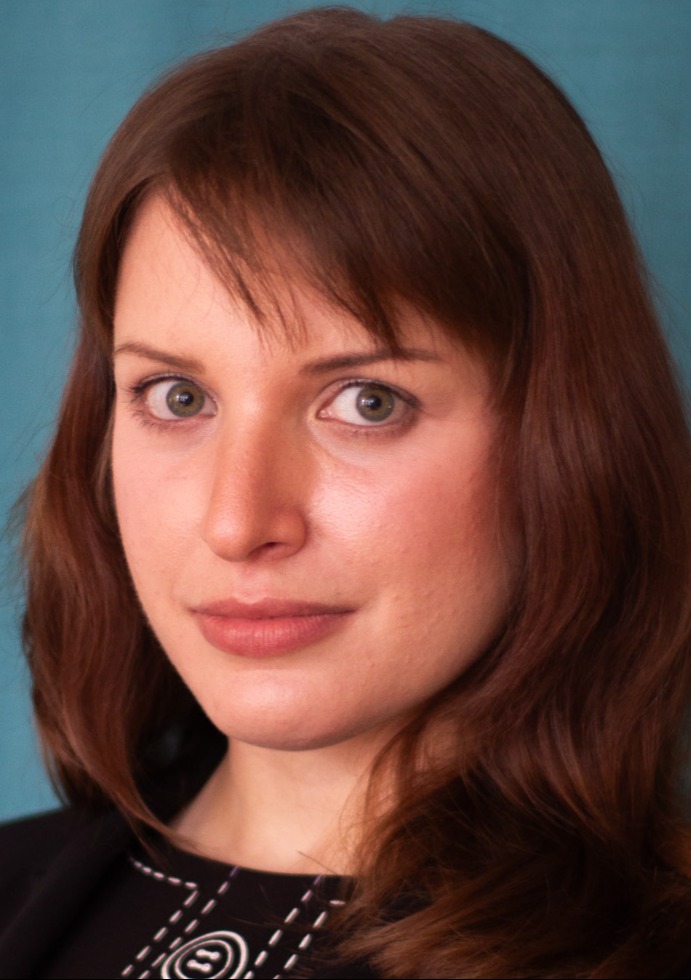
Anne Marie Tamburro
Society of Professional Journalists
Anne Marie Tamburro is a media law attorney whose work focuses on press freedom and government transparency. She brings broad experience across nonprofit, private, and academic settings and has advised clients on matters ranging from First Amendment rights and access to information to intellectual property and commercial litigation.Before joining SPJ, Anne Marie spent three years at the Foundation for Individual Rights and Expression, where she trained student journalists and media educators on media law and advocated for robust protections for student media across the country. Her commitment to press freedom began during her own time as a student journalist, where firsthand experience navigating editorial challenges sparked a lasting interest in media law and government accountability. Anne Marie is admitted to the Pennsylvania bar and lives in Philadelphia, PA.
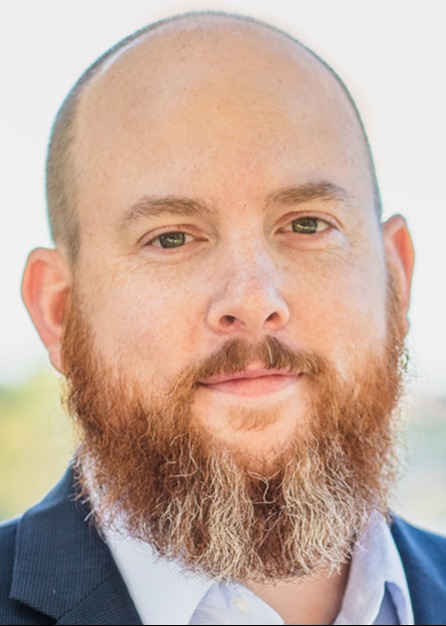
Brian Thompson
Relativity
Brian Thompson is the Director of Practice Empowerment for the Public Sector at Relativity, where he helps government agencies responsibly apply AI and modern technology to legal, compliance, and regulatory workflows, including FOIA. Prior to joining Relativity, Brian spent over 15 years at the U.S. Environmental Protection Agency, where he led cross-functional technology initiatives spanning e-discovery, cybersecurity, and data governance. From 2018 to 2023, he led the federal shared service FOIAonline, overseeing platform operations and performance for dozens of agencies and managing millions of requests. His deep, practical experience inside government equips him to guide agencies through the real-world challenges of integrating AI and technology into sensitive, data-intensive processes.
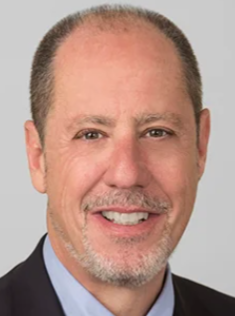
Chuck Tobin
Ballard Spahr
Chuck Tobin, a partner with Ballard Spahr LLP based in Washington, D.C., has spent more than 35 years defending the news media in courts around the country. He and his colleagues litigated to unseal thousands of hours of sealed January 6 riot videos and to secure seats for journalists in the courtrooms during the J6 prosecutions in Florida and D.C. He also represented pro bono an injured police officer who testified before the House Select Committee to Investigate the January 6 Attack. More recently, Chuck has represented the Associated Press in suing the White House for ejecting its journalists from the press pool after the AP adhered to the geographic reference “Gulf of Mexico” following President Trump’s pressure to adopt the name “Gulf of America”. A former journalist in Florida, Chuck has chaired the media law committees of the D.C. and Florida bars, the ABA’s Forum on Communications law, and the Defense Counsel Section of the Media Law Resource Center.
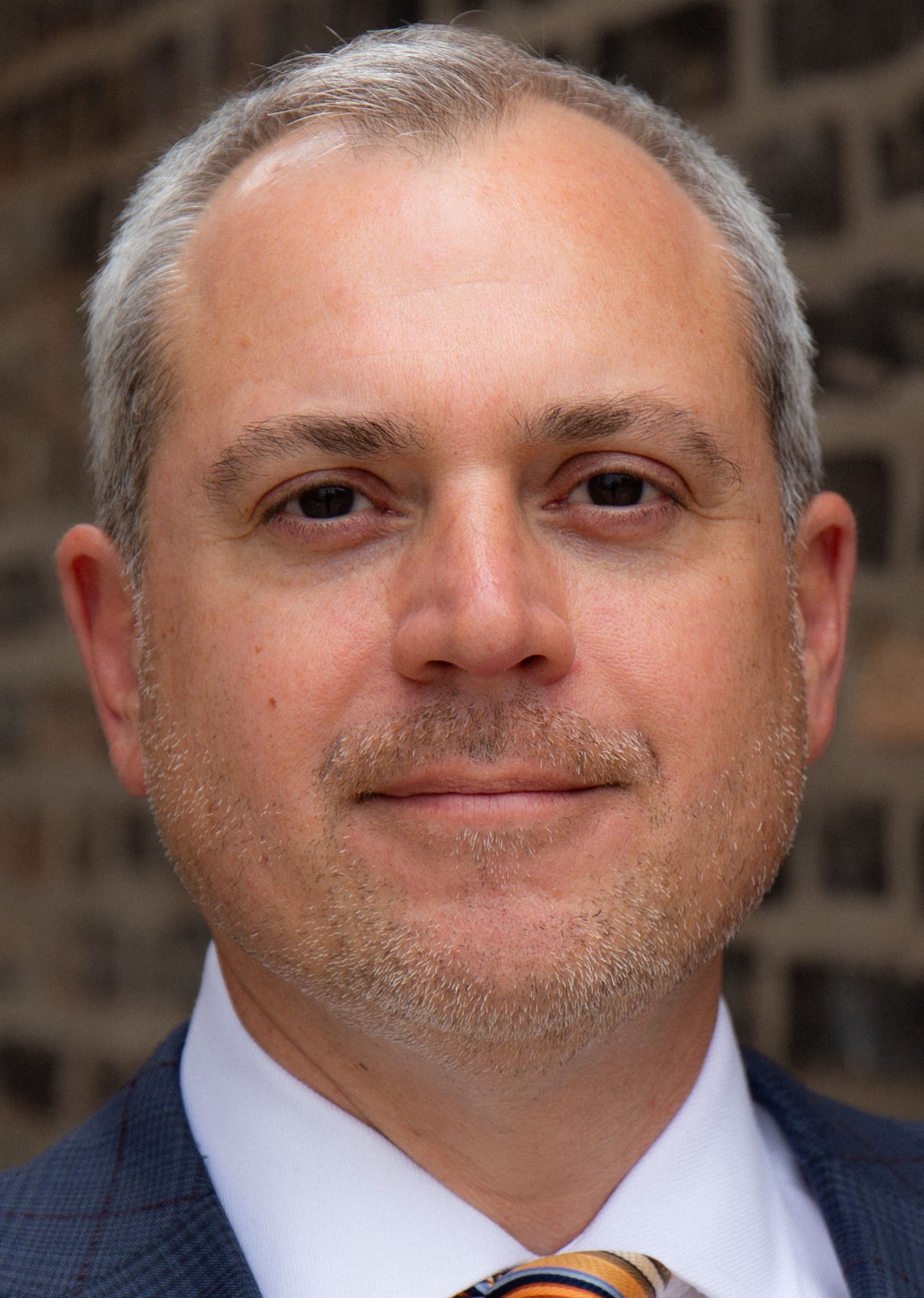
Matt Topic
Loevy & Loevy
Matt Topic is a partner at Loevy + Loevy, where he leads the firm’s media, intellectual property, and government transparency practices. Matt has litigated hundreds of state and federal open records cases, including the case that exposed the murder of Laquan McDonald by Chicago police officer Jason Van Dyke, records that helped to exonerate an innocent man, and video exposing war crimes as highlighted in the Pulitzer-winning In the Dark podcast. Matt is also the co-host, with Jason Leopold, of the Disclosure podcast.
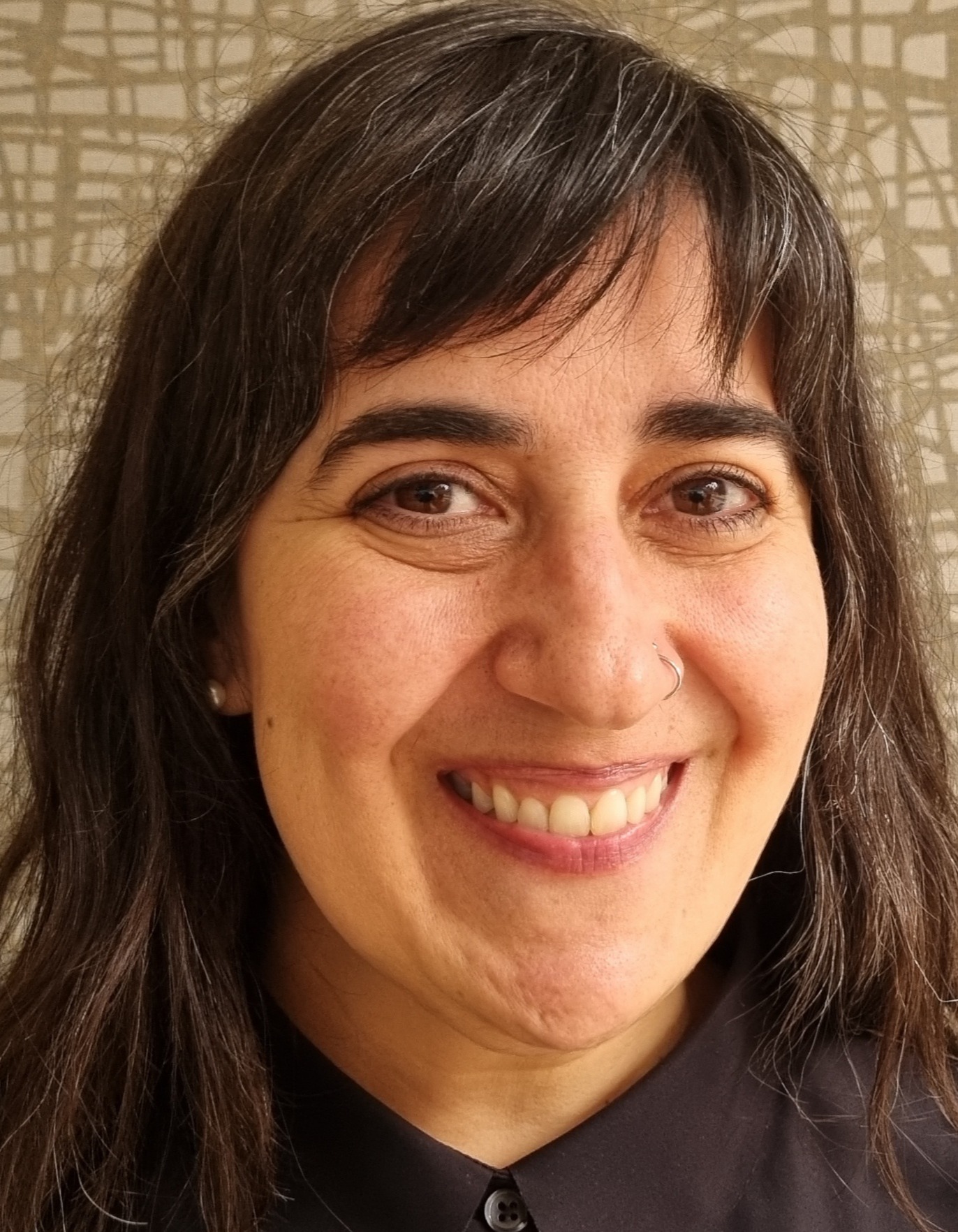
Mago Torres
Investigative journalist
Mago Torres is a trainer, investigative journalist and editor working at the intersection of research and data. As an investigative data editor she has worked on award-winning long-form investigations and developed programs that support collaborations, data-driven stories, and investigative journalism in the US and internationally. She has worked for The Examination, Open News, the Latin American Center for Investigative Journalism (CLIP), the Data-Driven Reporting Project (DDRP) at Northwestern University, and the International Consortium of Investigative Journalists (ICIJ).
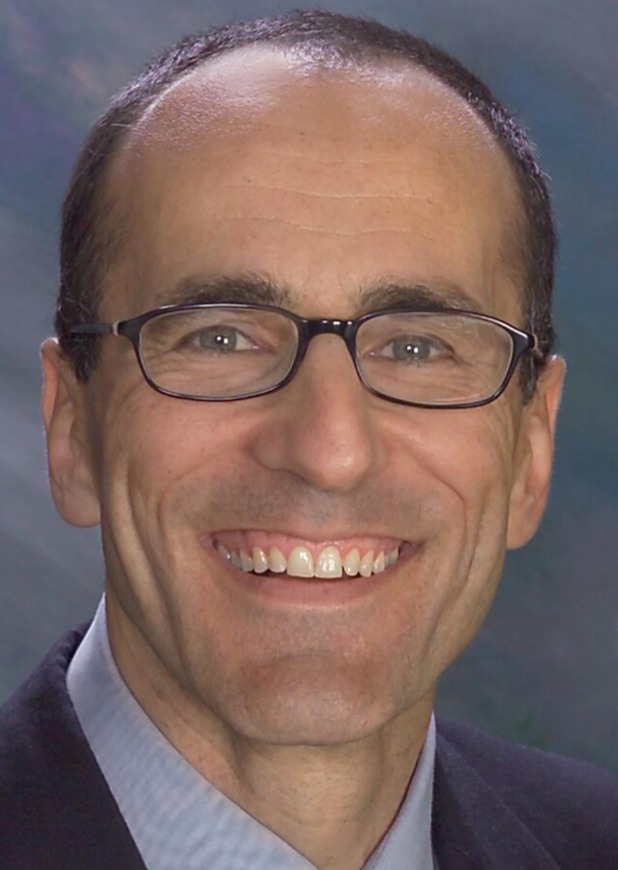
Richard Varn
Coalition for Sensible Public Records Access
Richard Varn is executive director of the Coalition for Sensible Public Records Access. As CEO of RJV Consulting, Varn has provided IT, policy, and association management services to a variety of customers for 39 years. His company serves public and private sector clients in the areas of AI, venture investing, business development, privacy, security, business strategy, innovation, education, assessment, and public policy. He has served as a CIO/CTO at the city, state, federal, and university levels. He was a Technology Policy Advisor to the National Retail Federation for 13 years and has been the executive director of the CSPRA for the last 20 years. From 2003-2007 he was a Senior Fellow with the Center for Digital Government and Education. Mr. Varn has been a longtime advisor to the LearnLaunch Institute acting as a Venture Partner on two LL funds since 2018. In 2020 he completed 19 years of work at Educational Testing Service (ETS) serving 10 years as a member of the ETS Board of Trustees and then worked 9 years as a Distinguished Presidential Appointee. At ETS he directed the Center for Advanced Technology and Neuroscience and led efforts in AI, data, workforce, disaster management, corporate development, venture investing, innovation, and many other areas. Varn’s first career was in Iowa public service. He won elected office in 1982 at the age of 24 and served as a State Representative for four years and as a State Senator for eight years. He was twice elected Majority Whip and chaired numerous committees including the Education Appropriations, Communications and Information Policy, Human Services Appropriations, and Judiciary Committees. He also served as CIO for the nation’s 7th largest city—San Antonio, Texas—where he currently resides.
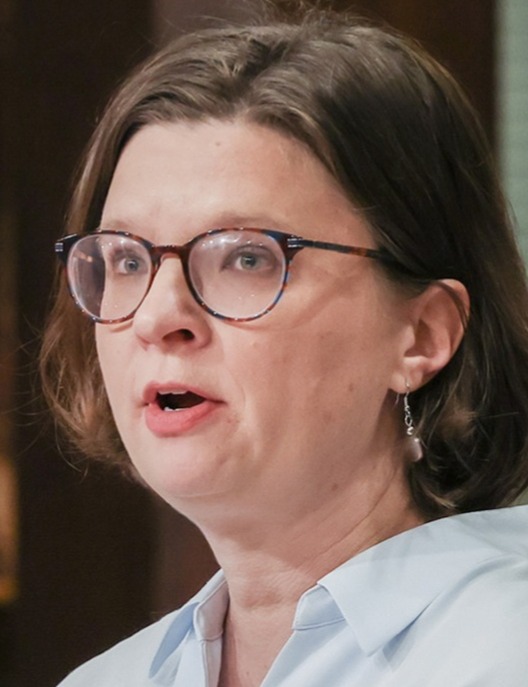
Liz Wagenseller
Pennsylvania Office of Open Records
Liz Wagenseller is the Executive Director of the Pennsylvania Office of Open Records (OOR). She leads all aspects of the independent, quasi-judicial agency that decides appeals of denied requests for records under the Right-to-Know Law (RTKL). The RTKL works to provide fair and legal access to local and state government records. Before coming to the OOR, Liz was actively involved in promoting government accountability, serving as Chief of Staff in the Pennsylvania Department of the Auditor General.
Sheryl Walter
Retired
Over nearly four decades in Washington, D.C., Sheryl Walter served as general counsel for the U.S. federal courts, acting assistant attorney general, and chief counsel to Senators Moynihan, Specter, and then-Senator Biden. She served at the State Department as its Director of State’s Information Program services, where she oversaw the Department’s worldwide FOIA and Privacy Act operations. She also served as general counsel for the National Security Archive for several years, during which time she was named to the FOIA Hall of Fame. Walter earned a J.D. degree with honors from the University of Minnesota, an M.P.A. from the Harvard Kennedy School, and a B.A. with honors in history from Grinnell College, and currently serves on Grinnell’s board of trustees.
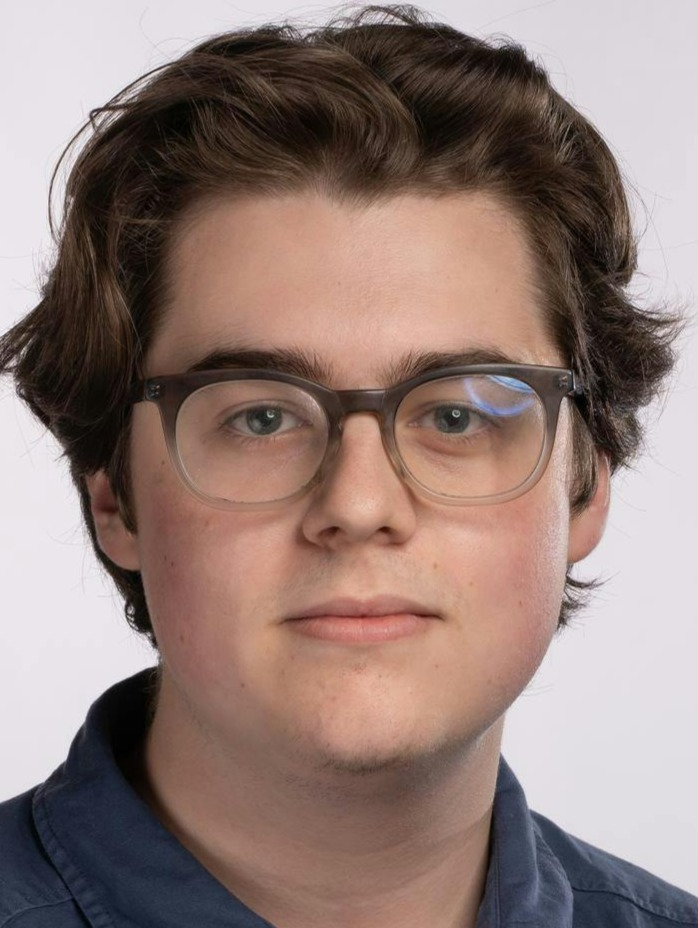
Alex Walters
The State News, Michigan State University
Alex Walters is a senior majoring in journalism at Michigan State University, using public records extensively in his four years for the campus paper, The State News. He and his colleagues, Theo Scheer and Owen McCarthy, were honored last year with the college Student Freedom of Information Award by the Student Press Law Center and Brechner FOI Project for their records-based reporting, suing their own university for records (and winning), and creating an online tool to help their fellow students request records from the university. They filed hundreds of public records requests to explore issues ranging from campus surveillance practices, sexual assault by campus physician Larry Nassar and faculty, hate crimes and internal communications between administrators and board members. They also were honored by the Society of Professional Journalists with the annual Pulliam First Amendment Award, which comes with a $10,000 prize. They were the first college journalists to receive the award – typical winners include the Boston Globe, Associated Press, Miami Herald and other major news organizations. Walters plans on launching his career post-May graduation as an investigative reporter.
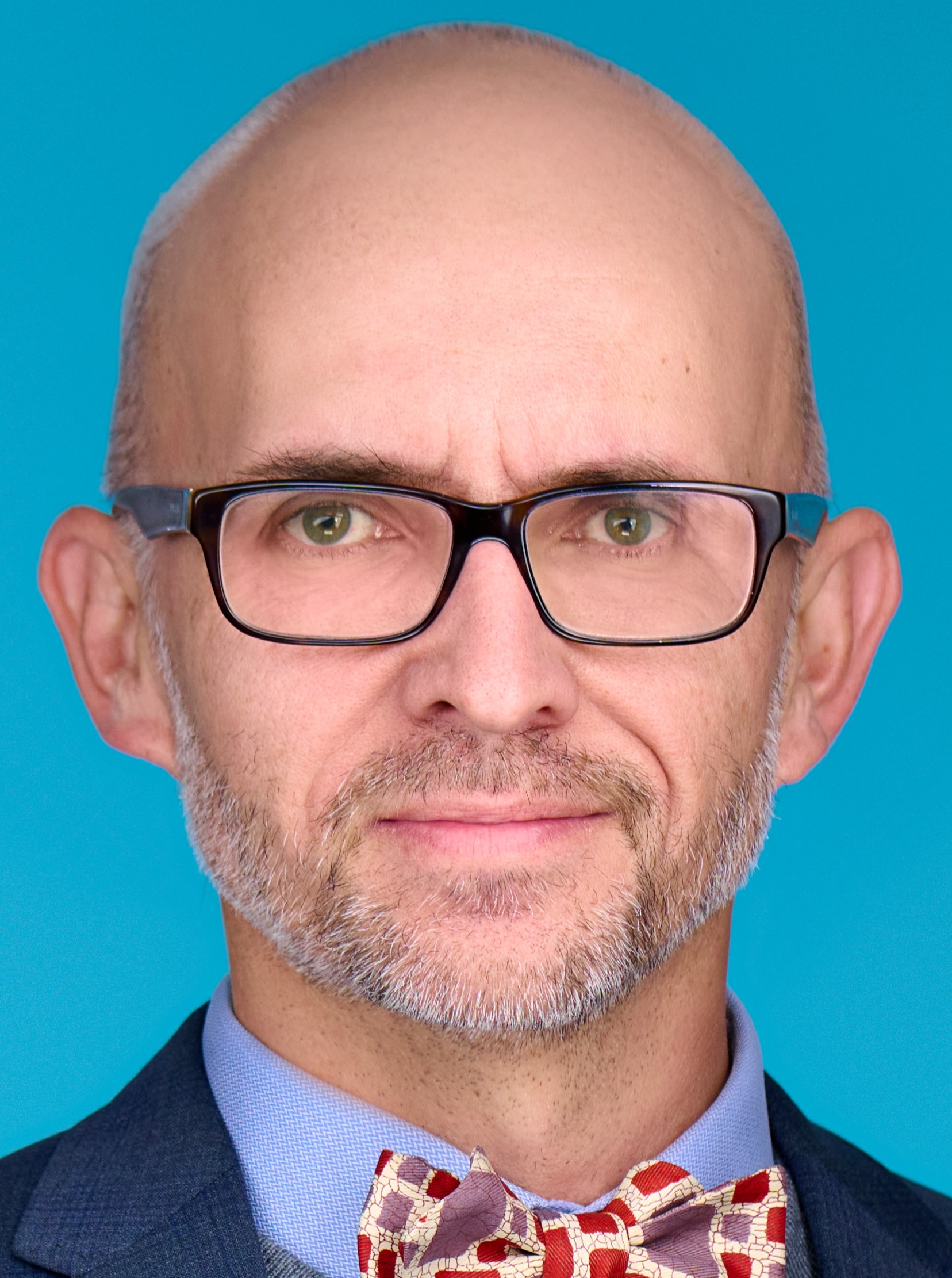
Ethan Watson
City of Albuquerque
Ethan Watsonis an Albuquerque native who joined the city in 2018 as the Deputy City Clerk where he centralized and streamlined the city’s process for handling requests for public records under the Inspection of Public Records Act. In 2020, Watson was confirmed by the City Council as the City Clerk where he continues to improve the city’s IPRA response process, use data and analytics to drive digitization and publication of public records, and assist city departments with records retention issues. Prior to joining the Clerk’s Office, Watson worked in private practice where he represented state entities, counties, and school districts in various types of litigation including IPRA. Watson received his BA in Latin American Studies and Music from Emory University in 2006 and his J.D. from the University of New Mexico School of Law in 2011.
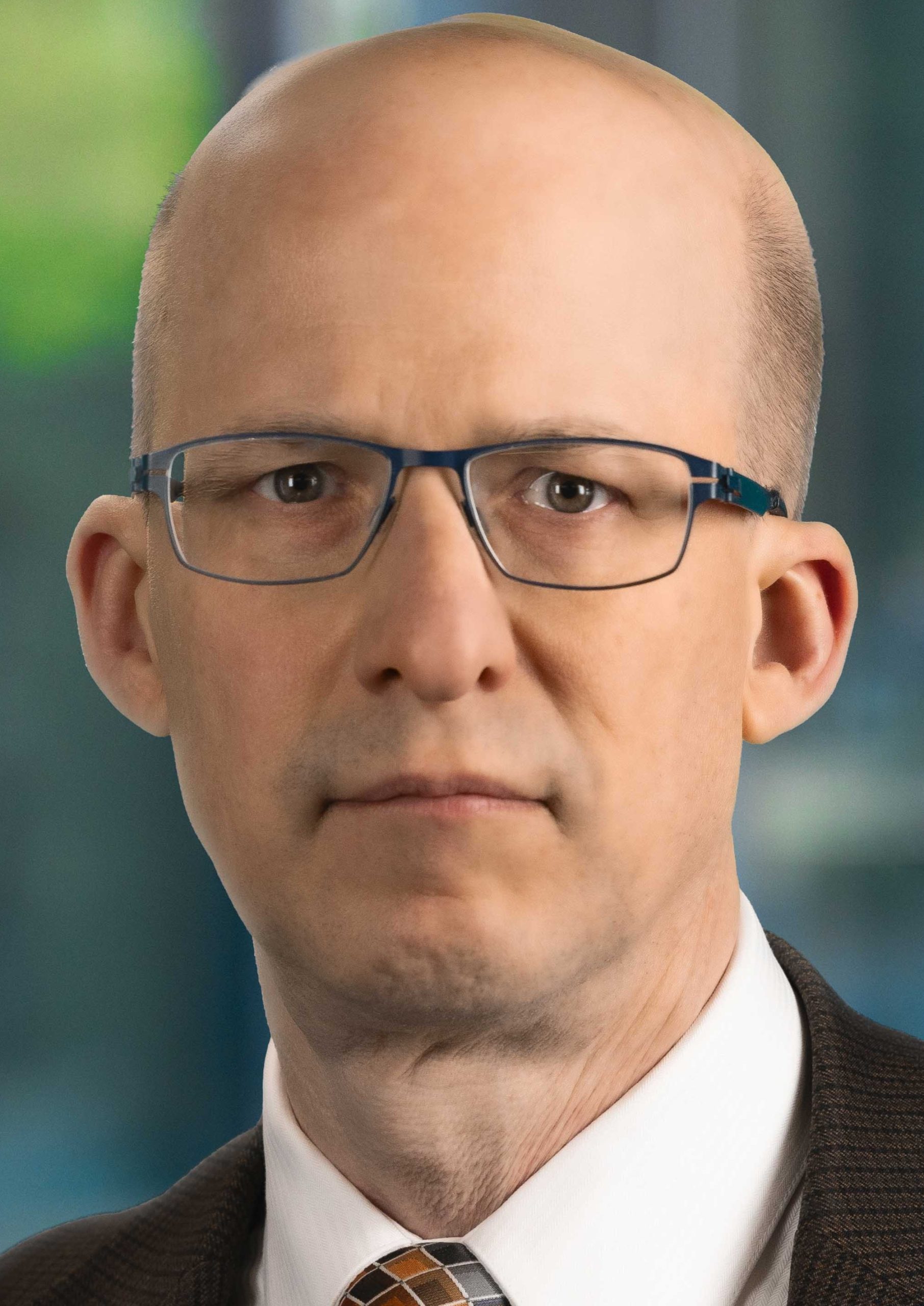
Eliot Wilczek
MITRE Corporation
Eliot Wilczek is a data management engineer at the MITRE Corporation where his work focuses on records and data management and disclosure. He previously worked as an archivist and records manager at Tufts University, Brandeis University, and Bowdoin College. He has a Ph.D. in library and information science from Simmons University.
Megan Wyatt
The Advocate (Louisiana)
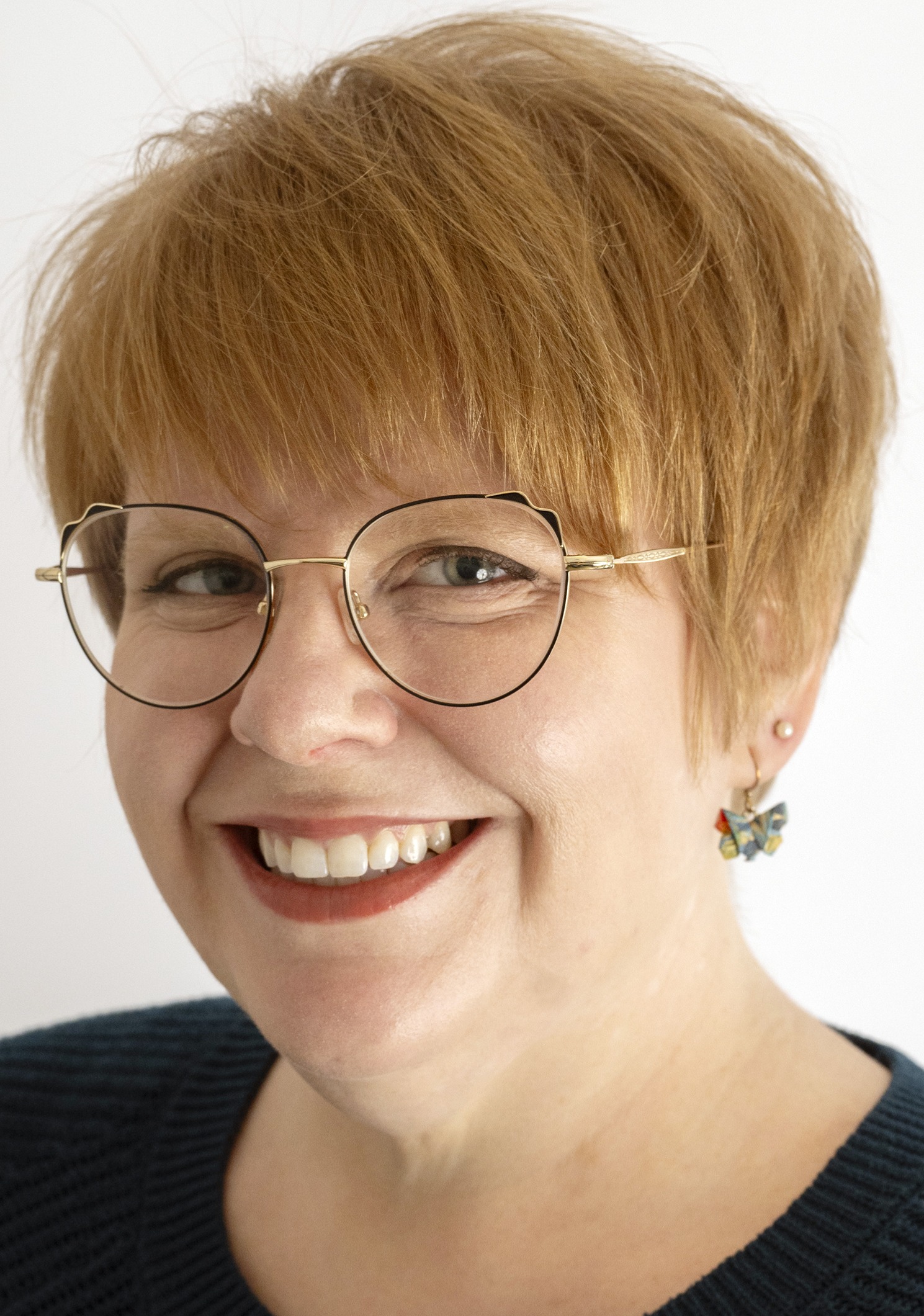
Megan Wyatt is an investigative journalist at The Advocate, Louisiana’s largest daily newspaper, where she regularly uses public records to tell the untold stories of communities that aren’t often in the national spotlight. She’s spent her career working for daily newspapers in her home state, covering everything from local government and higher education to breaking news and features. Her award-winning investigative work has uncovered corruption carried out by those in authority and has led to meaningful changes in the communities she serves. When she’s not poring over documents with a coffee in hand, Megan can be found teaching dance lessons, trying new recipes or befriending cats while traveling.
Cori Zarek
Apolitical, Inc.
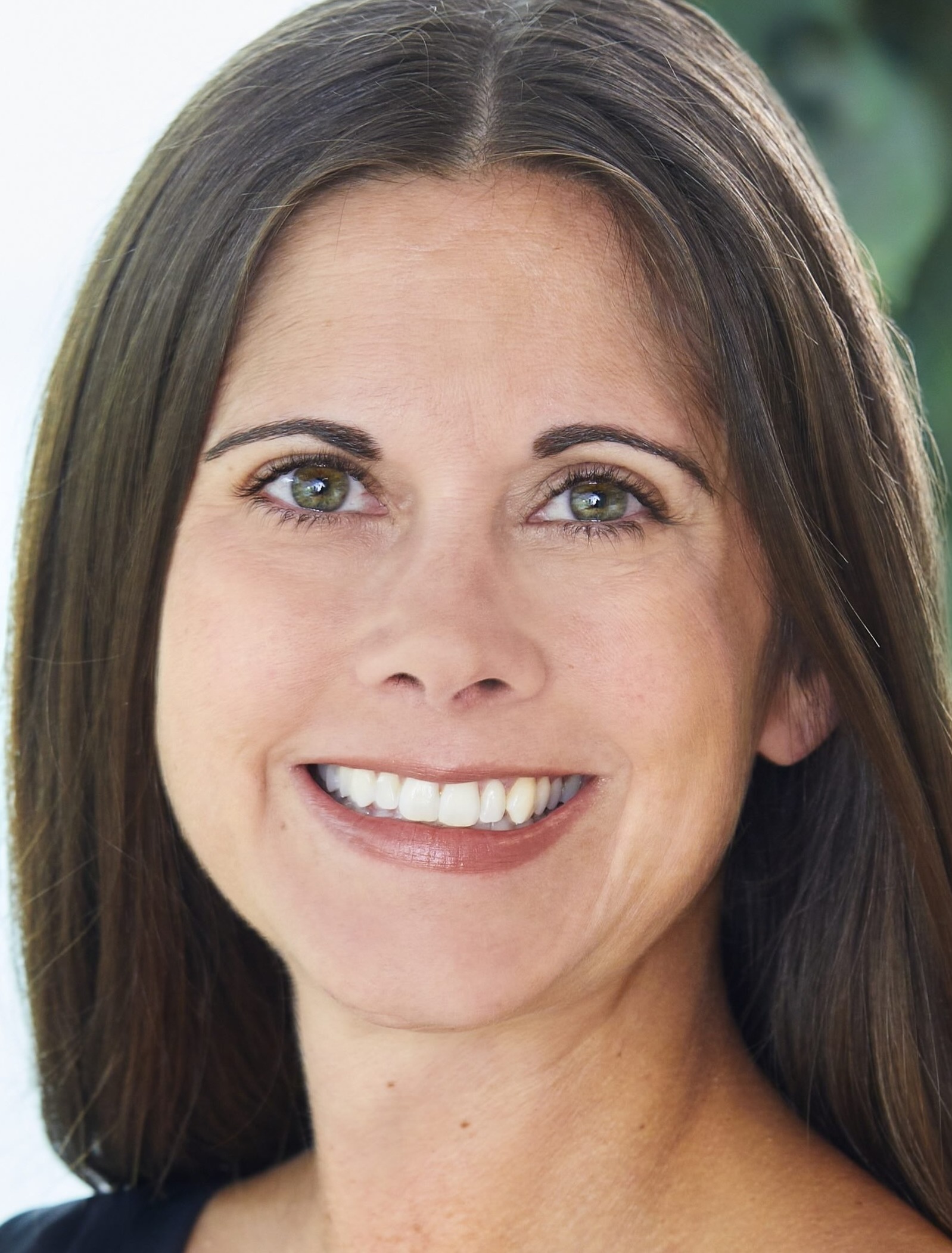
Cori Zarek is a lawyer, technologist, and civic entrepreneur with a background in FOIA law, policy and advocacy, and expertise in open data and digital government. Cori recently joined Apolitical, the world’s largest network of public servants, to expand its models of learning and communities of practice to North America. Previously, Cori served as Deputy Administrator of the U.S. Digital Service and before that, as Deputy U.S. Chief Technology Officer, where she led U.S. participation in the Open Government Partnership, the 70+ country consortium working to improve transparency, public participation, and accountability. Cori is on the faculty at Georgetown University and previously served as Executive Director of Georgetown’s Beeck Center for Social Impact + Innovation. Earlier, she was the Freedom of Information Director at the Reporters Committee for Freedom of the Press, held a fellowship researching open source software in government with the Mozilla Foundation, and advised Code for America. In recent years, Cori co-founded civic tech organizations including U.S. Digital Response, Technologists for the Public Good, and the Judicial Innovation Fellowship. Cori is on the advisory council for the International Center for Not-for-Profit Law and was a 2016 inductee in the National Freedom of Information Act Hall of Fame. She is based in Washington, D.C.